
Thailand’s political Landscape: Clarification on Dissolution Powers Amid Government formation
The current political situation in Thailand is generating considerable discussion,notably regarding the potential for parliamentary dissolution should the Pheu thai Party encounter difficulties in establishing a new government. Recent clarification from the Council of State addresses the limitations of the current caretaker management’s authority, offering crucial insight into the process.
Here’s a breakdown of the key developments and what they mean for you:
Dissolution Authority: A Constitutional Matter
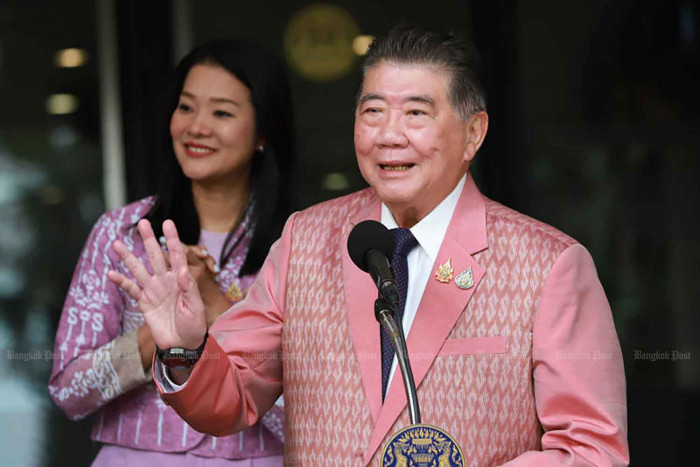
According to Pakorn Nilpraphun, Secretary-General of the Council of State, only a fully appointed Prime Minister possesses the constitutional power to dissolve the House of representatives. An acting prime minister, like the current caretaker, Phumtham Wechayachai, operates under a restricted mandate.
It’s vital to understand that while administrative duties can continue, decisions with long-term implications must be deferred to the incoming, fully-formed government. This distinction is vital to ensure a smooth transition and respect the democratic process.
Recent Cabinet Meeting: Focus on Transition, Not Dissolution
A special cabinet meeting convened on Saturday, but dissolution was not on the agenda. PM’s Office Minister Chousak Sirinil confirmed the focus remained on appointing officials to key positions following the Constitutional Court’s recent decision regarding Paetongtarn Shinawatra.Essentially, the priority is establishing a functioning interim administration while the process of government formation continues. dissolution will only be considered as a last resort if forming a coalition proves unfeasible.
Key Appointments & Continuity
Several key personnel changes and confirmations were made:
Phumtham Wechayachai remains as caretaker prime Minister.
Dr. Prommin Lertsuridej will continue serving as Secretary-General to the Prime Minister.
The caretaker cabinet will concentrate on urgent matters, avoiding any decisions that could unduly bind the future administration.
National Security & Border Issues
Deputy Defence Minister Gen Nattaphon Narkphanit reassured the public that national security remains stable. The ministry of Defence has proactively delegated operational authority to ensure continued protection.
Regarding the Thai-Cambodian border issue,further appointments are anticipated on Sunday. These appointments will address ongoing concerns and maintain stability in the region.Impact of Paetongtarn Shinawatra’s Removal
The Constitutional Court’s decision to remove Paetongtarn Shinawatra from consideration has triggered a cascade of changes. Political appointees, including ministerial advisors and assistants, have automatically relinquished their positions. This restructuring is a necesary step in ensuring a clean transition.
Cabinet Attendance & Leave Requests
Notably, seven acting ministers were absent from Saturday’s cabinet meeting due to previously submitted leave requests. These included ministers from Education, Agriculture and Cooperatives, Public Health, Commerce, and Finance, as well as deputies from those ministries.
Looking Ahead
the situation remains fluid, but the Council of State’s clarification provides a crucial understanding of the limitations facing the caretaker government.You can expect continued efforts to form a stable coalition, with dissolution remaining a potential, but unlikely, outcome if those efforts fail.
This is a developing story, and we will continue to provide updates as they become available.
![Vision Art: Nature & London’s Soho Exhibition | [Platform Name]](https://i0.wp.com/idsb.tmgrup.com.tr/ly/uploads/images/2025/08/31/thumbs/1200x675/399048.jpg?resize=150%2C150&ssl=1 "Vision Art: Nature & London’s Soho Exhibition | [Platform Name]")


