Thailand-Cambodia Border Conflict: Navigating a Fragile Ceasefire & Political Turmoil
Recent escalations along teh Thailand-Cambodia border are raising serious concerns, even as attempts at diplomatic resolution unfold. Despite a reported ceasefire brokered by the United States, fighting continues, fueled by a complex history of territorial disputes and now, internal Thai political instability. Understanding the nuances of this situation – from the historical context to the current political maneuvering – is crucial.
A History of Disputed Territory & Renewed Clashes
For decades, the area surrounding the Preah Vihear Temple has been a flashpoint. This ancient Khmer temple,situated on a cliff overlooking both countries,was awarded to Cambodia by the International Court of Justice in 1962. however, Thailand disputes the demarcation of the surrounding territory, leading to intermittent clashes. Recent aerial strikes, just hours after the announced ceasefire, demonstrate the fragility of the situation. This ongoing border dispute isn’t simply about land; it’s deeply intertwined with national identity and historical grievances.
Thailand’s Prime Minister Anutin Charnvirakul’s recent decision to dissolve parliament adds another layer of complexity. This move, intended to resolve a political deadlock, has instead created further uncertainty. The dissolution came amidst growing public frustration and a stalled coalition government formation. This internal political crisis directly impacts the ability to effectively negotiate and maintain a lasting peace with Cambodia. are you concerned about the implications of this political instability on regional security?
Understanding the Key Players:
* Thailand: Led by Prime Minister Anutin Charnvirakul, navigating a complex political landscape.
* Cambodia: Asserting its sovereignty over the Preah Vihear Temple and surrounding areas.
* United States: Attempting to mediate and enforce a ceasefire agreement.
* ASEAN (Association of Southeast Asian Nations): Playing a role in regional diplomacy and conflict resolution.
Recent Developments (as of December 13,2025):
* Continued aerial strikes despite the announced ceasefire.
* Dissolution of the Thai parliament, triggering new elections.
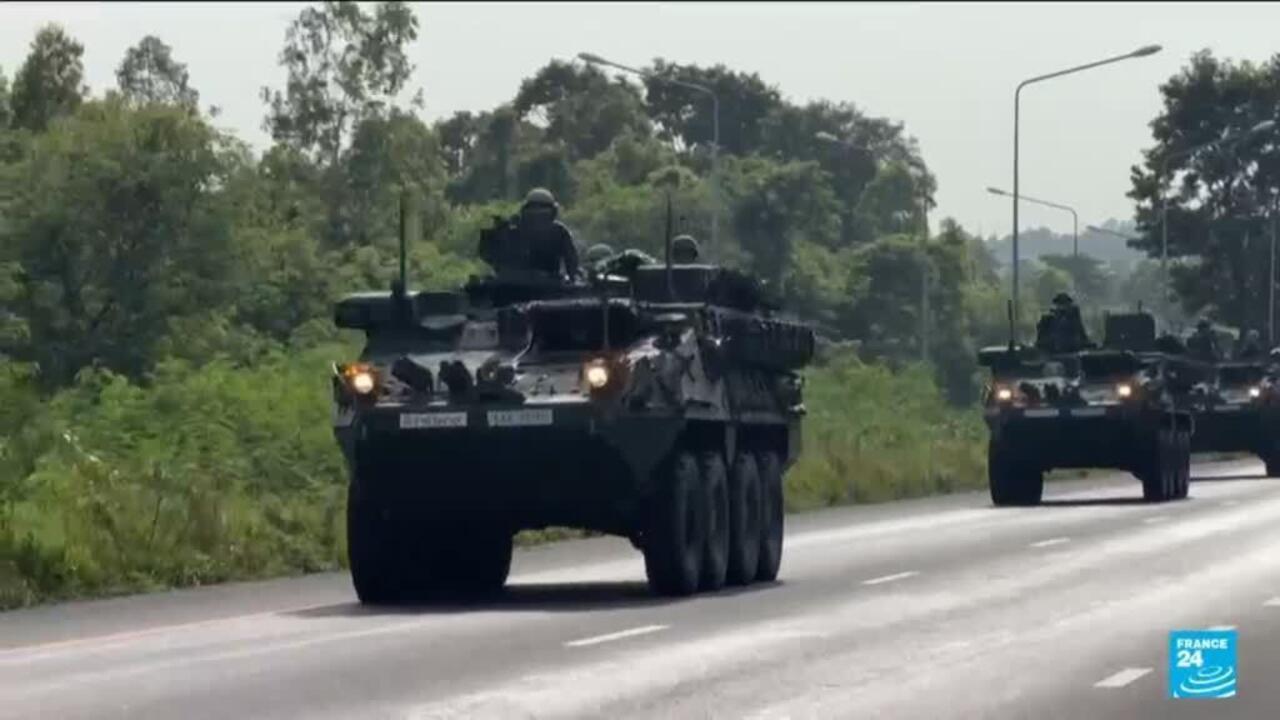
* Increased military presence along the border from both sides.
* Diplomatic efforts ongoing, but hampered by political uncertainty.
Related Searches: Thailand Cambodia border conflict history, Preah Vihear Temple dispute, Thai political crisis 2025, Southeast Asia security concerns, Cambodia Thailand relations.
Practical Considerations for Travelers: If you have travel plans to either Thailand or Cambodia, particularly near the border region, it’s vital to stay informed.Check your government’s travel advisories (https://travel.state.gov/ for US citizens, for example) and consider postponing non-essential travel.
Actionable Advice: Monitor news from reputable sources like Reuters and the associated Press for up-to-date information. Be aware of potential disruptions to transportation and services.
The Path Forward: Diplomacy & Domestic Stability
A lasting resolution requires a two-pronged approach. First, sustained diplomatic efforts are needed to address the underlying territorial dispute. this includes potentially revisiting the 1962 ICJ ruling and establishing a clear, mutually agreed-upon border demarcation. Second, Thailand must resolve its internal political crisis to create a stable government capable of engaging in meaningful negotiations. A strong, unified government is essential for de-escalating tensions and building trust with Cambodia.
What can be done?
- Renewed Dialogue: Facilitate direct talks between Thai and Cambodian leaders.
- International Mediation: Leverage the influence of the US and ASEAN to mediate the dispute.
- confidence-Building Measures: Implement joint patrols and communication channels to prevent future clashes.
- Economic Cooperation: Foster economic ties to create shared interests and reduce tensions.
Evergreen Insights: The Importance of Regional Cooperation
The Thailand-Cambodia border conflict serves as a stark reminder of the importance of regional cooperation in Southeast Asia. Historical