
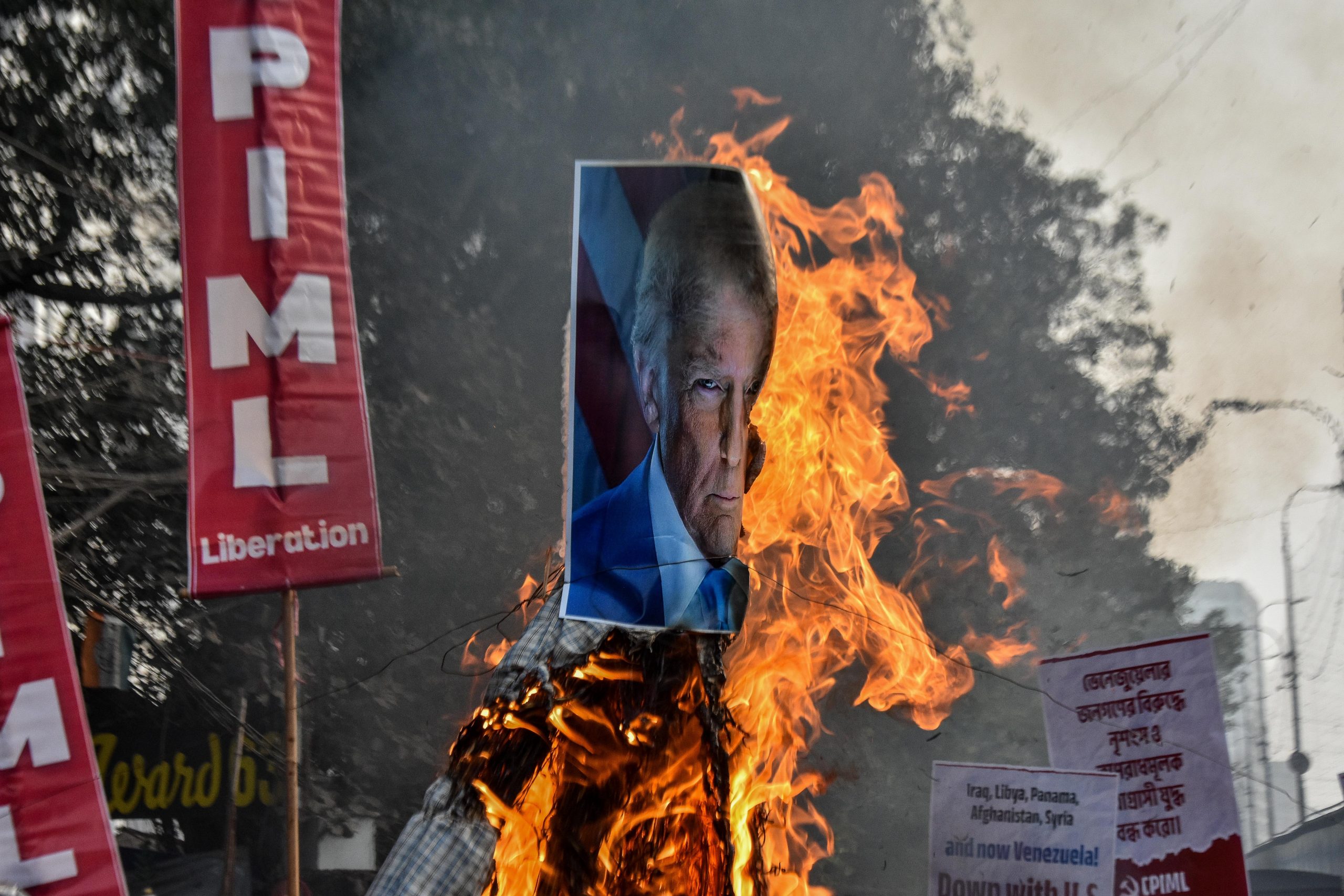
The Shifting sands of Latin America: Understanding the US Role in venezuela
The situation in Venezuela is rapidly evolving, and its implications for the Americas are profound. Recent US involvement has sparked a complex crisis with deep historical roots,demanding a closer look at the unfolding events and their potential consequences. This analysis will delve into the current fallout, the historical context, and the emerging US policy direction in the region.
A Nation at a Crossroads
Ricardo Vaz, a journalist reporting from the ground in Venezuela, recently shared critical insights into the escalating tensions. His observations underscore the urgency of understanding the human impact and geopolitical ramifications of the US intervention. It’s a situation fraught with challenges, and a nuanced perspective is essential.
The Current Crisis: A Look at the Fallout
The US intervention in Venezuela has triggered a cascade of consequences. These include:
* Political Instability: The intervention has exacerbated existing political divisions within Venezuela, creating a power vacuum and fueling unrest.
* Humanitarian Concerns: The conflict has led to a worsening humanitarian crisis, with shortages of food, medicine, and essential supplies.
* Regional Implications: The situation threatens to destabilize the wider Latin American region, potentially drawing in other nations.
* Economic Disruption: Venezuela’s oil production, already struggling, faces further disruption, impacting global energy markets.
You need to understand that these are not isolated incidents. They are interconnected elements of a larger crisis with far-reaching effects.
A History of Intervention: Echoes of the Past
The current events in Venezuela aren’t happening in a vacuum.They are part of a long history of US intervention in Latin America,particularly throughout the 20th century.
Consider these historical parallels:
* The Monroe doctrine: Originally proclaimed in 1823, this policy asserted US dominance in the Western Hemisphere.
* Central America in the 1980s: The US supported authoritarian regimes and armed conflicts in countries like El Salvador and Nicaragua, often with devastating consequences.
* Regime Change Operations: Throughout the region,the US has a history of intervening in the internal affairs of nations,often to protect its economic and strategic interests.
Understanding this history is crucial to interpreting the present situation. It reveals patterns of behaviour and highlights the potential for unintended consequences.
Trump’s “Monroe 2.0”: A New Doctrine?
Former President Trump articulated a new approach to Latin America, often referred to as his “Donroe Doctrine.” This policy signaled a more assertive US stance in the region, prioritizing perceived national security interests and challenging governments deemed hostile.
Key elements of this approach included:
* Increased Military Presence: A greater emphasis on military aid and cooperation with regional allies.
* Economic Pressure: The use of sanctions and other economic tools to influence government behavior.
* Support for opposition Groups: Direct or indirect support for opposition movements seeking to overthrow existing regimes.
This shift in policy represents a significant departure from previous US approaches and raises concerns about the future of US-Latin American relations.
Staying Informed: Reliable Sources of details
It’s vital to rely on credible sources of information when navigating this complex situation. Independent, on-the-ground reporting is particularly valuable. Look for organizations that prioritize accuracy, impartiality, and a commitment to journalistic ethics.
Consider exploring resources that offer in-depth analysis and diverse perspectives. This will help you form your own informed opinion.
Looking Ahead: What’s at Stake?
The future of Venezuela, and indeed the entire Latin American region, hangs in the balance. The US role will be pivotal in shaping the outcome.
Here are some critical questions to consider:
* Will the US pursue a policy of dialog and diplomacy, or will it continue to escalate tensions?
* How will the humanitarian crisis be addressed?
* What will be the long-term impact of the intervention on Venezuela’s political and economic stability?
* Will this intervention set a precedent for future US involvement in the region?
These are


