
the Rising Threat of Weight Loss Drugs to the Alcohol Industry
Published: 2026/01/23 17:28:29
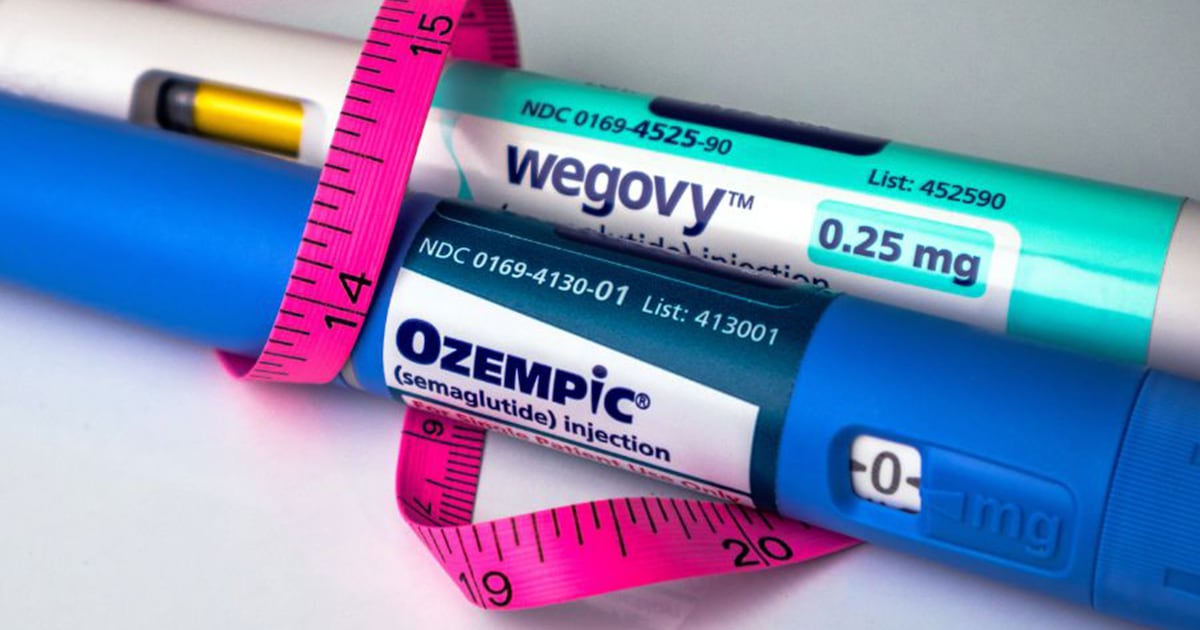
The booming popularity of weight loss drugs,especially GLP-1 receptor agonists like Ozempic,Wegovy,and Mounjaro,is sending ripples through various industries. While healthcare and fashion are experiencing significant shifts, a less-discussed consequence is the potential disruption to the alcohol industry.Emerging data suggests a correlation between the use of these medications and reduced alcohol consumption, raising concerns about the future of beverage sales, particularly in markets like the United States.
How Weight Loss Drugs Impact Alcohol Consumption
GLP-1 agonists work by mimicking a natural hormone that regulates appetite and blood sugar. They lead to reduced cravings, slower stomach emptying, and ultimately, weight loss. However, a growing body of research indicates these drugs also affect the brain’s reward system, specifically impacting the pleasurable effects of alcohol.
Studies have shown that individuals taking GLP-1 agonists report decreased enjoyment of alcoholic beverages and a diminished desire to drink. This isn’t simply a matter of reduced caloric intake; the drugs appear to alter the neurochemical pathways associated wiht alcohol’s rewarding properties. [National Library of Medicine] This effect is particularly concerning for the alcohol industry, as it targets the core motivation for consumption – pleasure.
the Science Behind the Shift
The link between GLP-1 agonists and reduced alcohol consumption is believed to stem from the drugs’ impact on dopamine signaling in the brain. alcohol triggers dopamine release, creating a feeling of reward. GLP-1 agonists appear to modulate this dopamine response, lessening the pleasurable sensation associated with drinking.Furthermore, the reduced cravings and altered metabolism induced by these medications contribute to a decreased overall desire for alcohol.
Implications for the Alcohol Industry
The U.S. alcohol industry, already facing challenges like shifting consumer preferences and increasing health consciousness, could see a significant downturn if the trend continues.The industry has experienced stagnant growth in recent years,and a further reduction in consumption could severely impact revenue and market share.
Experts predict that the impact will be felt across various segments of the industry, including beer, wine, and spirits. [Forbes] Premium and craft beverage producers, which rely on consumers seeking experiences and indulgence, might potentially be particularly vulnerable.
Adapting to a Changing Landscape
To mitigate the potential damage, alcohol companies may need to adapt their strategies.This could involve:
- Focusing on non-alcoholic alternatives: Investing in and promoting high-quality non-alcoholic beers, wines, and spirits.
- Targeting different demographics: Shifting marketing efforts towards consumers less likely to be using weight loss medications.
- Emphasizing social experiences: Promoting alcohol consumption as part of a broader social experience rather than solely for its intoxicating effects.
- Innovation in product development: Exploring new beverage formulations with lower alcohol content or different flavour profiles.
Public Health Considerations
While the potential economic impact on the alcohol industry is significant, the public health implications of reduced alcohol consumption are largely positive. Excessive alcohol use is a leading cause of preventable death and disease worldwide. A decrease in alcohol consumption, even if driven by pharmaceutical intervention, could lead to improved health outcomes and reduced healthcare costs. [Centers for Disease Control and Prevention]
Looking Ahead
The long-term effects of weight loss drugs on the alcohol industry remain to be seen. As the use of these medications continues to rise,and as more research emerges on their impact on behavior,the industry will need to closely monitor the situation and adapt accordingly. The intersection of pharmaceutical innovation, consumer behavior, and economic forces is creating a complex and evolving landscape for the future of the beverage industry.
Key takeaways
- Weight loss drugs,particularly GLP-1 agonists,are linked to reduced alcohol consumption.
- This trend poses a potential threat to the alcohol industry, which is already facing challenges.
- The impact is likely due to alterations in the brain’s reward system and reduced cravings.
- Alcohol companies may need to adapt their strategies to mitigate the risks.
- Reduced alcohol consumption could have positive public health implications.




