
“`html
Long-Term Diabetes Linked to Cardiovascular Risk Through Red Blood Cell changes
Published: 2026/01/22 20:53:49
Teh risk of cardiovascular disease steadily increases with the duration of type 2 diabetes. Recent research from the Karolinska Institutet, published in the journal Diabetes, suggests that alterations in red blood cells may be a key factor in this escalating danger. The study also identifies a specific molecule, microRNA-210, with potential as a future biomarker for assessing cardiovascular risk in diabetic patients.
The Link Between Diabetes and Cardiovascular Disease
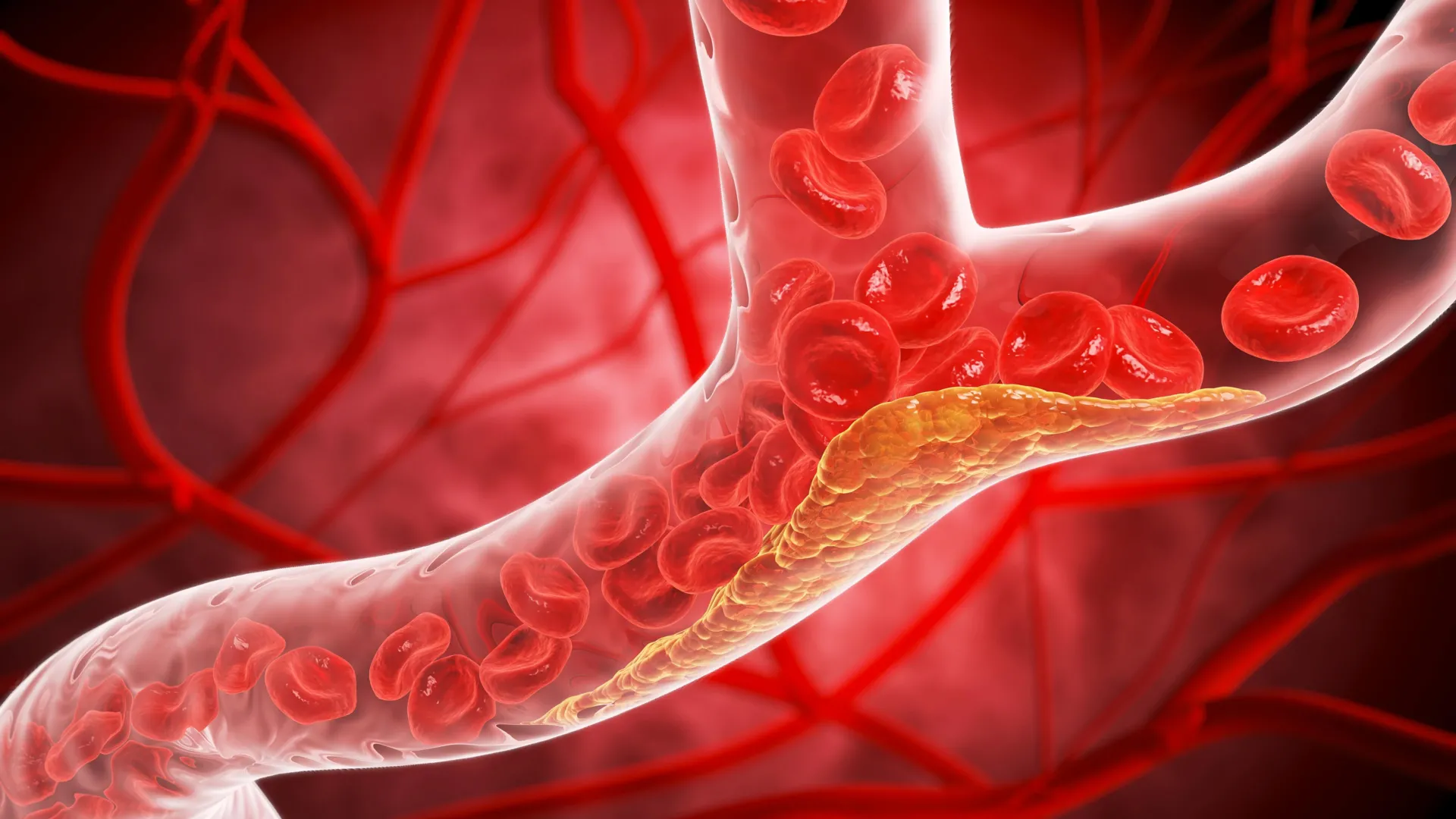
Individuals living with type 2 diabetes are at a considerably higher risk of experiencing heart attacks and strokes, and this risk grows with each year the disease persists. Previous research has established a connection between red blood cells and blood vessel function in the context of diabetes. This new study builds upon that knowledge, demonstrating that the length of time someone has diabetes strongly influences when and how thes changes in red blood cells occur.Over many years, these altered red blood cells can directly contribute to damage within blood vessels.
Evidence from Animal and human Studies
To investigate these effects, researchers conducted experiments using both animal models and human participants with type 2 diabetes. They found that red blood cells from mice and long-term diabetic patients disrupted normal blood vessel function. Notably, red blood cells from individuals newly diagnosed with diabetes showed no such detrimental impact. Though, a seven-year follow-up revealed that those same newly diagnosed patients developed red blood cells with similar damaging properties. Importantly, restoring levels of microRNA-210 within the red blood cells improved blood vessel function. This suggests a causal link between microRNA-210 levels and vascular health.
“Our study highlights that it’s not simply the presence of type 2 diabetes that matters,but rather how long someone has lived with the condition,” explains Zhichao Zhou,associate professor at the Department of Medicine,Solna,Karolinska Institutet,and lead author of the study. “Harmful effects on blood vessels from red blood





