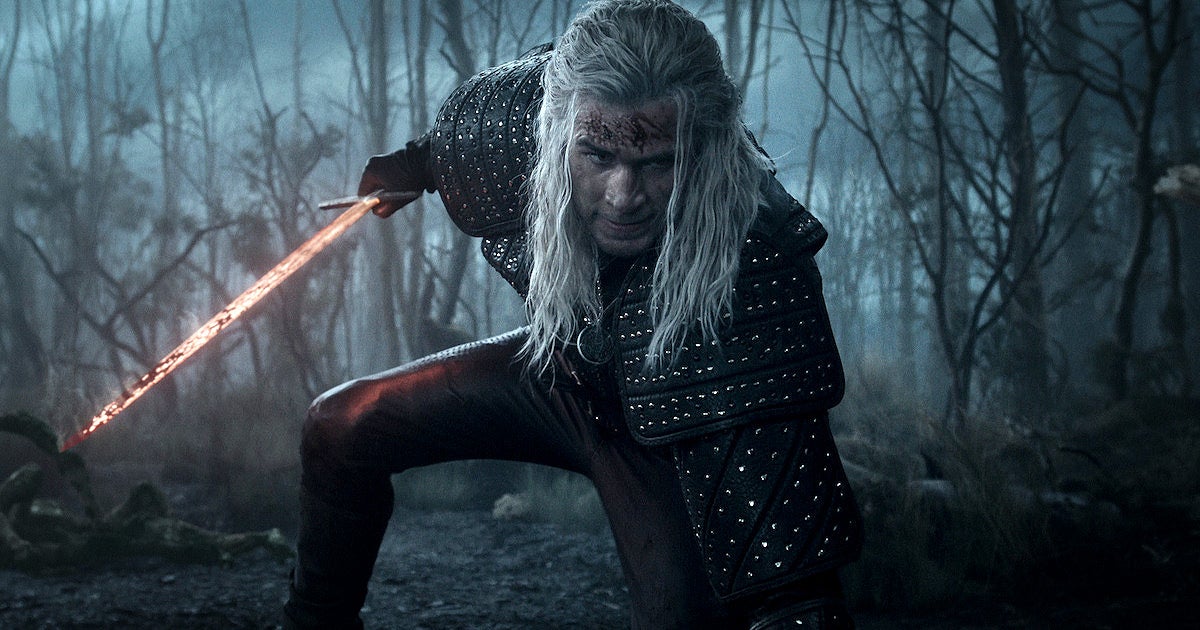
The highly anticipated fifth and final season of Netflix’s The Witcher is officially slated to premiere this year, continuing the epic fantasy saga that has captivated audiences worldwide. Following the conclusion of Season 4 in late October of last year, fans won’t have to wait long for the concluding chapter of Geralt‘s journey. As streaming landscapes evolve, understanding audience engagement with franchises like The Witcher is crucial for platforms like Netflix.
What to Expect in The Witcher Season 5
Netflix revealed a compelling synopsis for the upcoming season, hinting at a climactic showdown. According to the streaming giant, The time of the end is nigh: dark forces are aligning all across the Continent with villainous designs on Ciri. Even if Geralt and Yennefer can save their daughter and fulfill their last wish of reuniting as a family, they’ll have to face obstacles – and enemies – the likes of which they’ve never faced before.
This suggests a heightened level of stakes and a complex narrative resolution.
Interestingly, the production team approached Seasons 4 and 5 as a cohesive narrative. showrunner Lauren Hissrich envisioned the two seasons as one large story
, a strategy echoed by actor Joey Batey, who plays Jaskier. He described the experiance as feeling like Season 4, Part 1 and 2
, indicating a seamless continuation of plotlines and character arcs.
Did You Know? The decision to film Seasons 4 and 5 back-to-back was a strategic move to maintain narrative consistency and streamline production, ensuring a cohesive experience for viewers.
A Look at Viewership Trends
While The Witcher initially enjoyed phenomenal success, viewership numbers have experienced a noticeable decline. The series debuted in 2019 to immense popularity, with 76 million households tuning in during its first two minutes, as reported by netflix at the time. However, subsequent seasons have seen diminishing returns.
| Season | Views (First 4 Days) |
|---|---|
| Season 1 | 76 million households (2+ minutes viewed) |
| Season 2 | 18.5 million |
| Season 3 | 15.2 million |
| Season 4 | 7.4 million |
Even with Henry Cavill in the lead role, the series experienced a season-on-season decrease in viewership. The transition to Liam Hemsworth in Season 4 further contributed to this downward trend, with the latest season garnering 7.4 million views in its first four days,a important drop from the 15.2 million views of Season 3 and the 18.5 million of Season 2. This shift highlights the importance of casting and established character connections in maintaining audience interest.
Pro Tip: When analyzing streaming data, it’s important to consider various metrics beyond total views, including completion rates, re-watches, and social media engagement to gain a extensive understanding of audience behavior.
I’ve observed that audience reception is frequently enough heavily influenced by changes in key cast members, and The Witcher exemplifies this phenomenon. Maintaining a strong connection between actors and their iconic roles is paramount for long-running series.
The Future of The Witcher Franchise
Despite the declining viewership, Netflix remains committed to expanding the Witcher universe.Spin-offs and related projects are reportedly in development, suggesting a long-term strategy for the franchise. The success of these ventures will likely depend on their ability to capture the essence of the original series while offering fresh and compelling narratives. The enduring appeal of Andrzej Sapkowski’s source material provides a solid foundation for future adaptations.
As we approach the final season, the question remains: will The Witcher conclude its story on a high note? The stakes are higher than ever, and the fate of the Continent hangs in the balance.The upcoming season promises to be a thrilling culmination of years of storytelling, and fans eagerly await the resolution of Geralt, Yennefer, and Ciri’s intertwined destinies. The success of this final chapter will undoubtedly shape the future of the Witcher franchise and its place in the landscape of fantasy television.
Ultimately, The Witcher‘s journey demonstrates the complexities of maintaining audience engagement in the competitive streaming market. Adapting to evolving viewer preferences and delivering compelling content are essential for sustained success.