
Delving into Memory and Trauma: The Design Behind Apple Design Award Winner, The Wreck
The Wreck, a deeply moving interactive narrative from Sunveiled, recently earned an Apple Design Award for its innovative approach to storytelling and emotional resonance. But beyond its technical achievements, the game’s power lies in its thoughtful exploration of memory, trauma, and the unreliable nature of recollection. This article dives into the design philosophy behind The Wreck, revealing how the team crafted an experience that’s both profoundly personal and universally relatable.
A Unique Approach to Narrative
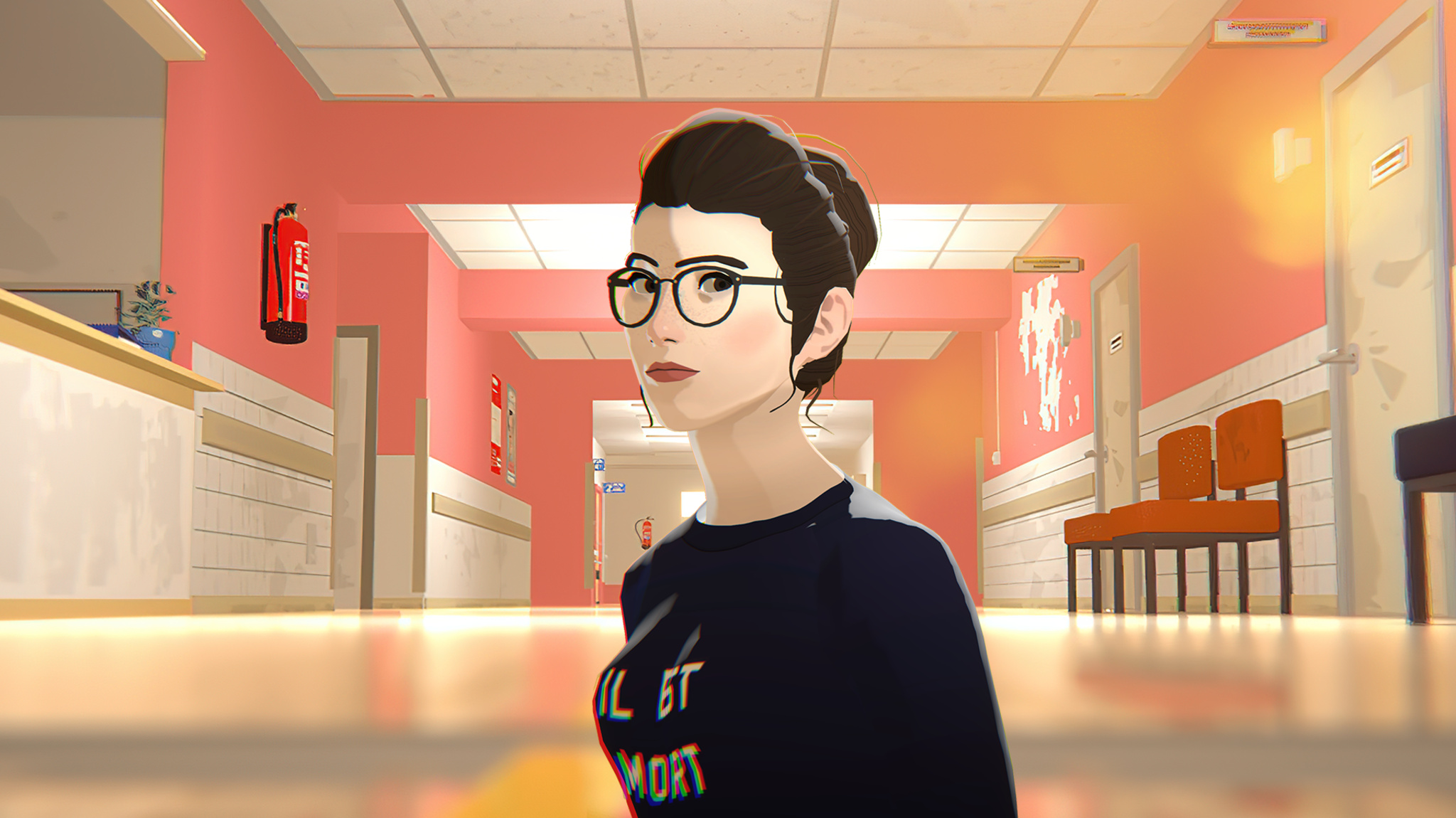
At its core, The Wreck centers around Junon, a writer grappling with the aftermath of a car accident. Instead of traditional gameplay mechanics, the experience unfolds through fragmented memories, presented as you piece together the events leading up to, during, and after the crash. What sets The Wreck apart is how these memories are presented.”We wanted to find a visual language that reflected the way trauma impacts the brain,” explains Arthur Maurin, the game’s director. “Instead of simply showing flashbacks, we opted for floating phrases – keywords like ’impacts the body,’ ‘impaired,’ and ‘long-term’ – that orbit Junon during moments of stress. It’s an elegant way of suggesting the internal triggers at play.”
(Image: Junon in a hospital hallway with floating phrases. Caption: Junon’s thoughts are frequently enough conveyed in floating phrases that surround her in stressful moments.)
This design choice isn’t arbitrary. It’s rooted in Maurin’s own experiences with memory. He shares a striking personal anecdote: a vivid childhood memory of his sister arriving home from the hospital, experienced entirely from a third-person perspective.
“I was seeing myself watching them from the window - something impractical in reality,” Maurin recounts. “My brain had rewritten the memory, and it felt so real. That realization became a cornerstone of The Wreck.”
The Evolution of Immersion
The development process wasn’t without its challenges. Early prototypes featured more traditional gamified elements, like collecting floating objects.However, playtesting revealed a critical flaw.”These mechanics pulled players out of the story,” Maurin explains. ”They broke the immersion we were striving for. We realized that to achieve our goal – a moving and mature narrative – we needed to prioritize emotional connection over active interaction.”
(Image: A screenshot of the car accident with a tin of peppermints. Caption: Items in The Wreck – like this tin of peppermints – frequently enough carry a larger meaning.)
This decision highlights a key principle of the game’s design: subtlety. Objects within the environment,like a tin of peppermints,aren’t simply props; they’re imbued with symbolic weight,prompting reflection and deeper engagement.Designing for a Specific Audience
Sunveiled understands that The Wreck isn’t for everyone. Its introspective nature and unconventional gameplay may not appeal to players seeking fast-paced action or clear-cut objectives.
“Some players are instantly drawn to our games, while others find they don’t fit their expectations,” Maurin admits. “And that’s okay.We’ve been refining this approach for 11 years, and we’re continually learning how to connect with an audience that appreciates nuanced storytelling.”
Key Takeaways for Designers
Embrace Personal Experience: draw inspiration from your own life to create authentic and relatable narratives.
Prioritize Immersion: Eliminate elements that distract from the emotional core of your experience.
Subtlety is Powerful: Use symbolism and environmental details to enhance meaning and encourage reflection.
Know Your Audience: Design for a specific audience,even if it means appealing to a niche market.
Iterate Based on Feedback: Playtesting is crucial for identifying and addressing design flaws.
The Wreck is a testament to the power of thoughtful design. It’s a game that doesn’t just tell a story; it invites you to feel* it, to confront the complexities of memory and trauma alongside Junon. It’s a powerful reminder that sometiems, the most





