
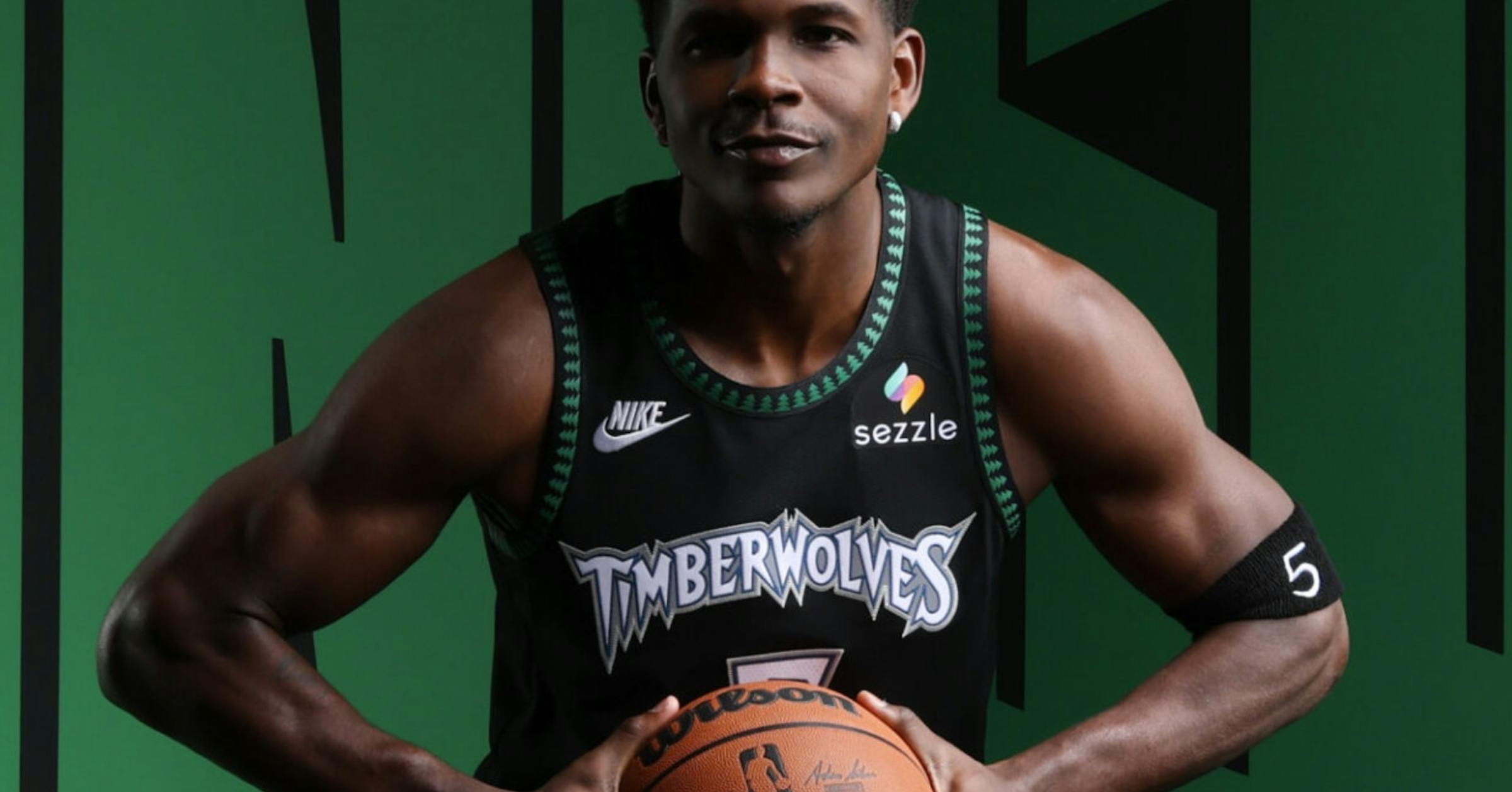
the Return of the Timberwolves’ “Black Trees”: A Deep Dive into a Nostalgic Era & Modern Revival
The Minnesota Timberwolves are poised to reignite a powerful wave of nostalgia, announcing the return of their iconic “Black Trees” uniforms and a matching court design for the 2024-2025 NBA season. This isn’t merely a cosmetic change; it’s a strategic move tapping into the emotional connection between the franchise, its history, and a generation of fans who remember the electrifying era of Kevin Garnett. This article will explore the meaning of this revival, the design details, the impact on fan engagement, and the broader context of NBA jersey history and branding. We’ll delve into the cultural resonance of the ”Black Trees,” examining why this particular aesthetic continues to hold such sway over Timberwolves supporters.
A Legacy Rooted in the 90s & Early 2000s: The Genesis of the “Black Trees”
The story of the “Black Trees” begins not with black jerseys, but with a subtle introduction in 1996. Initially, the Timberwolves debuted jerseys featuring evergreen tree borders on a lighter base. It wasn’t until 1998 that the bold black jerseys, framed by the distinctive evergreen trees, truly took root.this coincided with the rise of Kevin Garnett, who quickly became the face of the franchise and a global basketball icon.
The “Black Trees” weren’t just a jersey; they represented a period of sustained success and excitement for the Timberwolves. The team consistently made the playoffs during this era, culminating in a Western Conference Finals appearance in 2004. The jerseys became synonymous with a gritty, resolute style of play, mirroring Garnett’s intensity on the court. This association is crucial to understanding the enduring appeal of the design.
Deconstructing the Design: Aesthetics, Symbolism & Modern Updates
the ”Black trees” design is deceptively simple yet remarkably effective. the black base provides a stark contrast to the vibrant green of the evergreen trees, creating a visually striking aesthetic. The trees themselves aren’t merely decorative; they symbolize strength, resilience, and the natural beauty of Minnesota.
The revival isn’t a carbon copy of the original. While maintaining the core elements, the Timberwolves have subtly updated the design for a modern aesthetic. expect sharper lines, potentially enhanced fabric technology for improved performance, and a refined color palette. These updates demonstrate a respect for the original while acknowledging the evolution of jersey design in the NBA.
The accompanying court design, a replica of the parquet hardwood used in the 1990s, further enhances the nostalgic experience. The classic parquet flooring evokes a sense of basketball history and adds another layer of authenticity to the revival. This holistic approach – jerseys and court – demonstrates a commitment to fully immersing fans in the “Black trees” era.
Strategic Branding & Fan Engagement: Why Now?
The Timberwolves’ decision to bring back the ”black trees” is a masterclass in strategic branding. In a league increasingly focused on marketing and fan experience, leveraging nostalgia is a powerful tool. The team is tapping into the emotional connection that long-time fans have with the design, while simultaneously introducing a new generation to a beloved piece of franchise history.
According to a recent report by Statista (november 2023), NBA jersey sales increased by 15% in the 2022-2023 season, driven in part by the popularity of retro designs. This trend highlights the growing demand for jerseys that celebrate the league’s rich history.
The Timberwolves plan to wear the Classic Edition uniforms for 21 home games and seven road games during the 2024-2025 season, beginning with a matchup against the Indiana Pacers on October 26th at Target Center. This consistent presence ensures that the “





