
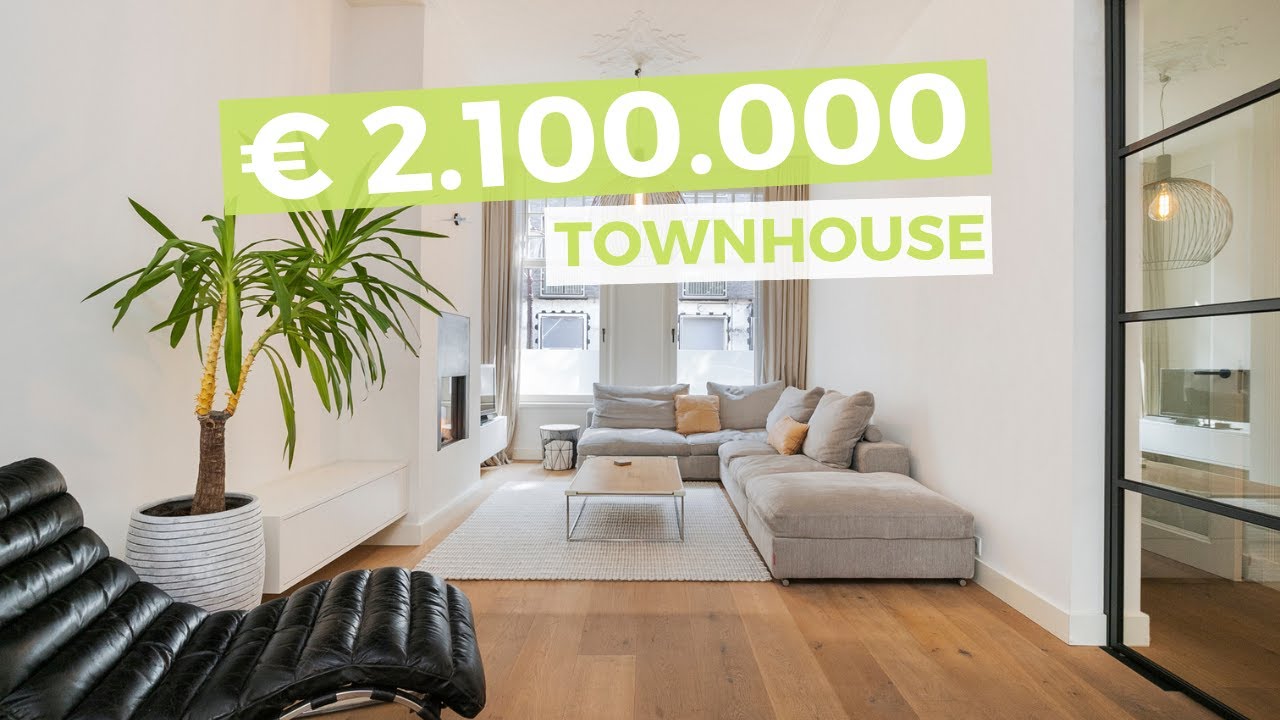
Amsterdam is facing a renewed wave of criticism over its housing market, with a particularly stark example highlighting the challenges faced by prospective homebuyers. A minuscule apartment, measuring just 11 square meters (approximately 118 square feet) and lacking both a bathroom and a kitchen, has been listed for sale for nearly €100,000. The listing has sparked outrage, fueling the ongoing debate about affordability and the state of housing in the Dutch capital. This situation underscores the extreme conditions in Amsterdam’s property market, where even the smallest spaces command exorbitant prices.
The property, located in Amsterdam, is being marketed as an investment opportunity, with the stipulation that it can only be purchased with cash. This restriction immediately raises concerns about accessibility, effectively excluding many potential buyers who rely on mortgages. The lack of essential amenities like a bathroom and kitchen further compounds the issue, raising questions about the habitability and overall value of the property. The listing has quickly become a symbol of the city’s housing crisis, drawing attention to the widening gap between property prices and the financial realities of ordinary residents.
Amsterdam’s Housing Crisis: A Deepening Problem
Amsterdam has long struggled with a severe housing shortage, exacerbated by a growing population and limited land availability. Demand far outstrips supply, driving up prices to levels that are increasingly unattainable for many. The city’s popularity as a tourist destination and international business hub further contributes to the pressure on the housing market. According to reports in De Telegraaf, the situation is particularly acute for first-time buyers and those on lower incomes.
The current market conditions have led to a surge in the number of small, often dilapidated properties being offered at inflated prices. Investors are increasingly drawn to Amsterdam’s real estate market, viewing it as a safe and lucrative investment. This influx of capital further drives up prices, making it even more difficult for local residents to find affordable housing. The trend of selling properties without basic amenities, like bathrooms and kitchens, is also becoming more common, as investors seek to maximize profits by minimizing renovation costs.
The Reaction: Outrage and Calls for Regulation
The listing of the 11-square-meter apartment has ignited a firestorm of criticism on social media and in the Dutch press. Many have expressed disbelief at the price tag, arguing that it is disproportionate to the size and condition of the property. Critics argue that the situation is a symptom of a broader problem: the commodification of housing, where homes are treated as investment vehicles rather than basic human necessities. The outrage extends beyond the price itself, focusing on the cash-only requirement, which effectively shuts out a large segment of the population.

Politicians and housing advocates have also weighed in, calling for stricter regulations to curb speculation and protect the rights of residents. Some have proposed measures to limit the number of properties that can be purchased by investors, while others advocate for increased investment in social housing. The debate over how to address Amsterdam’s housing crisis is ongoing, with no easy solutions in sight. The current situation highlights the urgent need for comprehensive and effective policies to ensure that everyone has access to safe, affordable housing.
The Broader Context: Dutch Housing Market Trends
The challenges facing Amsterdam are not unique within the Netherlands. The Dutch housing market as a whole has been experiencing a period of rapid price growth, driven by low interest rates, a strong economy, and limited housing supply. As reported by De Telegraaf, this has led to a growing affordability crisis, particularly in major cities like Amsterdam, Rotterdam, and The Hague.
The Dutch government has implemented a number of measures in recent years to try to cool the housing market, including stricter mortgage rules and increased taxes on property transactions. However, these measures have had limited success in curbing price growth. The underlying problem remains a chronic shortage of housing, which is unlikely to be resolved quickly. The government is now exploring more radical solutions, such as increasing the supply of land for building and incentivizing the construction of affordable housing.
Investment and Speculation in Amsterdam Real Estate
Amsterdam’s attractiveness as an investment destination has fueled a significant amount of speculation in the real estate market. Investors, both domestic and foreign, are drawn to the city’s stable economy, strong rental yields, and potential for capital appreciation. This has led to a situation where properties are often purchased not to be lived in, but to be resold for a profit. This speculative activity further exacerbates the housing shortage and drives up prices.
The cash-only requirement for the 11-square-meter apartment is a clear indication of the role that investment is playing in the Amsterdam market. Investors often prefer to pay in cash to avoid the complexities and costs associated with obtaining a mortgage. This gives them a competitive advantage over ordinary buyers, who are typically reliant on financing. The lack of transparency in the market also makes it difficult to track the extent of foreign investment and speculation.
The Human Impact: Stories from Amsterdam Residents
Beyond the statistics and market trends, the housing crisis in Amsterdam is having a profound impact on the lives of ordinary residents. Many young people are forced to live with their parents for longer periods, delaying their independence and family formation. Others are forced to move further and further away from the city center, commuting long distances to work or school. The lack of affordable housing is also contributing to social inequality, as those with lower incomes are increasingly excluded from the benefits of living in Amsterdam.
Stories abound of residents struggling to find suitable accommodation, facing exorbitant rents, and living in overcrowded conditions. The stress and uncertainty of the housing market are taking a toll on people’s mental and physical health. The situation is particularly challenging for essential workers, such as teachers, nurses, and police officers, who are vital to the functioning of the city but cannot afford to live there.
A Recent Win: Thomas’s €100,000 Prize
In a separate, but related story, Thomas recently won €100,000 on the SBS6 program “Lijkt mij fantastisch.” As reported by De Telegraaf, he expressed excitement about what he would do with the money, though his plans were not specified. While a significant sum, even this prize would likely be insufficient to purchase a modest home in Amsterdam’s current market.
Looking Ahead: Potential Solutions and Challenges
Addressing Amsterdam’s housing crisis will require a multifaceted approach, involving both short-term and long-term solutions. Increasing the supply of housing is paramount, but this will require overcoming a number of challenges, including land scarcity, planning regulations, and opposition from local residents. The city government is exploring options such as building upwards, converting existing buildings, and developing new land outside the city center.
In addition to increasing supply, it is also crucial to curb speculation and protect the rights of residents. This could involve measures such as limiting the number of properties that can be purchased by investors, increasing taxes on vacant properties, and strengthening tenant protections. The government could also consider implementing rent controls to produce housing more affordable. However, rent controls can also have unintended consequences, such as reducing the incentive for landlords to maintain their properties.
The situation in Amsterdam serves as a cautionary tale for other cities facing similar housing challenges. The commodification of housing, the influx of investment capital, and the lack of affordable housing are all issues that are becoming increasingly prevalent in urban areas around the world. Finding sustainable solutions will require a commitment to prioritizing the needs of residents over the interests of investors.
The next step in addressing this issue will likely involve further debate within the Amsterdam city council regarding potential regulatory changes. Residents are encouraged to stay informed and participate in the public discourse surrounding this critical issue. Share your thoughts and experiences in the comments below.