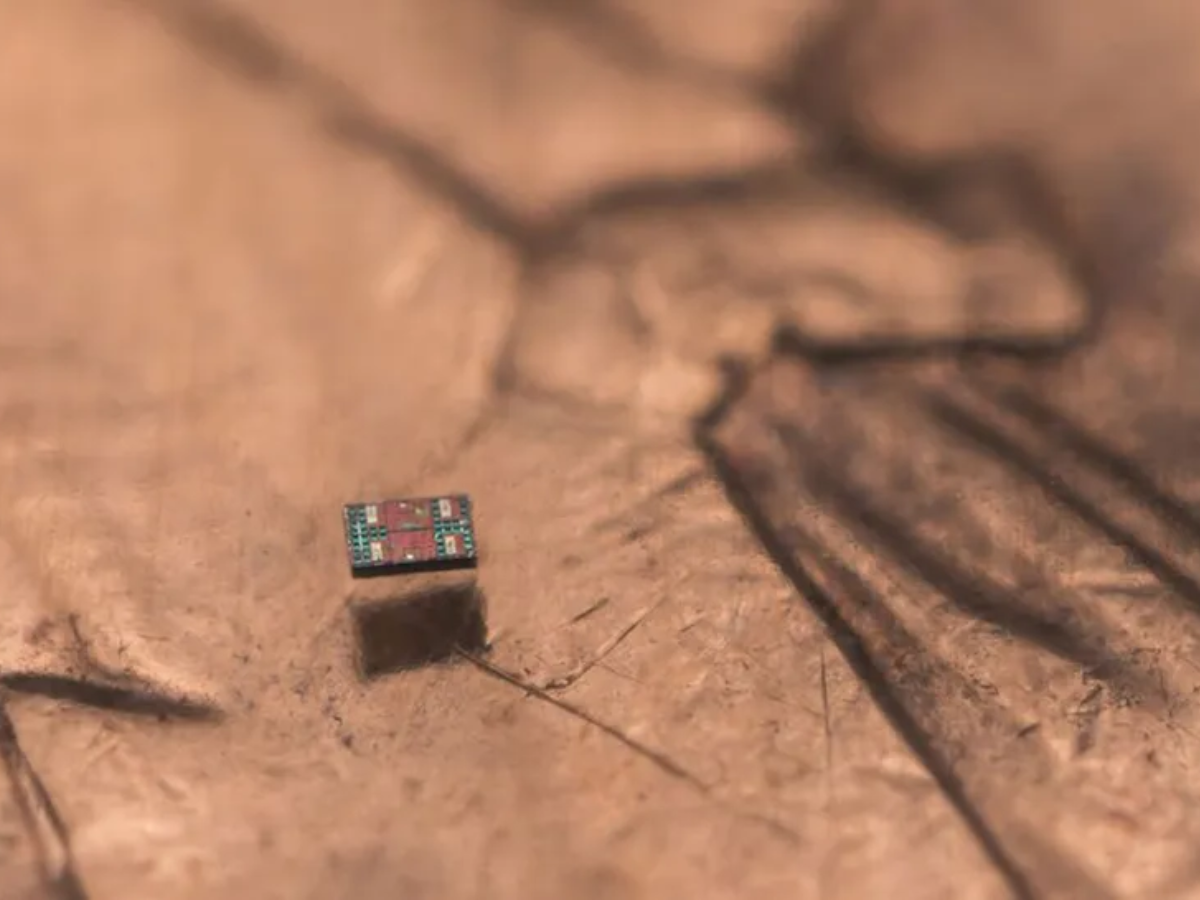
Tiny Robots, Big Potential: A Leap in Micro-Robotics
Researchers have achieved a remarkable breakthrough in robotics, creating fully autonomous robots smaller than a grain of salt. These minuscule machines represent a significant step forward in the field of micro-robotics, opening doors to possibilities previously confined to science fiction.
Imagine robots operating at the cellular level, performing tasks currently impossible with conventional technology. This is the promise these new micro-robots hold. They’re capable of sensing their habitat, moving with purpose, and even performing basic computations - all within a space barely visible to the naked eye.
What Makes These Robots special?
Several key features distinguish these micro-robots from previous attempts at miniaturization.
* Full Autonomy: Unlike many micro-devices that require external control, these robots operate independently, making decisions based on their onboard sensors and processing capabilities.
* Integrated Functionality: They seamlessly combine sensing, movement, and computation into a single, incredibly small package.
* Cellular Scale Operation: Their size allows them to interact directly with biological systems, perhaps revolutionizing medicine and diagnostics.
Potential Applications: A Glimpse into the Future
The potential applications of these tiny robots are vast and span numerous fields. Here are just a few examples:
* Targeted Drug Delivery: Imagine delivering medication directly to cancerous cells,minimizing side effects and maximizing treatment efficacy.
* Microsurgery: These robots could perform incredibly precise surgical procedures, accessing areas of the body previously unreachable.
* Environmental Monitoring: They could be deployed to detect pollutants or monitor environmental conditions at a microscopic level.
* Biomedical Research: Researchers can use them to study cellular processes in real-time,gaining new insights into the complexities of life.
The Challenges of Building So Small
creating robots at this scale presents significant engineering challenges. Powering such small devices, for instance, requires innovative solutions. Researchers are exploring various methods, including energy harvesting from the surrounding environment.
Moreover, controlling the movement and coordination of these robots is complex. Developing algorithms that allow them to navigate and perform tasks reliably in a chaotic cellular environment is an ongoing area of research.
What Does This Mean for You?
While widespread adoption of these micro-robots is still years away, the implications are profound. I’ve found that breakthroughs like these frequently enough start as fundamental research and gradually evolve into transformative technologies.
Here’s what you can expect in the coming years:
- Continued Refinement: Expect ongoing improvements in robot size, functionality, and autonomy.
- Increased Investment: This field is likely to attract significant investment from both public and private sectors.
- Collaboration: Progress will depend on collaboration between engineers,biologists,and medical professionals.
These tiny robots aren’t just a technological marvel; they represent a paradigm shift in how we approach problem-solving. They offer a glimpse into a future where microscopic machines can tackle some of the world’s most pressing challenges, improving your health, protecting the environment, and expanding our understanding of the universe.

![Best Irons of [Year]: Top-Rated for Power & Playability](https://i0.wp.com/golf.com/wp-content/uploads/2025/12/Srixon-ZXi5-irons.jpg?resize=150%2C150&ssl=1 "Best Irons of [Year]: Top-Rated for Power & Playability")