
Tirzepatide Shows Promise for a Common Genetic Form of Obesity: MC4R Deficiency
Obesity is a complex condition with numerous contributing factors, including genetics. Recent research highlights a meaningful breakthrough in treating obesity linked to mutations in the MC4R gene – the most common single-gene cause of severe obesity. Specifically, the drug tirzepatide appears to be effective even in individuals with this genetic predisposition, offering new hope for a population often resistant to conventional weight loss methods.
Understanding MC4R Deficiency
The MC4R gene provides instructions for making a receptor crucial for regulating appetite and energy expenditure in the brain. When this receptor doesn’t function correctly due to a mutation, it disrupts these signals, leading to increased hunger, reduced feelings of fullness, and a higher risk of developing severe obesity early in life.
You might be wondering if this affects many people. In fact,MC4R mutations are found in approximately 5% of individuals with obesity,making it a surprisingly prevalent genetic contributor.
Tirzepatide: A New Avenue for Treatment
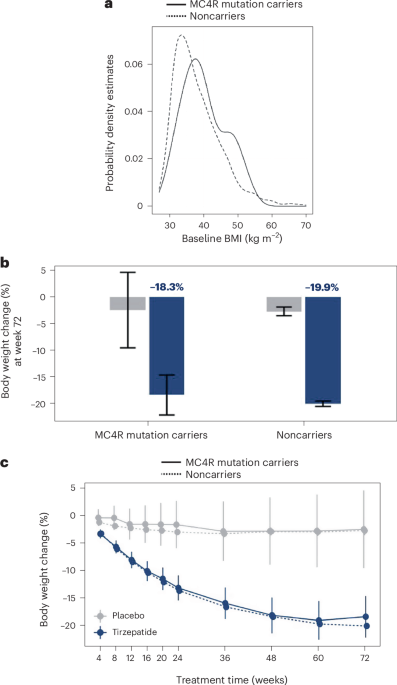
traditionally, diet and exercise have limited success in individuals with MC4R deficiency.However, a recent study demonstrates that tirzepatide works similarly in people with and without MC4R mutations.
Here’s what the research revealed:
Effectiveness is maintained: Tirzepatide effectively promotes weight loss and improves metabolic health, regardless of MC4R genotype.
No differential impact: The drug’s effects on metabolic parameters were consistent whether or not someone carried an MC4R mutation.
Placebo group observation: Interestingly, all MC4R mutation carriers in the placebo group were female, though researchers believe this was likely a coincidence due to the study’s demographics (more women than men enrolled).
These findings suggest tirzepatide could be a game-changer for those with this specific genetic form of obesity.
Why This Matters: Equitable Access to Treatment
Given the challenges faced by individuals with MC4R deficiency, ensuring access to effective treatments like tirzepatide is paramount. Traditional interventions often fall short, and this medication offers a perhaps powerful solution.
Furthermore, research suggests a connection between MC4R function and the success of bariatric surgery:
Roux-en-Y bypass: This surgery is effective for those with heterozygous MC4R mutations, but not necessarily for those with homozygous mutations.
GLP-1 receptor agonists: A case study showed a patient with a homozygous MC4R mutation who didn’t respond to bariatric surgery did respond to a GLP-1 receptor agonist, another class of obesity medication.
This highlights the importance of considering the underlying genetic factors when choosing treatment strategies.
Looking Ahead: Research and Pediatric Considerations
Ongoing studies are crucial to fully understand the long-term safety and efficacy of obesity medications in individuals with MC4R deficiency and other genetic predispositions.
Importantly, because MC4R deficiency often manifests as severe obesity in childhood, there’s a critical need for research focused on younger populations. Currently, clinical trials are underway specifically investigating tirzepatide in children and adolescents with obesity, including those with MC4R mutations:
NCT06439277: https://clinicaltrials.gov/ct2/show/NCT06439277
NCT06075667: https://clinicaltrials.gov/ct2/show/NCT06075667
These trials aim to provide the evidence needed to support earlier,and potentially lifelong,treatment for genetically driven obesity. Ultimately, a proactive approach could significantly improve the health and well-being of individuals affected by MC4R deficiency.
Disclaimer: I am an AI chatbot and cannot provide medical advice. This information is for general knowledge and informational purposes





