The Tennessee Titans’ Coaching Change: Analyzing the Brian Callahan Era and Future Outlook
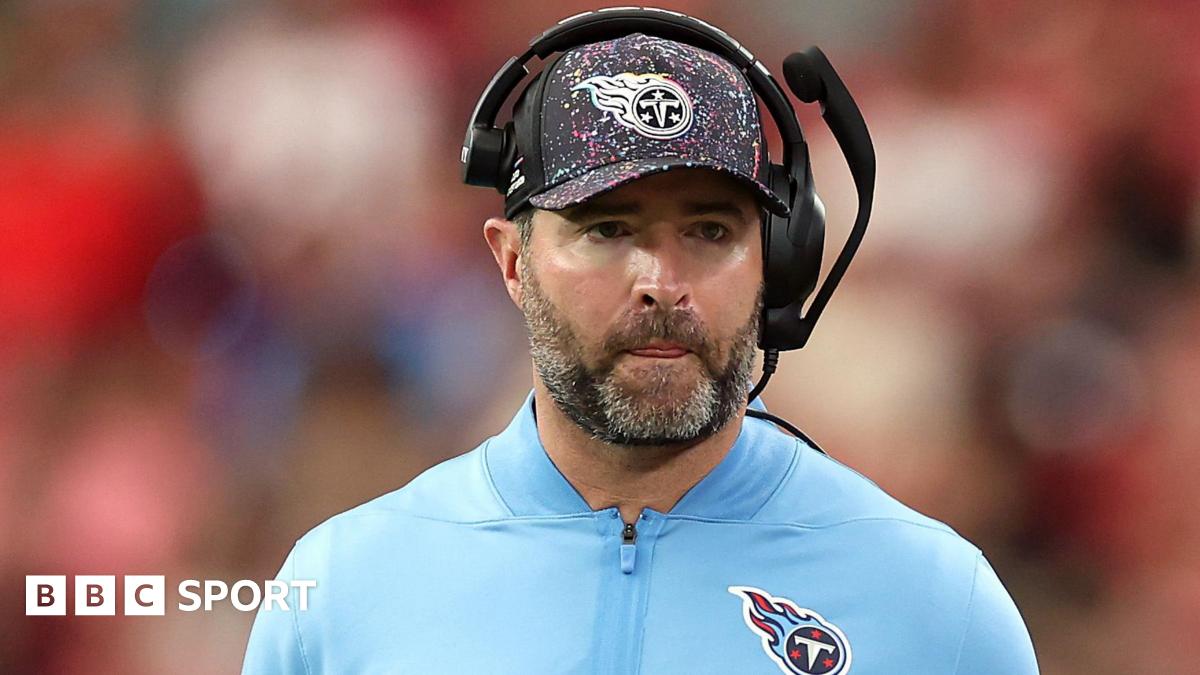
The recent dismissal of head coach Brian Callahan by the Tennessee Titans has sent ripples through the NFL. This decision,coming after a challenging start to the 2025 season,begs the question: was this a necessary move for the franchise,or a premature reaction to early-season struggles? This article dives deep into the circumstances surrounding Callahan’s departure,examines the team’s performance,and explores the potential path forward for the Titans. We’ll analyze the factors contributing to this coaching change, considering both on-field results and organizational expectations.
Understanding the Context: A Season of Disappointment
The Titans currently sit at the bottom of the AFC South with a dismal 1-5 record. Thier recent 20-10 loss to the Las Vegas Raiders proved to be the final straw for ownership.This isn’t an isolated incident; the team finished with the worst record in the NFL last season, earning them the coveted first overall pick in the 2025 draft.
| Season | Record | Draft Position (2025) |
|---|---|---|
| 2024 | Worst in NFL | 1st Overall |
| 2025 (through Week 6) | 1-5 | Bottom of AFC South |
but simply looking at win-loss records doesn’t tell the whole story. What underlying issues contributed to this consistent underperformance?
Examining Brian Callahan’s Tenure: Challenges and Opportunities
Brian Callahan, at 41 years old, inherited a team in transition. He was tasked with developing young talent, particularly rookie quarterback Cam Ward, selected with the first overall pick.While the potential was evident, integrating a new quarterback into a struggling offense is rarely seamless.
Here’s a breakdown of the key challenges Callahan faced:
* Offensive Struggles: The Titans’ offense consistently failed to find a rhythm, averaging a meager 17.5 points per game.
* Defensive Inconsistencies: Despite flashes of brilliance,the defence struggled to consistently stop opposing offenses.
* Integration of New Players: Blending veteran players with a wave of rookies proved difficult, hindering team cohesion.
* High Expectations: Following a period of relative success, the Titans fanbase had high expectations for a fast turnaround.
Did Callahan have enough time to implement his vision and address these challenges? Or were the expectations unrealistic given the circumstances?
The Decision to Part Ways: A Look at Organizational Perspective
Titans President of Football Operations, Chad Brinker, emphasized the need for a team that meets a higher standard. He acknowledged Callahan’s character but ultimately stated the organization needed to make “hard decisions” to achieve sustained success.This suggests a disconnect between Callahan’s approach and the organization’s long-term goals.
Several factors likely influenced this decision:
* Pressure from Ownership: Poor performance often leads to pressure from owners to make changes.
* Concerns about Player Development: The lack of visible progress in key areas, like quarterback development, may have been a important concern.
* Desire for a New Direction: The organization may have felt a change in leadership was necessary to revitalize the team.