Protecting Athletes: Understanding the World Athletics Heat Rule
Have you ever wondered what happens when the heat becomes a serious threat to athletes during competition? World Athletics, the international governing body for track and field, has a robust heat rule in place to safeguard competitors. This isn’t just about discomfort; it’s about preventing potentially life-threatening heat illnesses.This article dives deep into the specifics of this crucial regulation, exploring how it works, why it’s necessary, and what the future holds as climate change continues to impact sports.
what is the World Athletics Heat Rule?
The core principle behind the World Athletics heat rule is to mitigate the risks associated with exercising in extreme temperatures. It’s a proactive measure designed to protect athletes from heatstroke, exhaustion, and other heat-related conditions. The rule isn’t a simple temperature threshold; it utilizes a more sophisticated metric called the Wet Bulb Globe Temperature (WBGT).
The WBGT considers several factors beyond just air temperature. It incorporates humidity, wind speed, sun angle, and cloud cover to provide a extensive assessment of heat stress in direct sunlight.This holistic approach is vital becuase humidity considerably impacts the body’s ability to cool itself through sweat evaporation.
Understanding the WBGT Scale & Warning Levels
Here’s a breakdown of how the WBGT scale translates into action:
* 25°C (77°F): A warning is issued. Athletes and support staff are alerted to the potential for heat stress and encouraged to take preventative measures.
* 28°C (82.4°F): Severe warnings are issued. Competition organizers begin to implement more stringent precautions.
* 30°C (86°F) and above: Considered dangerous.Competition is at significant risk of postponement or modification.
These thresholds aren’t arbitrary.Research published in Sports Medicine (October 2023) highlights that performance declines significantly and the risk of heat illness dramatically increases above a WBGT of 28°C, particularly for endurance events. https://link.springer.com/article/10.1007/s40279-023-01824-x
Practical Implications & Athlete Welfare
So, what does this mean in practice? When the WBGT reaches concerning levels, organizers might:
* Reschedule events to cooler times of the day – early mornings or evenings.
* Increase the availability of cooling stations with water and ice.
* Provide medical personnel equipped to treat heat illnesses.
* Modify event distances or formats.
* In extreme cases, postpone or cancel competitions altogether.
Health advice consistently recommends that distance races, in particular, should ideally take place below 18°C (64.4°F) to minimize risk. This is because prolonged exertion in high temperatures places immense strain on the cardiovascular system.
The Growing Challenge of Climate Change
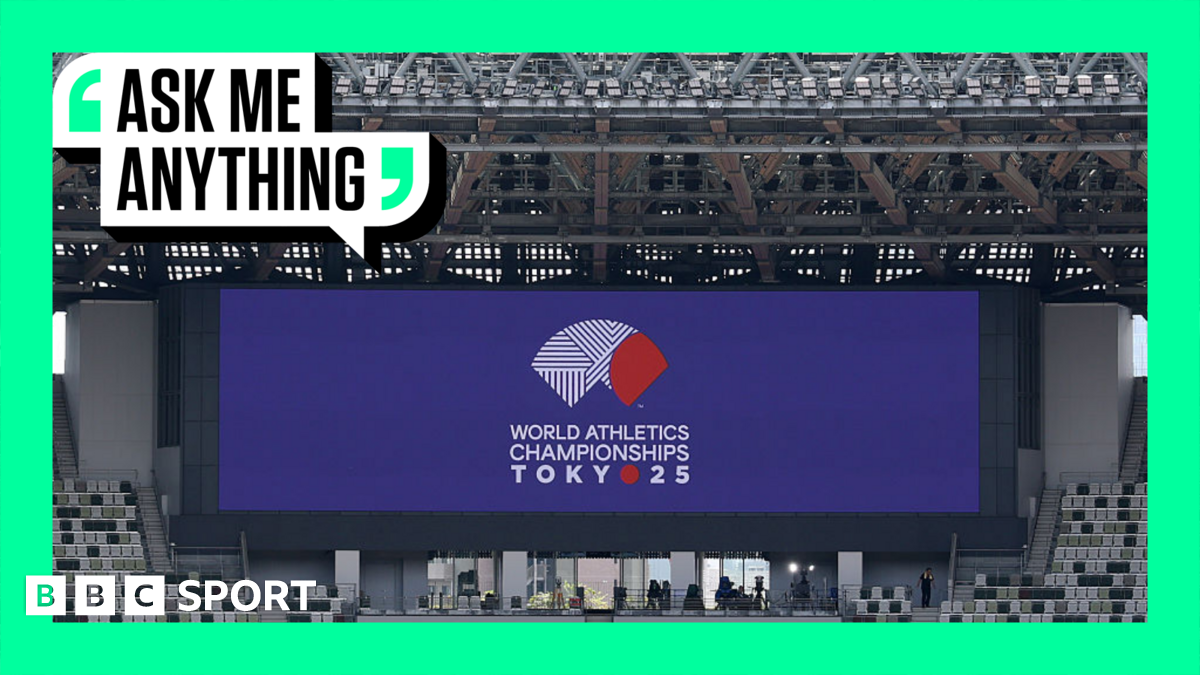
World Athletics President Sebastian Coe has been vocal about the increasing “heat challenges” facing the sport, especially with events like the upcoming championships in Tokyo. He emphasizes that inaction from governments is forcing sports leaders to take “unilateral judgments and decisions” to prioritize athlete welfare. This isn’t just about Tokyo; it’s a global trend.
A recent report by the UN Habitat Program (released March 2024) predicts a significant increase in extreme heat events across the globe, directly impacting outdoor sports. https://www.unep.org/news-and-stories/report/global-assessment-climate-change-sports This means the heat rule and similar protocols will become even more critical in the years to come. Consider exploring heat acclimatization strategies for athletes training in warmer climates.
Beyond the Rule: Proactive Heat Management
While the World Athletics heat rule is a vital safety net, proactive heat management is equally important. Here are some actionable steps for athletes and coaches:
* Hydration: Drink plenty of fluids before, during, and after exercise.
* **Ac



![3 Loved & 3 Hated: Honest [Product/Service Name] Review](https://i0.wp.com/www.wrestlinginc.com/img/gallery/aew-worlds-end-2025-3-things-we-hated-3-things-we-loved/l-intro-1766899412.jpg?resize=330%2C220&ssl=1 "3 Loved & 3 Hated: Honest [Product/Service Name] Review")