
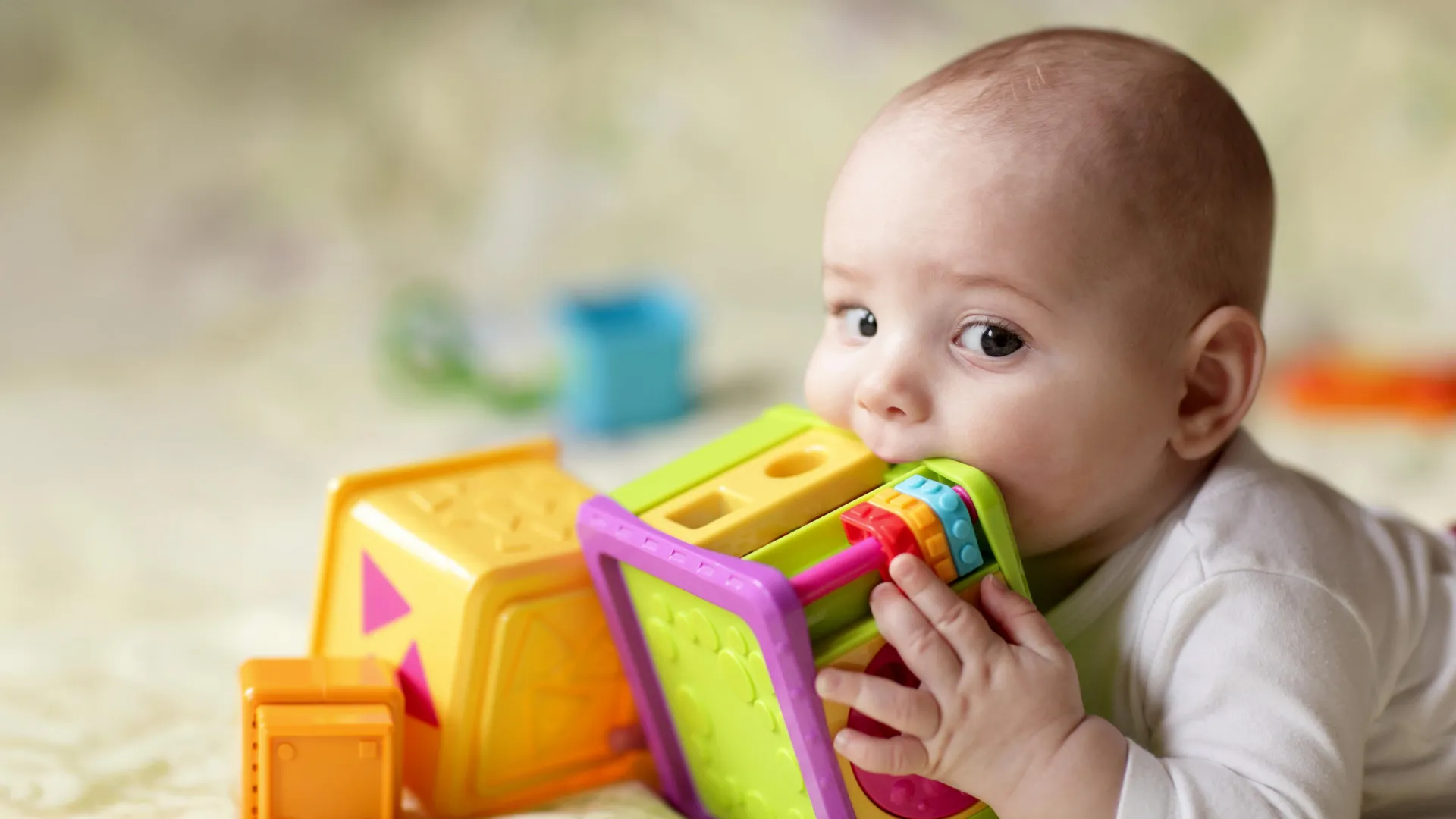
Hidden Hazards in Playtime: A Deep Dive into toxic Metals Found in Children’s Toys
For parents, the safety of their children is paramount. We meticulously childproof our homes, carefully select food, and strive to provide a nurturing habitat. But what about the toys our children play with - seemingly harmless objects that can,alarmingly,pose a hidden threat to their health? A recent study reveals a concerning prevalence of toxic metals in children’s toys sold in Brazil,raising serious questions about manufacturing standards,import regulations,and the potential for long-term health consequences. This investigation, led by researcher Bruno Alves Rocha, highlights a critical need for increased vigilance and stricter oversight in the toy industry.
A Cocktail of Contaminants: What the Study Found
The research, conducted by a team at UNIFAL and supported by FAPESP, analyzed a range of toys purchased from both large retailers and discount stores in Ribeirão Preto, Brazil. The goal was to create a representative sample reflecting the toys accessible to families across diffrent socioeconomic backgrounds. What thay discovered was deeply troubling: 21 toxic elements were identified in the toys tested, including silver, aluminum, arsenic, cadmium, chromium, led, mercury, and uranium.
Though, the mere presence of these elements isn’t the whole story. The study focused on the levels of contamination and, crucially, how readily these toxins can be released when a child interacts with the toy. Using advanced analytical techniques – specifically, inductively coupled plasma mass spectrometry (ICP-MS) coupled with microwave-assisted acid digestion – researchers simulated the conditions of a child’s oral exploration, mimicking how chemicals might be released through saliva contact.
The results were stark. Here’s a breakdown of the most concerning findings:
* Lead: A staggering 32.9% of toys exceeded the acceptable lead limit, with some samples containing nearly four times the permissible amount. Lead exposure is particularly risky for children, leading to irreversible neurological damage, memory impairment, and reduced IQ.
* chromium: found in 20% of the toys at levels exceeding safety standards,chromium is a known carcinogen.
* Antimony: Present in 24.3% of the toys, antimony can cause gastrointestinal distress.
* Multiple Contamination: The study didn’t identify isolated incidents.Many toys contained multiple toxic elements, compounding the potential health risks.
Why This Matters: The Health Risks to Children
The dangers of exposure to these metals are well-documented. Even small amounts can have significant impacts on a child’s developing nervous system and overall health.
* Neurological damage: Lead, mercury, and arsenic are neurotoxins, meaning they can damage brain cells and impair cognitive function. This can manifest as learning disabilities, behavioral problems, and developmental delays.
* Cancer Risk: Chromium and cadmium are classified as carcinogens, increasing the risk of developing cancer later in life.
* Organ Damage: Exposure to these metals can also damage vital organs, including the kidneys, liver, and heart. Lead, in particular, can lead to serious heart and nervous system issues, including arrhythmias and paralysis.
* Endocrine Disruption: This research builds on previous work by the same team, which identified the presence of endocrine-disrupting chemicals like bisphenols, parabens, and phthalates in toys. These chemicals interfere with the hormonal system,perhaps leading to reproductive problems and other health issues.
Understanding Exposure: It’s Not Just About Concentration
The study didn’t just measure the total amount of toxic elements present. Researchers cleverly developed two exposure scenarios: one based on average concentrations and another based on the highest levels detected. This is crucial as exposure isn’t solely resolute by the amount of a toxin present; it’s also influenced by how much of that toxin is released and how long a child is exposed.
While the extraction rates (the amount of a substance released when exposed to simulated gastric juice) ranged from 0.11% to 7.33%, Rocha emphasizes that even a small percentage of a high concentration can be concerning. “While this is positive, the finding doesn’t eliminate safety concerns, particularly given the high total concentrations detected in many samples,” he explains. A child who frequently puts a toy in their mouth, or plays with it for extended periods, is at a higher risk of exposure.
Tracing the Source: Clues to Prevent Future Contamination
The investigation also yielded valuable insights into the potential sources of contamination. Researchers found correlations between nickel, cobalt, and manganese, suggesting a common manufacturing origin. Interestingly, beige-colored toys consistently showed higher metal





![China Taiwan Drills: Blockade Simulation Raises Concerns | [Year] Update](https://i0.wp.com/hongkongfp.com/wp-content/uploads/2025/12/RENAME-before-upload-Article-Basic-Full-logo-53.jpg?resize=150%2C100&ssl=1 "China Taiwan Drills: Blockade Simulation Raises Concerns | [Year] Update")

