
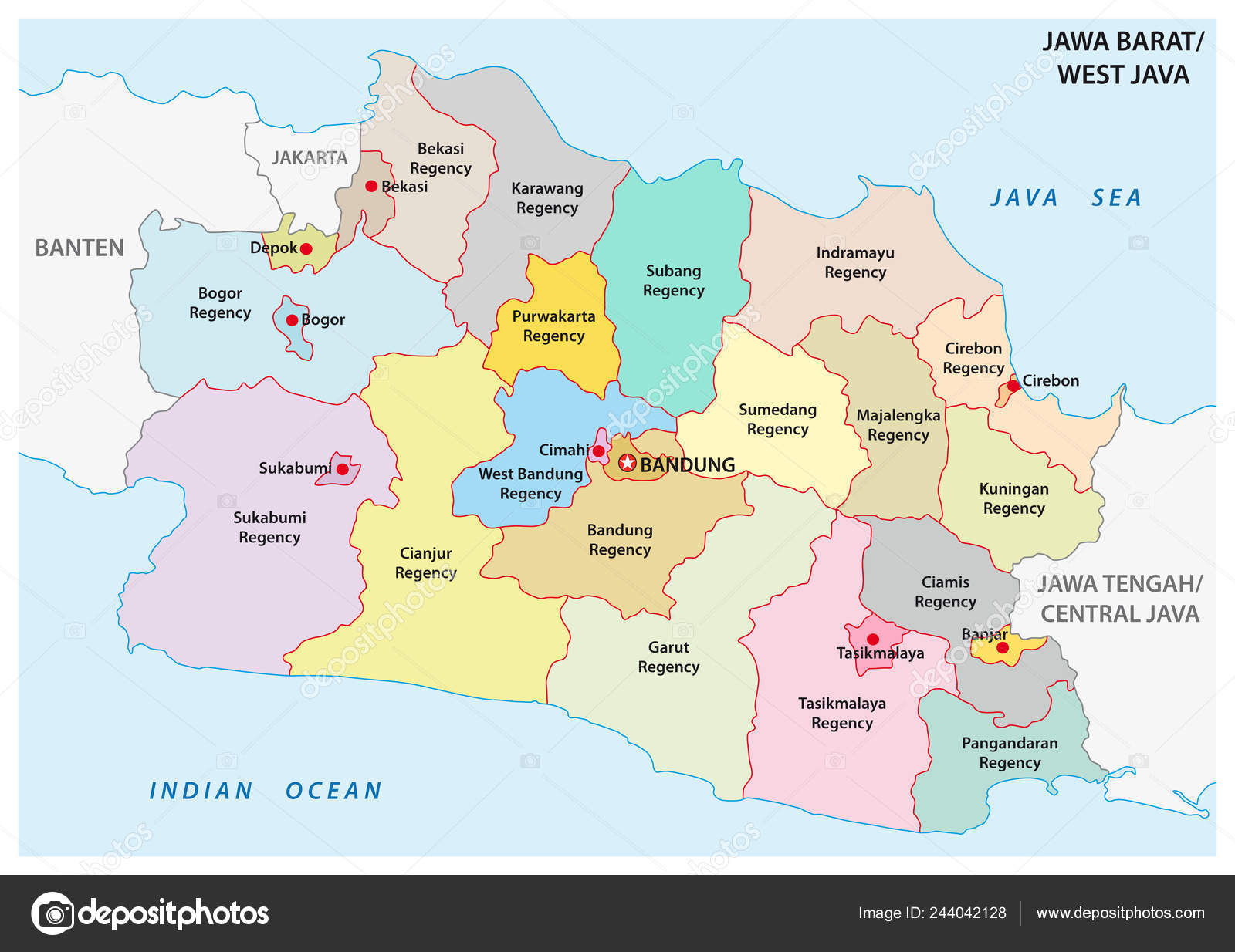
Archaeological explorations in Majalengka, West Java, have identified various traces of prehistoric human activity, including stone artifacts and potential settlement sites. These findings contribute to the broader understanding of early human migration and habitation patterns across the Indonesian archipelago, specifically within the historical Sundaland region.
The presence of ancient human traces in the Majalengka regency suggests that the area served as a significant habitat during the prehistoric era. Researchers and local historians point to the region’s unique geological and hydrological features as primary reasons for early human settlement. These findings are part of a wider effort to map the distribution of early human populations throughout the island of Java.
What archaeological evidence exists in Majalengka?
Evidence of prehistoric life in Majalengka primarily consists of lithic artifacts, or stone tools, discovered in various hilly and riverine locations. These tools, which include stone flakes and choppers, indicate that early inhabitants utilized the local environment for survival, hunting, and food processing.
The distribution of these artifacts is often linked to the proximity of water sources. In Majalengka, the river basins have historically provided the necessary resources for human life, including water, food, and transport routes. Archaeologists note that the discovery of such tools in specific geological layers helps determine the chronological age of human presence in the area.
While much of the focus in Indonesian paleoanthropology has traditionally been on Central Java, the artifacts found in West Java, including Majalengka, provide essential data regarding the movement of early humans. These sites offer a glimpse into the technological capabilities of prehistoric groups and their ability to adapt to the diverse landscapes of the Sunda Shelf.
How does the geography of West Java influence prehistoric settlements?
The geography of Majalengka played a critical role in attracting and sustaining early human populations. The region is characterized by a combination of mountainous terrain and fertile river valleys, creating a diverse ecosystem that supported various forms of life.
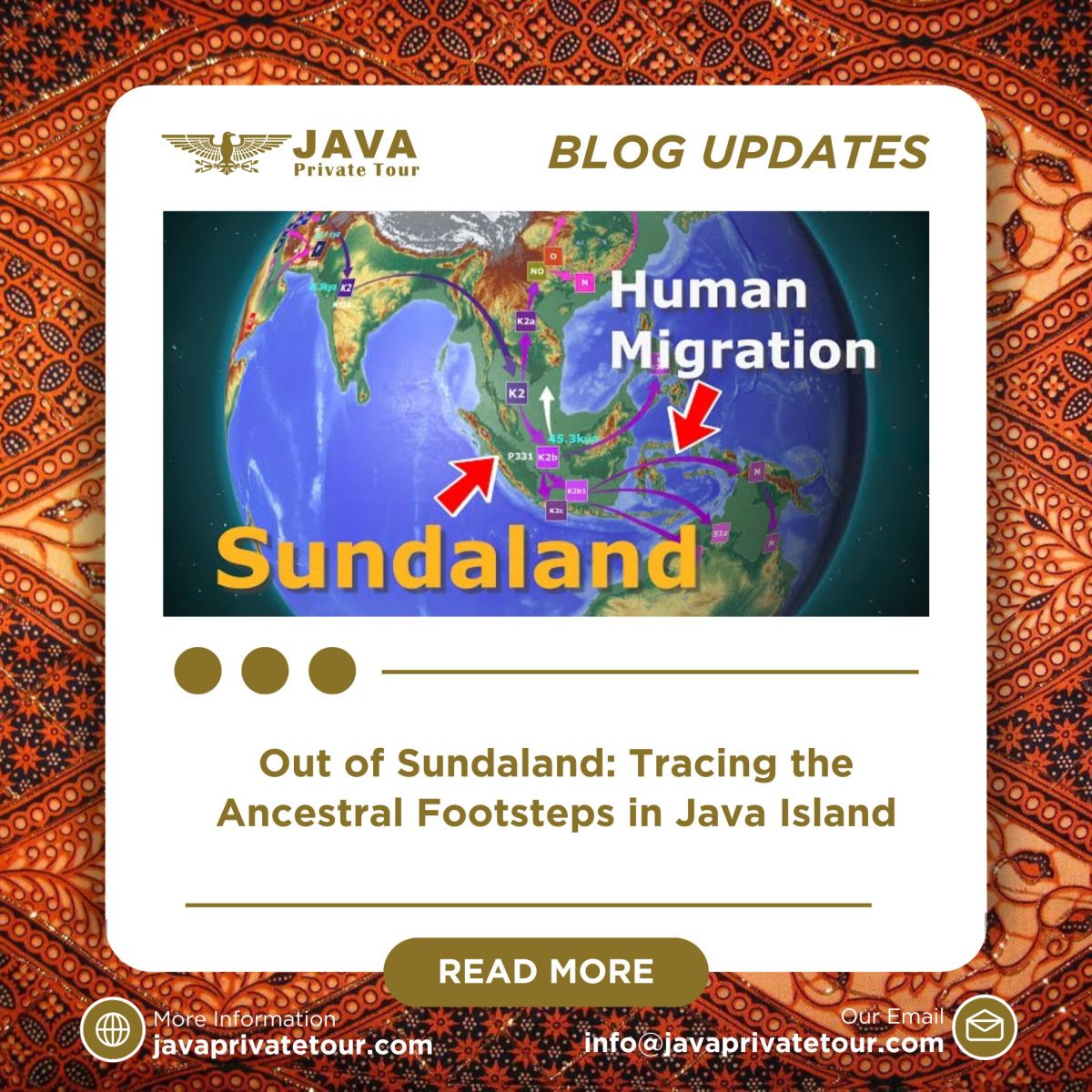
During the Pleistocene epoch, much of the Indonesian archipelago was part of a larger landmass known as Sundaland. This connection allowed for the migration of various species, including early humans, across what are now separated islands. The valleys in Majalengka likely served as natural corridors for these migrations, offering protection and abundant resources.
The geological composition of the area also influenced the availability of raw materials. Early humans required durable stones to create tools, and the volcanic and sedimentary processes in West Java provided an ample supply of suitable materials. The availability of these resources allowed for the development of more sophisticated stone tool technologies over time.
Key Environmental Factors for Prehistoric Majalengka
- Hydrological Networks: Proximity to river systems provided consistent water access and food sources like fish and mollusks.
- Topographical Diversity: The mix of hills and valleys offered varied microclimates and defensive positions.
- Resource Availability: Natural stone deposits facilitated the creation of essential lithic tools.
- Migration Corridors: The landscape acted as a bridge between coastal areas and the interior of Java.
Comparing Majalengka to other Indonesian prehistoric sites
To understand the importance of the Majalengka findings, it is helpful to compare them with the more widely studied sites in Indonesia, such as Sangiran and Trinil in Central Java. While these Central Javanese sites are famous for the discovery of Homo erectus fossils, the sites in West Java offer a different perspective on human habitation.
The following table compares the primary characteristics of these different archaeological regions:
| Feature | Central Java (e.g., Sangiran) | West Java (e.g., Majalengka) |
|---|---|---|
| Primary Discovery Type | Fossilized human remains (Homo erectus) | Lithic tools and settlement traces |
| Geological Context | Volcanic ash and river sediments | River basins and hilly terrain |
| Research Focus | Evolutionary biology and paleoanthropology | Human migration and environmental adaptation |
| Key Resource | Fossil-rich sedimentary layers | Diverse ecological niches and stone sources |
This comparison highlights that while Central Java provides the biological “who” of prehistoric Indonesia, regions like Majalengka provide the cultural and environmental “how.” The Majalengka findings help researchers reconstruct the daily lives and movement patterns of populations that may not have left behind extensive fossil records.
What are the challenges in preserving these sites?
The preservation of prehistoric sites in Majalengka faces several modern challenges. As regional development continues, the risk of destroying unexcavated archaeological layers increases. Infrastructure projects, such as road construction and land clearing for agriculture, can inadvertently damage or erase vital evidence of ancient history.

Furthermore, the lack of formal protection for smaller, scattered sites makes them vulnerable to looting and environmental degradation. Unlike major national parks or protected heritage sites, many of the traces in Majalengka are located on private land or in areas not currently designated for archaeological conservation.
Archaeologists emphasize the need for more systematic mapping and documentation of these sites. By identifying high-potential areas through geological surveys and local oral histories, authorities can implement better land-use policies that balance modern economic needs with the preservation of cultural heritage.
The role of local communities is also vital. When residents are aware of the historical significance of their land, they are more likely to participate in the protection of artifacts and report new finds to the appropriate cultural heritage agencies.
Summary of Archaeological Context
The study of prehistoric Majalengka is not just about finding old stones; it is about understanding the complex relationship between early humans and the changing landscapes of Southeast Asia. As researchers continue to analyze the lithic technology and environmental data from the region, a clearer picture of the Sundaland human experience begins to emerge.
Future research is expected to focus on more intensive stratigraphic excavations to better date the artifacts found in the region. These efforts will require collaboration between local government bodies, academic institutions, and heritage conservation organizations.
The next major step in this research involves the formal designation of key sites by the Indonesian Ministry of Education, Culture, Research, and Technology to ensure long-term protection and academic access.
What are your thoughts on the importance of preserving prehistoric sites amidst modern development? Share your comments below and share this article to spread awareness about Indonesia’s ancient heritage.
Related reading