
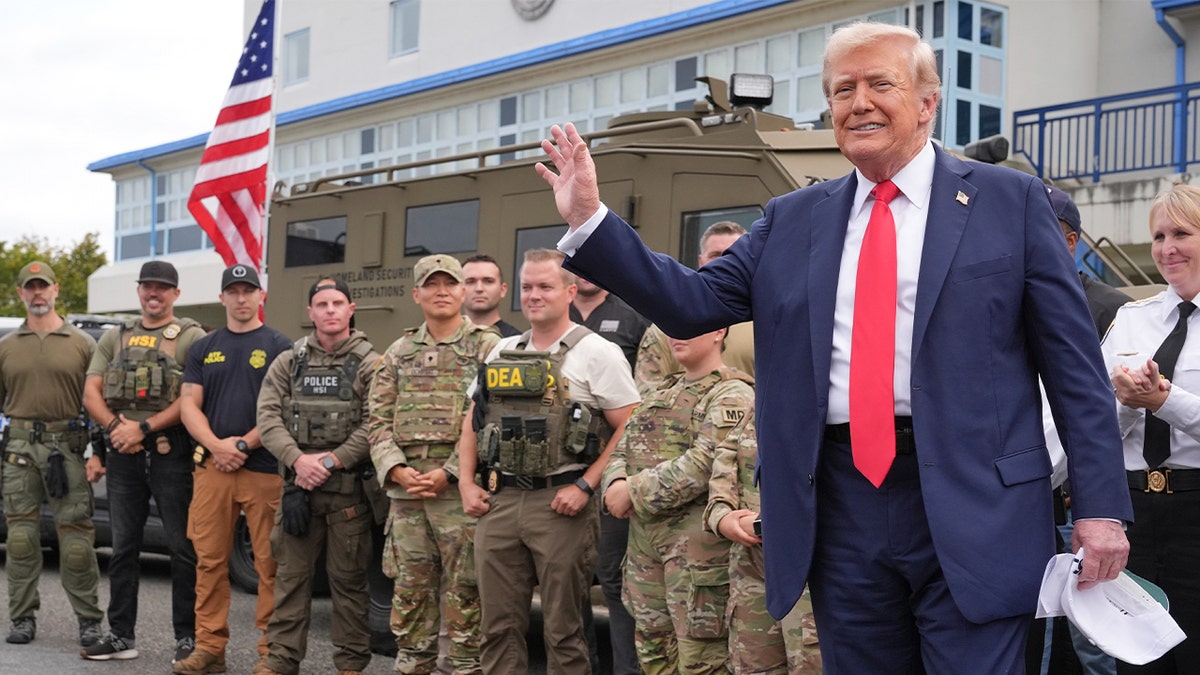
The United States government is intensifying its efforts to reshape the global approach to counterterrorism, urging international allies to designate far-left and “antifa-aligned” groups as terrorist threats. This strategic pivot, led by the Trump administration, marks a significant departure from traditional U.S. Security priorities, which have historically focused on threats originating from the Middle East.
At the center of this initiative is a concerted push by the State Department to coordinate with key partners in Europe, Canada, and Australia. The administration is advocating for the deployment of counterterrorism tools—specifically those used to freeze finances and restrict travel—against violent leftist organizations. However, the move has sparked significant debate within the U.S. Government and among international partners regarding the evidence supporting such designations and the potential politicization of national security.
The shift in strategy comes amid a climate of heightened domestic tension and follows a high-profile political assassination that administration officials have used as a catalyst for the crackdown. While the White House frames the move as a necessary step to protect the American people from a “vast domestic terror movement,” some officials caution that the focus on the far left may undermine broader, more established counterterrorism efforts.
A Global Campaign Against ‘Antifa-Aligned’ Terrorism
The Trump administration’s current strategy involves leveraging diplomatic channels to ensure that the fight against far-left extremism is not limited to U.S. Borders. Monica A. Jacobsen, a top counterterrorism official at the State Department, has been the primary architect of this outreach. Last month, Jacobsen called upon her counterparts in Europe, Canada, and Australia to join the United States in targeting these groups.
The administration’s objective is to treat “antifa-aligned terrorism” with the same severity as other designated terrorist organizations. This would involve utilizing global financial intelligence to disrupt the funding of violent leftist groups and implementing travel bans or restrictions to prevent the movement of suspected operatives across borders. By pushing allies to adopt similar measures, the U.S. Aims to create a synchronized international front against far-left militancy.
Despite these efforts, the push has been met with hesitation from some allies. The primary point of contention is the perceived lack of evidence that far-left groups currently present a dire or systemic threat comparable to the international terrorist networks the world has fought for decades. This tension highlights a growing divide in how different democratic nations define “terrorism” versus “domestic political violence.”
The Catalyst: The Assassination of Charlie Kirk
Much of the current administration’s urgency can be traced back to the assassination of Charlie Kirk. In the aftermath of the killing, President Donald Trump and his top advisors have used the event to justify a comprehensive crackdown on what they term the “radical left.”

Stephen Miller, the administration’s top policy adviser, has been particularly vocal about the government’s intent. Miller described the far-left as a “vast domestic terror movement” and vowed to use every available resource within the Department of Justice and Homeland Security to “identify, disrupt, dismantle and destroy these networks.” Miller explicitly stated that these actions would be carried out “in Charlie’s name.”
However, the narrative of a coordinated “terror network” has been challenged by the evidence presented in court. In Utah, where Kirk was fatally shot, law enforcement officials provided details regarding the suspect, Tyler Robinson. According to court filings, Utah County Attorney Jeffrey Gray laid out seven counts against Robinson, including aggravated murder.
The evidence presented thus far suggests a more isolated motive than a systemic conspiracy. Court documents reveal that when asked by his father and roommate why he committed the crime, Robinson stated that Kirk “spreads too much hate” and that he “had enough of his hatred.” Investigators have noted that there was no indication that Robinson was a member of a specific group or operating under the direction of a particular leader.
Concerns Over the Politicization of National Security
The decision to pivot counterterrorism resources toward domestic political opponents has raised alarms among some U.S. Officials. The concern is that by focusing on the far left, the administration is effectively politicizing the machinery of national security, which could lead to the erosion of trust in intelligence agencies.
Critics within the government argue that the focus on “antifa-aligned” groups is a strategic distraction from increasing threats in other regions, particularly the Middle East. There is a growing worry that if counterterrorism tools are used based on political affiliation rather than verified threats of mass-casualty violence, the effectiveness of these tools will be diminished when facing genuine international threats.
the discrepancy between the rhetoric of a “vast network” and the reality of a lone actor in the Kirk case has led to questions about the factual basis of the administration’s current policy. The tension remains between the executive branch’s desire for a decisive response to political violence and the intelligence community’s requirement for evidence-based threat assessments.
Key Takeaways: The Shift in U.S. Counterterrorism Strategy
- Global Expansion: The U.S. Is pressing Canada, Australia, and European nations to target the finances and travel of far-left groups.
- New Terminology: The State Department is specifically targeting what it calls “antifa-aligned terrorism.”
- Political Catalyst: The assassination of Charlie Kirk and the subsequent rhetoric from Stephen Miller have driven the push for a federal crackdown.
- Evidence Gap: While the administration claims a “vast network” exists, court evidence in the Kirk case points to a lone suspect, Tyler Robinson, acting on personal grievances.
- Internal Friction: U.S. Officials have expressed concern that this shift politicizes national security and diverts attention from Middle Eastern threats.
As the Trump administration continues to press its allies, the international community will be watching to spot if these nations agree to the U.S. Definitions of terrorism or if they will maintain a distinction between domestic civil unrest and organized global terrorism. The outcome of these diplomatic efforts will likely determine whether “antifa-aligned” groups are formally designated as terrorist entities on a global scale.
The next critical checkpoint in this development will be the ongoing legal proceedings against Tyler Robinson in Utah, which may provide further clarity on whether the suspect had ties to any broader organization, potentially influencing the administration’s justification for its global campaign.
We invite our readers to share their perspectives on the balance between national security and political expression in the comments below.