
Shifting Sands: Trump Management’s Africa Policy and the Diplomatic Vacuum
The Trump administration’s approach to Africa has been marked by both assertive engagement and a growing diplomatic void, raising concerns among foreign policy experts about the long-term implications for U.S. influence on the continent. Recent reports detailing the recall of multiple U.S. ambassadors, coupled with key leadership departures within the State Department’s Africa Bureau, paint a picture of a policy landscape undergoing significant, and perhaps destabilizing, change.This article delves into the specifics of these developments, analyzes the administration’s stated rationale, and assesses the potential consequences for U.S. interests in Africa.
A Wave of Ambassadorial Recalls & Leadership Turnover
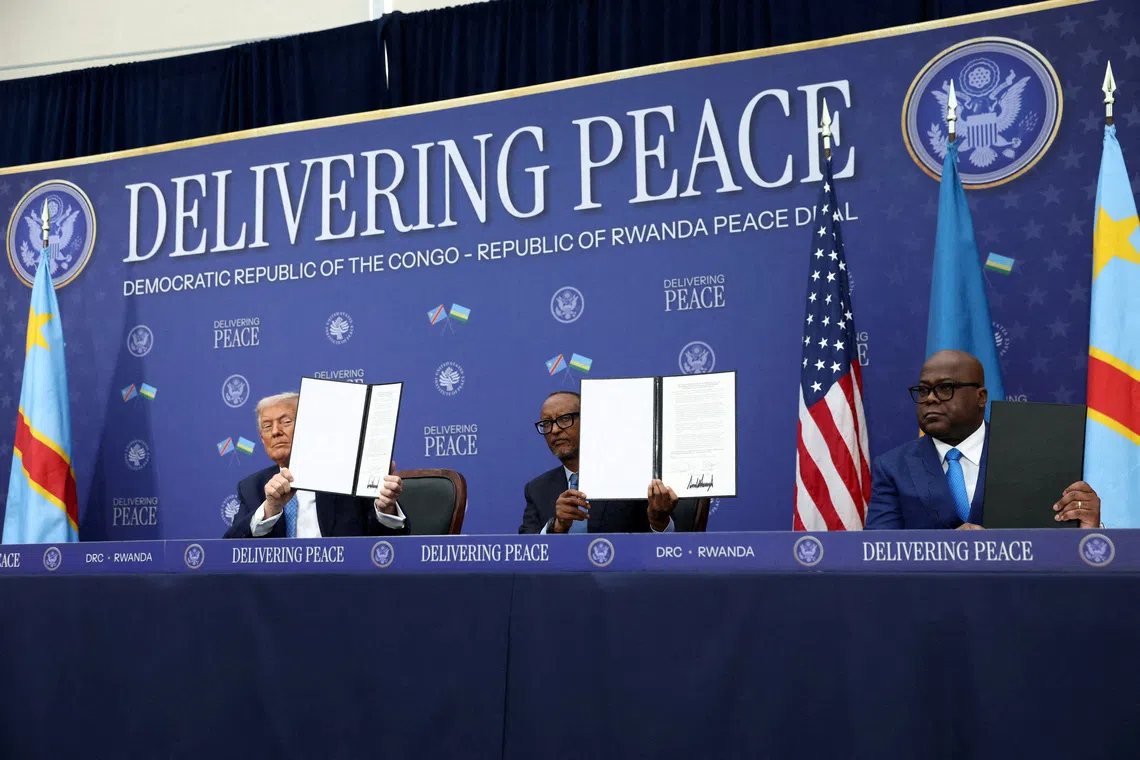
According to reporting from the Associated Press and confirmed by Reuters, the Trump administration has recalled ambassadors from several key African nations, including Rwanda, Nigeria, Niger, and others.This move coincides with a period of heightened tensions in specific regions. In Rwanda, the recall follows a significant advance by the M23 rebel group, widely believed to be backed by Rwanda, escalating instability in the Democratic Republic of Congo. Similarly, the recall from Nigeria comes amidst escalating concerns over religious violence and the administration’s threat of potential military action if the country fails to adequately protect Christians. The kidnapping of a U.S. missionary pilot in Niger further underscores the security challenges facing the region.
Beyond the ambassadorial level, the State Department’s Africa Bureau is experiencing a period of significant leadership turnover. Jonathan Pratt, the Senior Bureau Official for African Affairs, is retiring at the end of the year. His departure, alongside the earlier retirement of Troy Fitrell, means the bureau will have seen three different officials in the role during Trump’s second term.nick Checker will assume the position following Pratt’s departure, but the administration has yet to nominate a candidate for the crucial Senate-confirmed position of Assistant Secretary of State for African Affairs.
Administration Defends its Approach
Despite the apparent disruption, the Trump administration defends its Africa policy as a resounding success. Tommy Pigott, principal deputy spokesperson for the State Department, asserted that the administration is “delivering unprecedented success in advancing America’s national interests in Africa,” attributing these achievements to President Trump’s leadership and the dedication of American diplomats. Pigott highlighted commercial and trade deals, as well as health and peace agreements, as evidence of this success.
though, critics argue that these successes are overshadowed by the growing diplomatic vacuum and the potential for miscalculation in a complex and rapidly evolving geopolitical landscape.
Expert Concerns: The Impact of a Diplomatic Void
The lack of confirmed ambassadors and senior leadership within the State Department raises serious concerns among former officials. Tibor Nagy, who served as the top Africa official during Trump’s first term, described the number of vacancies as “extremely high,” even acknowledging his assessment was based on observation rather than concrete data. He emphasized that even with high-level engagement from individuals like Ambassador Robert Boulos, the crucial follow-up work relies heavily on the embassy staff, which is hampered by these vacancies.
Nagy further stressed the importance of a senate-confirmed Assistant Secretary of State for African Affairs, stating that the lack of a nominee “definitely can hurt the operations of the bureau.” While acknowledging Checker’s qualifications, Nagy emphasized the need for a permanent, Senate-confirmed leader to provide stability and strategic direction.
A Broader Context: Shifting U.S. Priorities?
The changes in U.S. policy towards Africa are occurring within a broader context of shifting global priorities. The administration has frequently signaled a focus on great power competition with China and Russia, and a willingness to challenge conventional alliances. This approach has manifested in a more transactional approach to foreign policy, prioritizing short-term gains and direct economic benefits.
The administration’s focus on religious freedom, particularly in Nigeria, while laudable in principle, has also been criticized for potentially exacerbating existing tensions and overlooking the complex socio-economic factors driving conflict. The threat of military action, while intended to deter violence, could further destabilize the region and undermine U.S. efforts to promote long-term stability.
Looking ahead: Implications for U.S. Influence
The current situation presents a number of challenges for U.S. interests in Africa. A weakened diplomatic presence could hinder the ability to effectively mediate conflicts, promote economic advancement, and counter the growing influence of other global powers, including China and Russia. The lack of consistent leadership within the State Department could also lead to policy incoherence and missed opportunities.
The incoming administration will face the task of rebuilding trust with African partners, filling key diplomatic positions, and developing


![Wednesday News: Latest Updates & Headlines – [Date]](https://assets.thelocal.com/cdn-cgi/rs:fit:1200/quality:75/plain/https://apiwp.thelocal.com/wp-content/uploads/2025/12/watermarks-logo-AFP__20190103__1BY3RT__v1__MidRes.jpg@webp "Wednesday News: Latest Updates & Headlines – [Date]")