
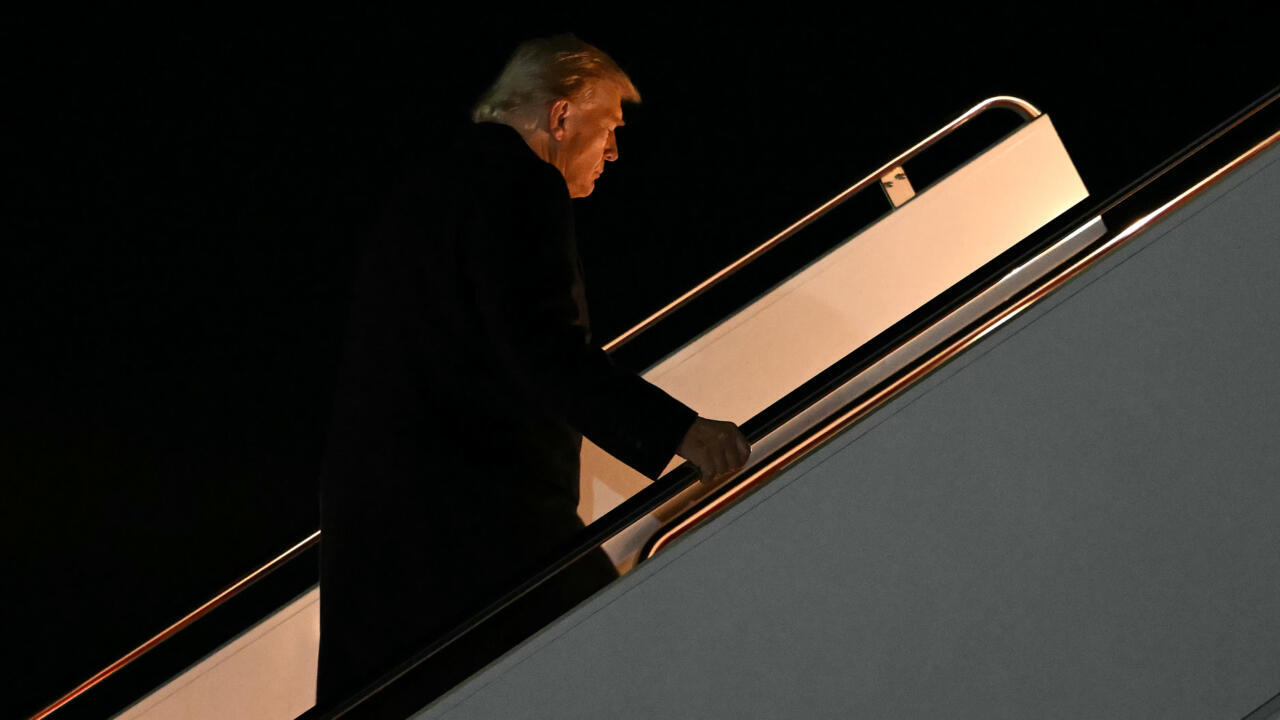
Trump Embarks on High-Stakes Asia Trip Focused on Trade, Security, and Geopolitical Influence
Donald Trump has begun a important tour of Asia, aiming to reshape economic relationships and address critical security concerns. This trip marks a pivotal moment in his second term, building on previous diplomatic efforts and signaling a renewed focus on the Indo-Pacific region. His itinerary includes stops in Malaysia, Thailand, Japan, and South Korea, culminating in a highly anticipated meeting with Chinese President Xi Jinping.
A Packed schedule of Bilateral Meetings and Regional Summits
The journey is densely packed with diplomatic engagements. Trump’s agenda includes solidifying trade agreements, fostering regional stability, and tackling pressing global issues. Here’s a breakdown of key events:
* Malaysia: He is set to finalize a trade deal with Malaysia. More importantly, he will witness the signing of a historic peace accord between Thailand and Cambodia.
* Thailand & Cambodia: This accord represents a significant diplomatic achievement,potentially furthering Trump’s aspirations for recognition through awards like the Nobel Peace Prize.
* Brazil: A meeting with Brazilian President Luiz inacio Lula da Silva is planned to mend strained relations following a period of disagreement.
* Japan: Trump will meet with Japan’s newly appointed Prime Minister Sanae Takaichi, a protégé of the late Shinzo Abe, a close ally. Japan has largely avoided the tariffs imposed by the U.S. on other nations.
* South Korea: The Asia-Pacific Economic Cooperation (APEC) summit in Busan will be a central focus. He will engage with South Korean President Lee Jae Myung, address business leaders, and convene with U.S. tech executives.
* China: The meeting with Xi Jinping is arguably the most crucial event of the trip, offering a chance to de-escalate the ongoing trade war.
navigating the US-China Trade Relationship
The economic stakes are notably high as Trump prepares to meet with Xi Jinping. Global markets are keenly observing this encounter, hoping for a resolution to the trade tensions initiated earlier this year.
Initially, Trump threatened to cancel the meeting and imposed new tariffs in response to China’s restrictions on rare-earth exports. However,he ultimately decided to proceed with the talks. The core issues include:
* Tariffs: Reversing or modifying the sweeping tariffs implemented by the Trump management.
* Rare Earths: Addressing China’s control over the supply of critical rare-earth minerals.
* Trade Imbalances: Reducing the significant trade deficit between the United States and China.
Addressing the Fentanyl Crisis and Security Concerns
Beyond trade, Trump intends to address the escalating fentanyl crisis with Xi Jinping. He will urge China to increase efforts to curb the trafficking of this deadly opioid. Together, the administration plans to intensify its crackdown on Latin American drug cartels.
You can expect a firm stance on these issues, reflecting the administration’s commitment to protecting American lives and national security. This demonstrates a broader strategy of addressing the root causes of the opioid epidemic.
A Region in Transition: Implications for Global Stability
this trip underscores the United States’ continued commitment to the Indo-Pacific region. It’s a region undergoing rapid transformation, with shifting geopolitical dynamics and increasing economic interdependence.
Your understanding of these developments is crucial as they will shape the global landscape for years to come. Trump’s efforts to forge stronger alliances,resolve trade disputes,and address security challenges will undoubtedly have far-reaching consequences.
Ultimately,this Asia trip represents a significant possibility for the Trump administration to advance its foreign policy objectives and solidify its position on the world stage.


