
The Fragile State of America’s Public Health Defense
Public health is under threat, and you deserve to understand why. A strong public health infrastructure is the bedrock of a safe and thriving society, yet it currently faces unprecedented challenges. Accurate data,evidence-based guidelines,and a coordinated national response are vital – and increasingly,they are at risk.
Why Robust Public Health Matters to You
Consider how public health directly impacts your life.
* Reliable health statistics inform the decisions you make about your well-being.
* Effective health programs protect you and your family from preventable diseases.
* Disease tracking allows doctors to provide the best possible care when you’re sick.
* Rapid vaccine advancement and distribution, as demonstrated during the COVID-19 pandemic, safeguard communities.
The pandemic underscored the critical need for strong laboratory science,a unified emergency response system,and swift access to effective medical interventions.Misinformation,rampant on social media,further complicates matters,making it harder to discern fact from fiction.
The CDC: A Cornerstone in Crisis
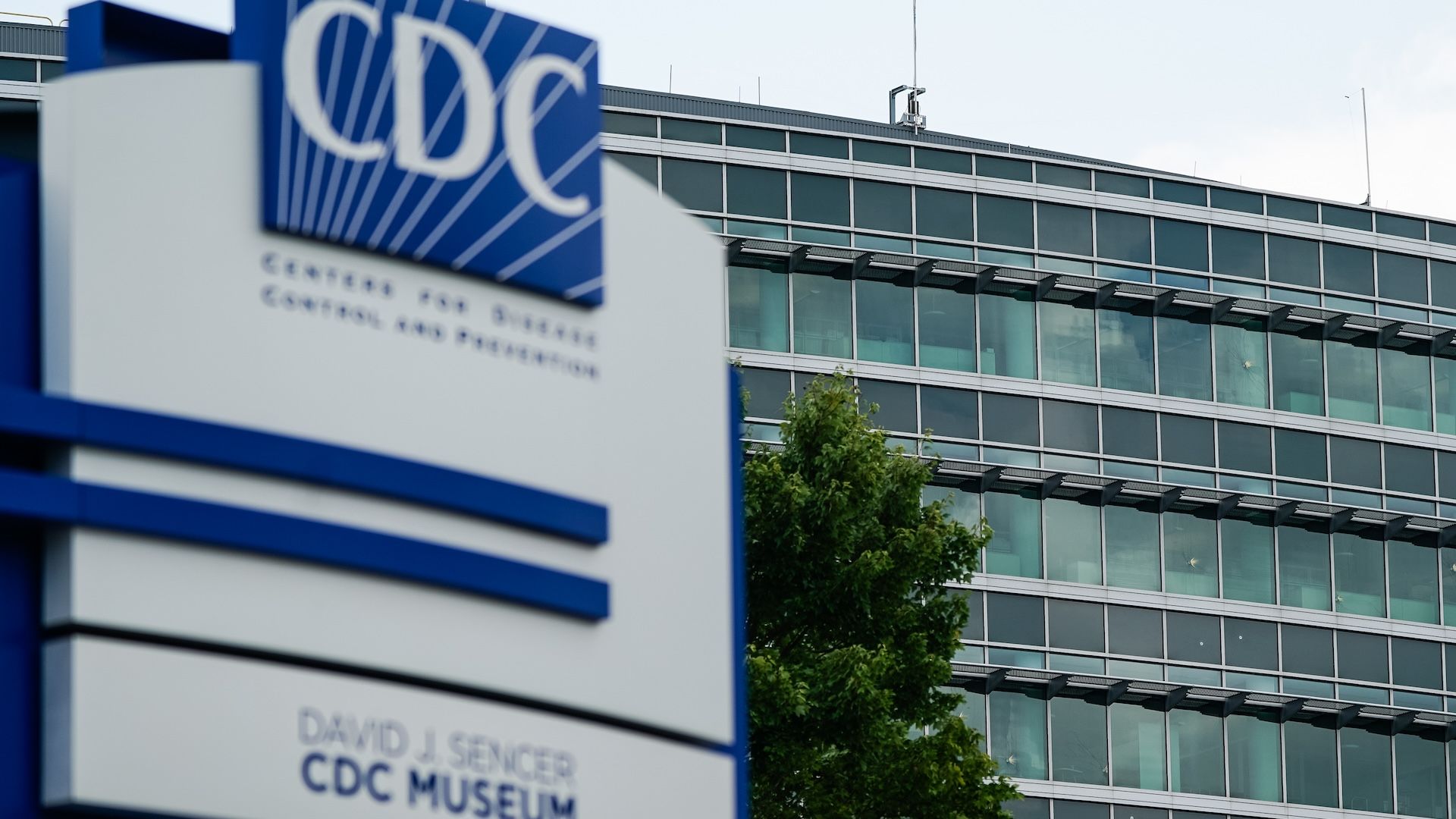
For over eight decades, the Centers for Disease Control and Prevention (CDC) has served as the nation’s leading public health institution.Its vast reach and unparalleled expertise have been instrumental in tackling countless health crises. however, the agency is now facing a precarious situation.
One of the strengths of the American system is its ability to address challenges – including public health – through collaboration. A federal framework that supports and unifies state-level efforts is essential. Currently, that coordination is being undermined.
What’s at Stake?
A weakened CDC and a fragmented public health system have serious consequences.
* Delayed responses to outbreaks: Without a strong national coordinating body, identifying and containing emerging threats becomes substantially harder.
* Erosion of public trust: Political interference and a lack of clear, consistent messaging can erode public confidence in health recommendations.
* Increased vulnerability to future pandemics: A diminished capacity to prepare for and respond to future health emergencies puts everyone at risk.
* Disparities in health outcomes: Vulnerable populations are disproportionately affected when public health systems are weakened.
Protecting public health isn’t a partisan issue; it’s a fundamental responsibility. It requires sustained investment, unwavering support for scientific integrity, and a commitment to collaboration at all levels of government. Your health, and the health of your community, depends on it.



![Back-to-School Diagnostics: Improve Student Learning with Data [Podcast]](https://i0.wp.com/kevinmd.com/wp-content/uploads/Design-3-1-scaled.jpg?resize=330%2C220&ssl=1 "Back-to-School Diagnostics: Improve Student Learning with Data [Podcast]")


