President Donald Trump engaged in an intense, closed-door confrontation with Senate Republicans on June 13, 2024, during a lunch meeting at the National Republican Senatorial Committee headquarters in Washington, D.C. The session, intended to foster party unity, devolved into heated exchanges regarding pending legislation, including a contentious debate over executive authority on foreign policy and military engagement, specifically concerning potential Iran war powers restrictions. According to reports from Politico, the meeting was marked by sharp disagreements between the former president and several high-profile GOP senators, highlighting ongoing internal tensions regarding legislative priorities and leadership style.
The meeting occurred as Senate Republicans navigate a complex legislative calendar, balancing party loyalty with individual constituent interests and constitutional interpretations of presidential war powers. The friction centered on legislative maneuvers that some senators viewed as necessary checks on executive power, while others, including the former president, characterized them as detrimental to party cohesion. As documented by The Washington Post, the intensity of the exchange underscored a broader struggle for influence within the Republican Party as it prepares for future electoral cycles.
The Origins of the Legislative Conflict
The tension during the lunch session was fueled by disagreements over the scope of the War Powers Resolution and how congressional oversight should interact with executive branch foreign policy decisions. While the specific legislative text regarding Iran remained a focal point of private debate, senators expressed concerns about the implications of restricting or expanding presidential authority in high-stakes geopolitical theaters. Associated Press reporting confirmed that the former president directly challenged senators who indicated support for measures that would limit his ability to act unilaterally in military conflicts.
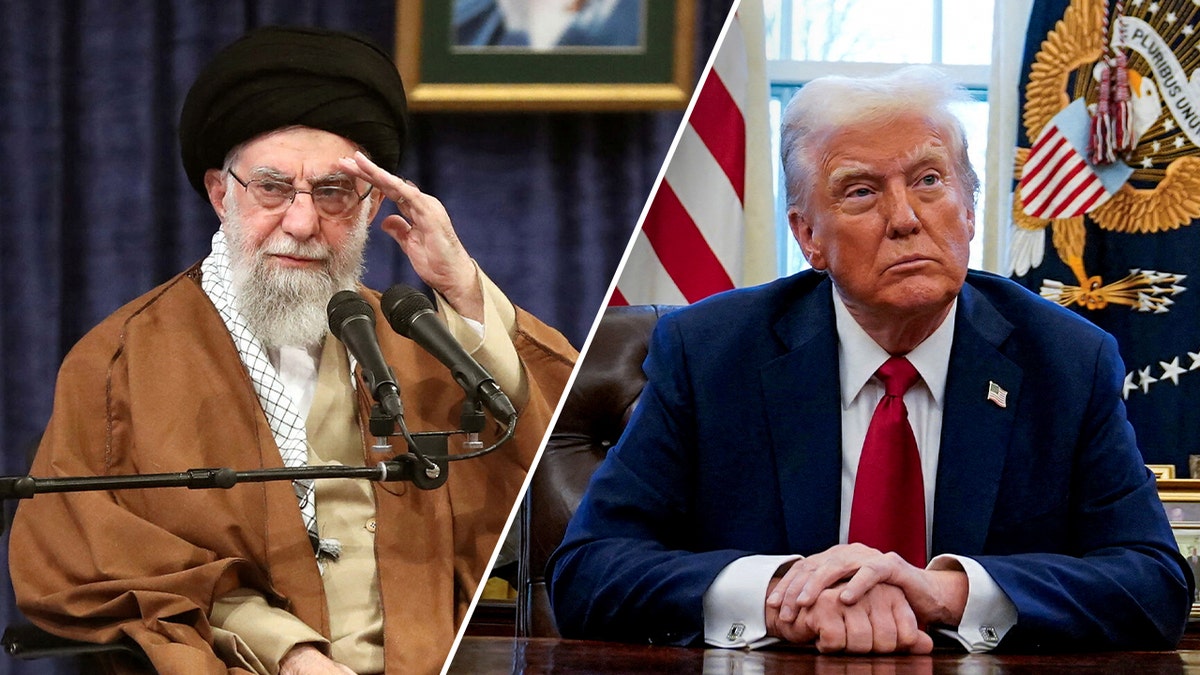
This conflict reflects a long-standing debate within the Republican caucus regarding the balance of power between the Article I and Article II branches of government. Historically, some members of the party have championed a robust, independent executive, while others—particularly those sensitive to the political fallout of prolonged foreign engagements—have sought to reassert the legislative branch’s constitutional role in authorizing military force. The debate over Iran-related restrictions serves as a proxy for these deeper philosophical divisions.
Interactions with Individual Senators
The closed-door nature of the event allowed for candid, often confrontational, dialogue. Multiple outlets reported that the former president singled out specific senators who had previously expressed hesitation or opposition to his preferred legislative agenda. According to CNN, the exchange grew particularly heated when the discussion turned to the political risks of certain voting patterns in the Senate. The former president reportedly demanded greater alignment, framing dissent as a liability for the party’s success in upcoming elections.
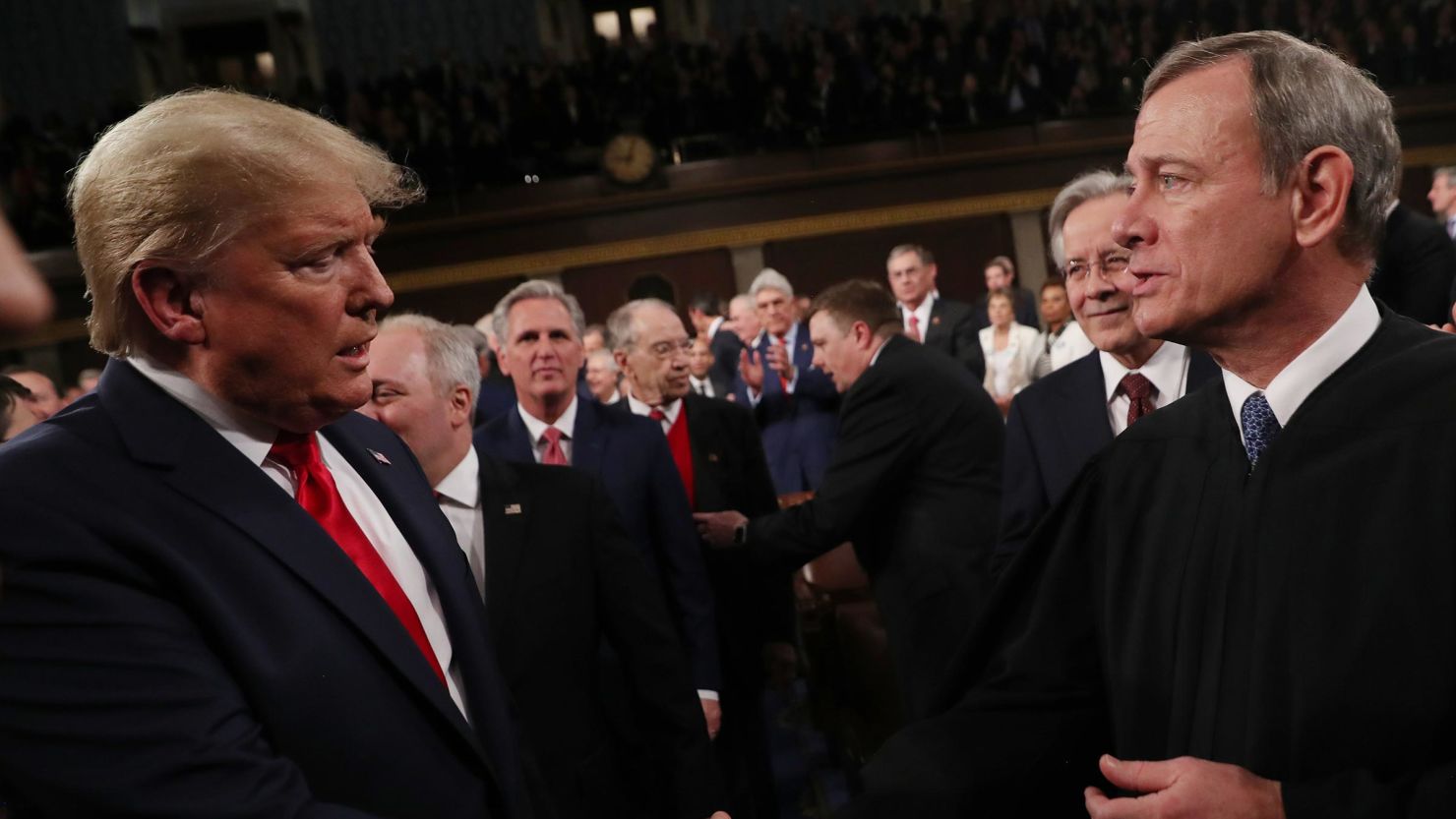
Senators who participated in the meeting later described the atmosphere as “intense,” with some noting that the former president’s direct approach left little room for nuanced policy debate. The confrontation, while private, quickly became a topic of public discourse, illustrating the challenge of maintaining party discipline in an era of heightened political polarization. The lack of a unified front on legislative strategy has become a recurring theme as the Senate leadership attempts to reconcile the former president’s demands with the legislative realities of a closely divided chamber.
What Happens Next in the Legislative Session
Following the meeting, Senate leadership faces the difficult task of reconciling the former president’s expectations with the procedural requirements of the Senate floor. The U.S. Senate legislative calendar indicates that several critical votes are pending, and the fallout from this meeting may influence the whip counts for upcoming measures. Observers are closely watching how individual senators—particularly those up for re-election in competitive states—position themselves in the wake of the former president’s public reprimands.
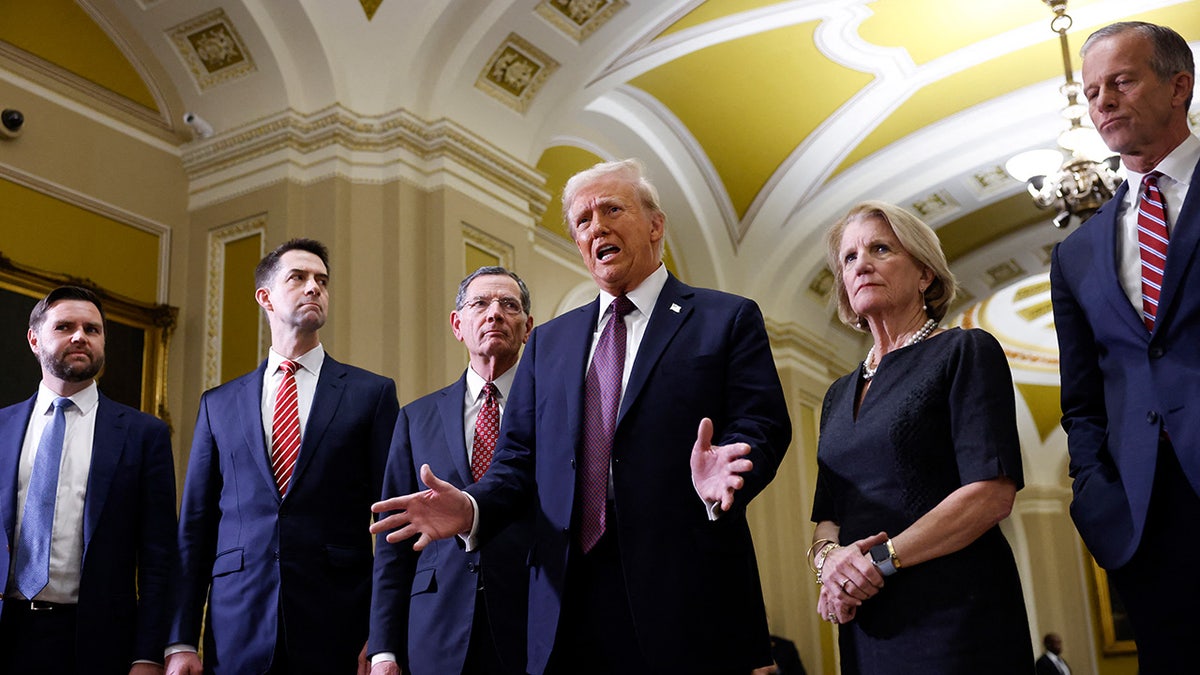
The next major checkpoint for the Senate will be the upcoming series of votes on appropriations and foreign policy authorization, where the influence of the former president’s visit will be tested. Legislative analysts suggest that the meeting may have solidified the divide between those who prioritize total alignment with the former president and those who seek to maintain more traditional legislative autonomy. Further updates on these proceedings are expected to be released via the official Senate floor proceedings as the legislative week concludes.
The dynamics of this meeting underscore the ongoing transformation of the Republican Party’s internal power structures. As the Senate continues its work, the ability of leadership to manage these internal disputes will likely determine the efficacy of the party’s legislative agenda for the remainder of the session. We encourage our readers to participate in the conversation by sharing their perspectives on the role of executive versus legislative power in our comment section below.
- Elizabeth Warren Demands Answers From RFK Jr. Over “Calamitous” Cyclosporiasis Outbreak Response
- Swimming Banned in 4 Provinces Due to Bad Weather and High Waves: Red Flags Raised
- Crisis Aboard US Aircraft Carrier: Crew Struggles and Trump’s Response (world-today-news.com)
- Crypto, AI, and Prediction Market CEOs Expect Trump at Next Week Summit (newsdirectory3.com)