Nigeria’s Christian Persecution: A Crisis Deepening & International Response
The escalating violence targeting Christians in Nigeria has become a focal point of international concern, prompting calls for stronger action from the United States and a re-evaluation of aid strategies. Recent kidnappings, including the abduction of over 300 students from a Catholic school in eastern Nigeria, underscore a deeply troubling trend. This article delves into the complexities of religious persecution in Nigeria,examining the current situation,the international response,and potential pathways toward resolution. Understanding the nuances of this crisis – including the drivers of conflict, the impact on communities, and the role of external actors – is crucial for informed discussion and effective intervention.
Did You Know? Nigeria accounted for 69% of all Christians killed globally for their faith in the past year, according to Open Doors’ 2024 World Watch List. This statistic highlights the disproportionate level of danger faced by Christians within the country.
The Current Situation: A Wave of Abductions and Violence
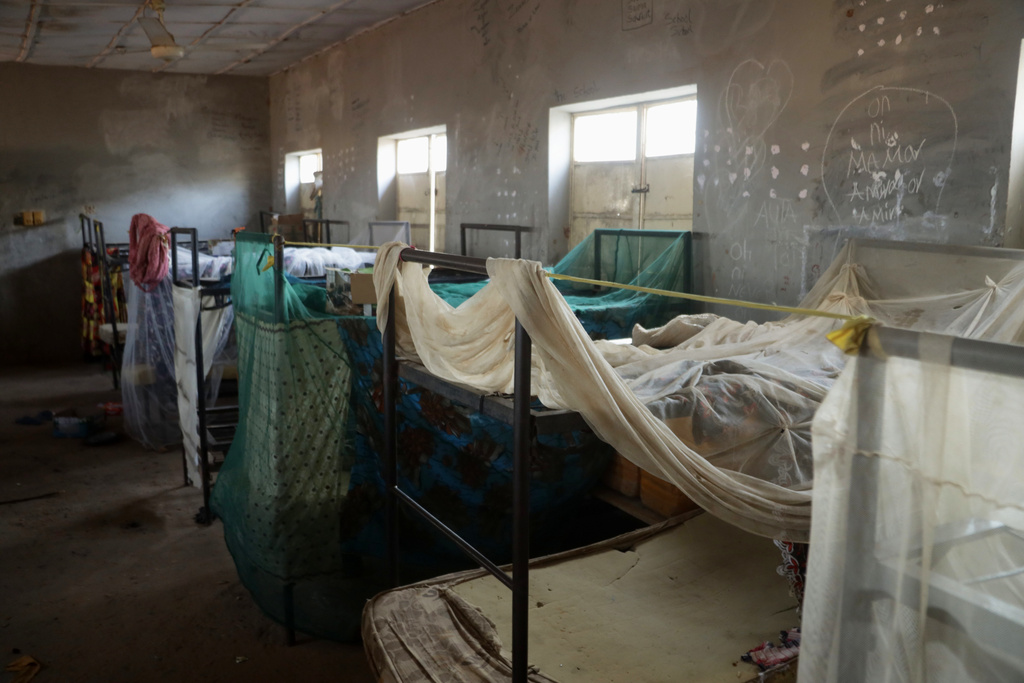
The recent mass abduction of 303 students (with 50 escaping) from a Catholic school in eastern Nigeria is just the latest, and particularly harrowing, example of the insecurity plaguing the region.Simultaneously, another 25 children, predominantly Muslim, were kidnapped in a separate attack, demonstrating that violence isn’t solely targeted at one religious group, though Christians bear the brunt of religiously motivated attacks. these incidents occur against a backdrop of ongoing clashes between farmers and herders,often fueled by religious and ethnic tensions,and the persistent threat posed by extremist groups.
The situation is particularly acute in the middle Belt region, where competition for resources and historical grievances intersect with religious differences. Reports indicate a pattern of targeted attacks on Christian communities, including church burnings, displacement, and killings. The scale of the violence is staggering; a recent report by the International Society for Civil Liberties and rule of Law (ISCLR) estimates that over 5,000 Christians have been killed in Nigeria since 2019. (Source: https://www.intersociety-ng.org/)
Pro Tip: Stay informed about the situation in Nigeria by following reputable organizations like Open Doors USA (https://www.opendoorsusa.org/), the International Crisis Group (https://www.crisisgroup.org/), and Amnesty International (https://www.amnesty.org/) for up-to-date reports and analysis.
International Response & US Leverage
The United States has been increasingly vocal about the situation in Nigeria, with the Trump administration initially threatening military intervention against Islamic militants and now focusing on leveraging aid as a tool for change. President Trump has expressed outrage over the killings of Christians, stating, “We’re not going to allow that to happen,” and has hinted at cutting the approximately $1 billion in annual aid provided to Nigeria.
This stance is supported by members of Congress like rep. Chris Smith (R-NJ),who advocates for conditionality in aid,stating that assistance should be contingent on demonstrable efforts to end the “horrific slaughter.” the proposed conditionality would require the Nigerian government to take concrete steps to protect religious freedom and hold perpetrators of violence accountable.
Beyond governmental action, prominent figures like recording artist Nicki Minaj have used their platforms to raise awareness about the plight of Christians in Nigeria. Minaj, alongside faith leaders and U.S. ambassador to the U.N. Mike Waltz, has highlighted the burning of churches, the tearing apart of families, and the pervasive fear experienced by Christian communities. This increased visibility is crucial for galvanizing international support and pressuring the Nigerian government to address the crisis.
Question for you: Do you believe that conditioning aid is an effective strategy for addressing human rights abuses in countries like Nigeria? Why or why not?
Addressing the Root Causes: Beyond Immediate Responses
While immediate responses like aid conditionality and increased international pressure are critically important, a lasting solution requires addressing the underlying causes of the violence. These include:
* Economic Inequality: Competition for scarce resources, exacerbated by climate change and poverty, fuels tensions between farmers and herders.
* Weak Governance: