
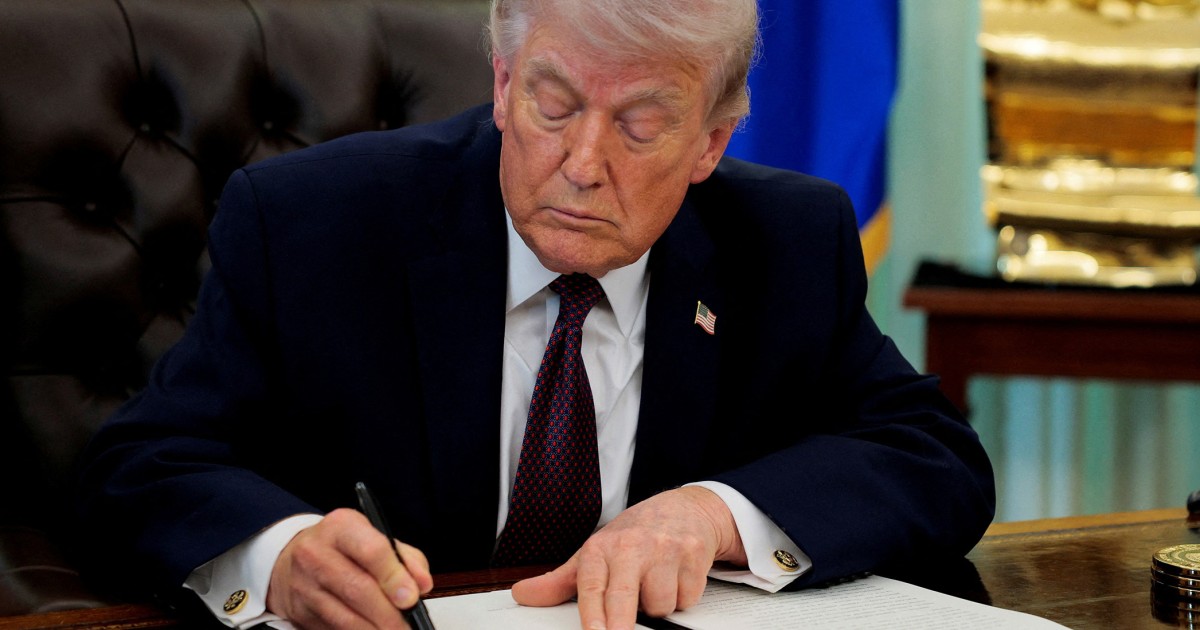
President Donald Trump has signed an executive action to pay Transportation Security Administration (TSA) employees, moving to resolve a payroll crisis that has triggered widespread disruptions at U.S. Airports. The move comes as a unilateral attempt to bypass a stalled Congress and provide immediate relief to security agents who have gone without pay during a prolonged government impasse.
The executive order is designed to provide a momentary reprieve for the federal workforce after weeks of instability. TSA agents had been missing work or resigning entirely, leading to hours-long security lines and significant travel delays across the United States. This action follows a collapse in congressional negotiations over the funding of the Department of Homeland Security (DHS), which has been shut down since February according to reporting on the DHS shutdown.
As a veteran of global news reporting with over 16 years of experience, I have seen various iterations of federal funding battles, but the current situation presents a unique constitutional tension. By directing the Department of Homeland Security and the White House Office of Management and Budget to release funds without a fresh congressional appropriation, the administration is testing the boundaries of executive spending power in the face of a legislative deadlock.
The Funding Mechanism: The “One Big Beautiful Bill Act”
A central point of contention and curiosity has been the origin of the funds used to pay the TSA agents. The Trump administration has confirmed that the money is being drawn from unspent funds within a previous Republican tax and spending bill known as the One Big Beautiful Bill Act as identified by budget experts.
The executive order specifically instructs the Homeland Security secretary and the director of the Office of Management and Budget to utilize funds that maintain a “reasonable and logical nexus to TSA operations.” The goal is to provide employees with the compensation and benefits they would have accrued had the “Democrat-led DHS shutdown” not occurred per the administration’s directives.
Though, this solution is viewed by many as a temporary fix. Since the administration is relying on existing, unspent allocations from a prior year’s legislation, the duration for which this funding can sustain the TSA workforce remains unclear. Without a formal budget agreement from Congress, the administration may eventually exhaust these specific reserves.
Congressional Deadlock and the House Freedom Caucus
The necessity of the executive action stems from a breakdown in the legislative process. While the Senate reached a milestone on Friday, March 27, 2026, by approving Homeland Security funds for the TSA and most other agencies, the agreement excluded funding for immigration operations—the primary point of conflict in the budget impasse as reported by AP News.
The effort to end the shutdown stalled in the House of Representatives. Members of the conservative House Freedom Caucus, including Rep. Andy Biggs (R-Ariz.) and Rep. Andy Harris (R-Md.), signaled that they would not vote for the Senate’s version of the funding bill according to reports from the Capitol. This internal Republican divide, despite efforts by Speaker of the House Mike Johnson (R-La.), left the DHS without a formal appropriation, prompting the President’s direct intervention.
Key Stakeholders in the Funding Impasse
| Entity/Person | Position/Action | Impact on Shutdown |
|---|---|---|
| President Donald Trump | Signed executive order to pay TSA agents | Provided immediate, temporary pay to prevent airport collapse. |
| U.S. Senate | Approved funds for TSA/most agencies | Attempted to isolate immigration funding to restart other DHS services. |
| House Freedom Caucus | Opposed the Senate funding bill | Blocked the bill in the House, maintaining the shutdown. |
| TSA Employees | Went unpaid since February | Experienced financial hardship, leading to resignations and call-outs. |
Impact on Global Travel and Airport Security
The real-world consequences of the shutdown were felt most acutely at U.S. Aviation hubs. For weeks, travelers faced grueling wait times as the TSA workforce dwindled. Reports from major airports illustrated the severity of the crisis:
- John F. Kennedy International (JFK): Long lines were observed at Terminal 5 throughout late March via Getty Images documentation.
- Houston and Atlanta: Passengers reported hours-long security lines at Hartsfield–Jackson Atlanta International and Houston-area airports as documented by AP News.
- Philadelphia and Los Angeles: Security checkpoints remained understaffed, with federal officers struggling to manage passenger flow through late March as seen in field reports.
The executive order instructing the DHS to pay officers immediately was intended to stop the exodus of staff and stabilize the security screening process according to PBS Newshour. While agents began receiving paychecks earlier this week, the long-term impact on wait times remains to be seen, as morale and staffing levels grab time to recover.
Constitutional and Legal Implications
The President’s decision to unilaterally fund a government agency during a shutdown is a significant move that bypasses the traditional “power of the purse” granted to Congress under the U.S. Constitution. By using the One Big Beautiful Bill Act as a legal vehicle, the administration is arguing that the funds are already legally available and merely necessitate to be redirected to ensure national security and the functioning of transportation hubs.
Critics and budget experts note that this is a “momentary reprieve” rather than a systemic solution per CNBC analysis. The fundamental issue—the lack of an approved budget for the Department of Homeland Security—remains unresolved. As long as Congress is on recess or unable to reach a consensus on immigration operations, the stability of the DHS workforce will rely on executive maneuvers and the availability of unspent funds.
What Happens Next?
The immediate focus for travelers and federal employees is whether the influx of paychecks will translate into shorter lines at security checkpoints. However, the broader political resolution depends on the return of Congress from its two-week recess. The primary checkpoint for a permanent solution will be the next round of negotiations between the House leadership and the Senate to reconcile the funding for immigration operations with the rest of the DHS budget.
Until a formal spending bill is signed into law, the DHS remains in a precarious state, relying on executive orders to maintain essential services. We will continue to monitor the legislative developments and the operational status of U.S. Airports.
Do you have thoughts on the use of executive orders to bypass budget impasses? Share your comments below or share this article to join the conversation.