
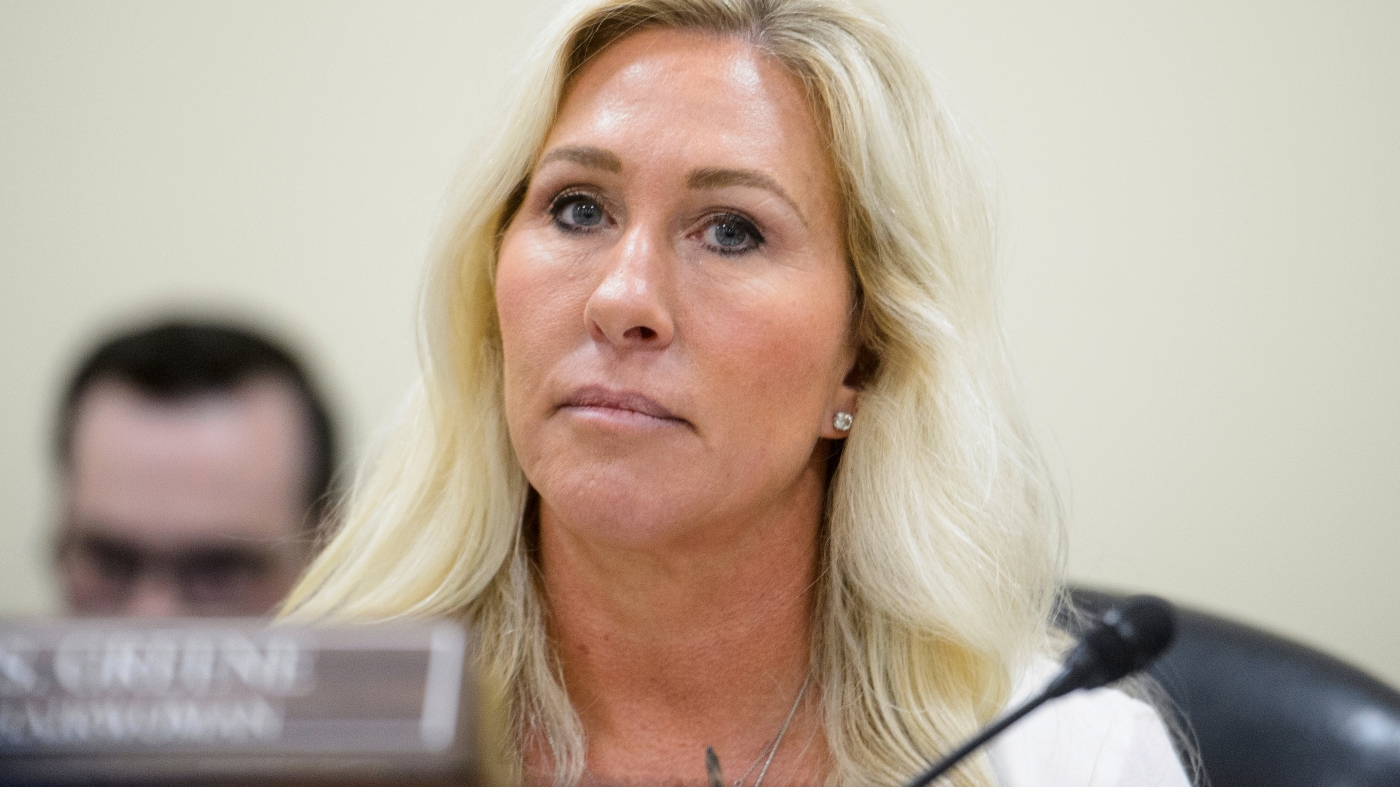
Marjorie Taylor Greene‘s Political Evolution: A Shift in Strategy?
Marjorie Taylor Greene, the controversial Republican representative from Georgia, has been captivating and confounding the political landscape for years. Recently, however, her public persona has undergone a noticeable change, sparking widespread speculation about her future ambitions.What’s driving this shift, and what dose it mean for the Republican party and American politics?
For a long time, Greene built her brand on unwavering loyalty to former President Donald Trump and a willingness to embrace far-right conspiracy theories. She quickly became a prominent voice within the party, known for her provocative statements and uncompromising stance. However, a potential run for Georgia governor never materialized when she announced in July she wouldn’t be a candidate.
A New Approach Emerges
Subsequently, Greene launched a critique of the established political order within her own state, decrying a “good ole boy” system she claimed threatened Republican dominance. This signaled a potential willingness to challenge the status quo, even within her own party. You’ve likely noticed a concerted effort to broaden her appeal in recent weeks.
This included a series of interviews and appearances geared toward audiences beyond her core supporters. When asked about a potential presidential run in 2028 during an October appearance on the Tim Dillon podcast,Greene expressed a surprising level of disillusionment with politics. She stated she simply wanted to “fix problems,” but notably stopped short of ruling out a future bid.
Mainstream Media Appearances Raise Eyebrows
The culmination of this shift came with appearances on two prominent mainstream media programs: Bill Maher’s “Real Time” on HBO and ABC’s “The View.” These appearances were particularly striking, as Greene engaged in relatively civil discourse and even criticized Republican House Speaker Mike Johnson for failing to address healthcare concerns.
Her critique of Johnson, a fellow conservative, was a particularly surprising move. It led to reactions of disbelief from some commentators and even prompted suggestions from “The View” hosts that she consider switching parties. “I feel like I’m sitting next to a completely different Marjorie Taylor Greene,” remarked co-host Sunny Hostin.
What Does This Mean?
This evolution raises several key questions. Is Greene genuinely moderating her views? Or is this a calculated strategy to position herself for a future run for higher office? It’s possible she’s attempting to broaden her base of support, appealing to voters who might have previously dismissed her as too extreme.
Here’s what you should consider:
* Expanding Appeal: Greene might potentially be trying to attract autonomous and moderate voters.
* Future Ambitions: A presidential run in 2028 remains a possibility, and this shift could be a stepping stone.
* Party Dynamics: Her willingness to criticize Republican leadership could signal a desire to reshape the party.
Ultimately, only time will tell what Greene’s long-term goals are. However,her recent actions demonstrate a clear willingness to adapt her strategy and engage with a wider audience. This is a progress worth watching closely, as it could have significant implications for the future of the Republican party and the broader American political landscape.





