
White House Circumvents GSA in Potential Demolition of Historic Federal Buildings – A Developing Story
The future of several historically critically important federal buildings in Washington, D.C., hangs in the balance as allegations surface that the White House is actively pursuing demolition plans without the involvement of the General Services Administration (GSA), the agency traditionally responsible for federal property management. This unprecedented move, revealed in a sworn declaration by former GSA official Mydelle Wright, raises serious questions about presidential overreach and the preservation of national heritage.
What are the Buildings at risk?
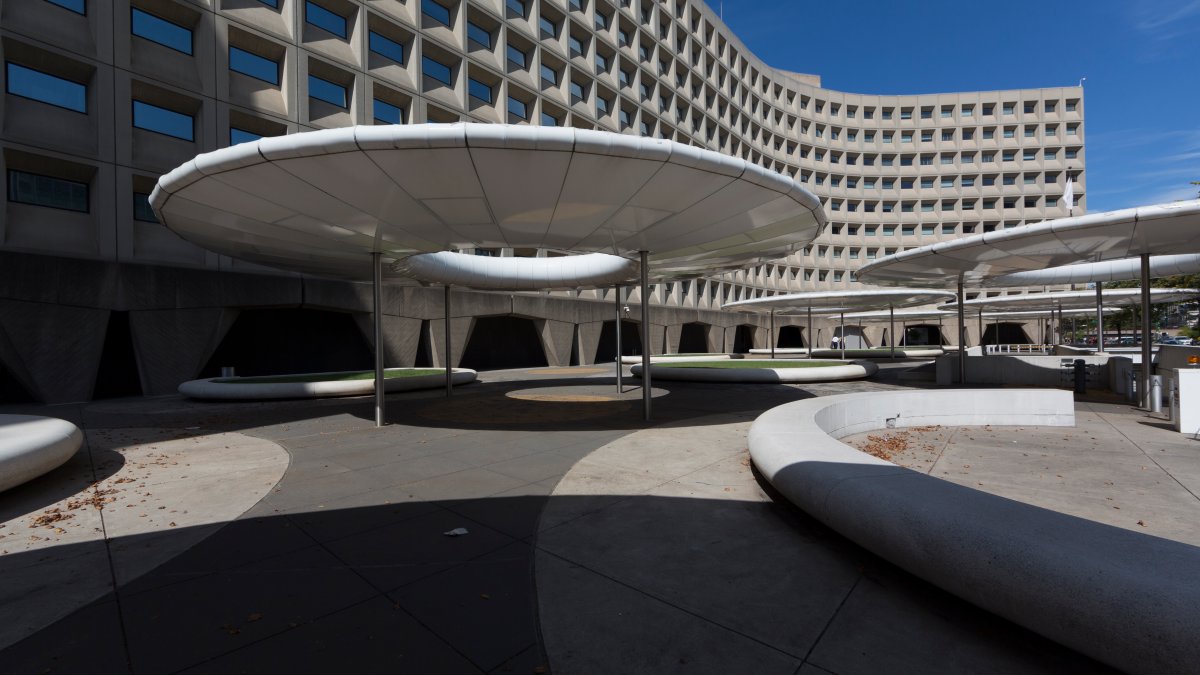
According to Wright’s declaration, the White House is considering demolishing four buildings, all with significant past value:
* Robert C. Weaver Federal Building: Home to the Department of Housing and Urban Development (HUD), this building represents a pivotal era in American social policy.
* Wilbur J. Cohen Federal Building: Housing offices for multiple departments,the Cohen Building is a key component of the federal administrative landscape.
* GSA Regional Office building: A significant example of mid-century modern federal architecture.
* Liberty Loan Building: While already slated for disposal by the GSA, its inclusion in the demolition consideration is noteworthy.
Several of these buildings are either listed on the National Register of Historic Places or designated as national Historic Landmarks, affording them a degree of protection under federal law.
Why is the GSA’s Exclusion Significant?
The GSA holds sole statutory authority over the stewardship, restoration, and management of federal buildings. Crucially, this includes ensuring compliance with the National Historic Preservation Act (NHPA) and the National Environmental Policy Act (NEPA).These acts mandate thorough review processes to assess the impact of any alterations or demolitions on historical and environmental resources.
Wright, who led a team responsible for the Eisenhower Executive Office Building‘s upkeep for 18 years before retiring in 2024, asserts that the White House’s actions bypass these critical safeguards. She highlights the unusual nature of direct presidential involvement, questioning, “Who in the agency is going to tell him ‘no’?” The concern isn’t simply about demolition; it’s about a potential erosion of established protocols designed to protect national assets.
What Does the GSA Say?
The GSA vehemently denies the allegations,dismissing them as “pure fake news” and a ”manufactured narrative.” In a statement to NBC News, GSA Associate Administrator for Strategic Communications, Marianne Copenhaver, emphasized the agency’s commitment to responsibly managing the federal real estate portfolio, including the disposal of “unneeded assets” in accordance with existing laws and regulations. Copenhaver also pointed to Wright’s departure from the agency over 20 months ago as a factor undermining the credibility of her claims.
The Context: A Lawsuit and Broader Concerns
This controversy emerged within the context of an ongoing lawsuit brought by historic preservation groups against the Trump administration regarding potential renovations to the Eisenhower Executive Office Building’s facade. Wright’s declaration was submitted as part of this legal challenge, suggesting a pattern of disregard for established preservation processes.
What are the Potential Implications?
The implications of the white House circumventing the GSA are far-reaching:
* Erosion of Institutional Safeguards: Bypassing the GSA sets a risky precedent, potentially weakening the checks and balances designed to protect national heritage.
* Legal Challenges: Any demolition proceeding undertaken without proper NHPA and NEPA compliance would likely face immediate legal challenges from preservation groups.
* Public Trust: the lack of clarity surrounding these plans raises concerns about accountability and public access to information regarding the management of federal assets.
* Historical loss: The demolition of these buildings would represent an irreversible loss of architectural and historical significance.
What Happens Next?
The situation remains fluid. The veracity of wright’s claims is under scrutiny, and the GSA’s denial raises questions about the source of the information. Further investigation and potential legal action will likely be necessary to determine the fate of these historic buildings. This developing story underscores the ongoing tension between modernization, cost-efficiency, and the preservation of America’s architectural and historical legacy.
Q&A Pairs:
1. Q: What is the core allegation regarding federal buildings in Washington D.C.?
A: The central claim is that the White House is considering demolishing four historic federal buildings – including those listed on the National Register of historic Places – without the involvement or approval of the General Services Administration (GSA), the


