
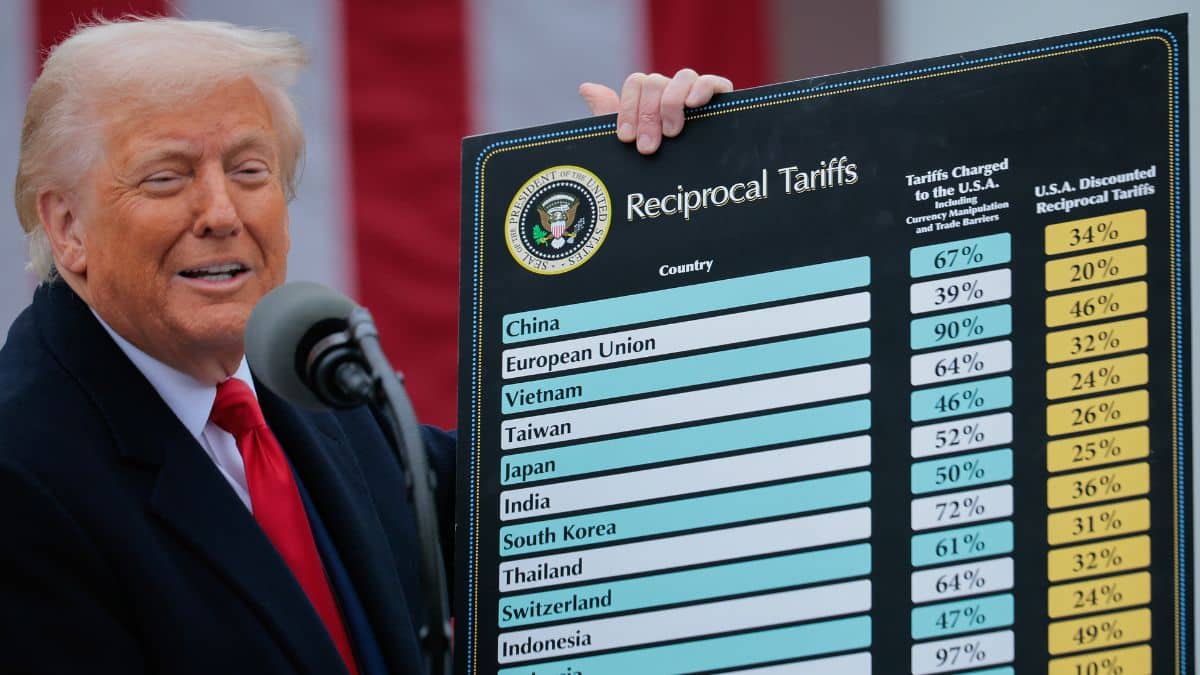
Washington D.C. – In a move poised to significantly reshape the pharmaceutical landscape and potentially reignite debates over trade and domestic manufacturing, former U.S. President Donald Trump has announced plans to impose a 100% tariff on certain drugs imported into the United States. The initiative, framed as a strategy to incentivize pharmaceutical companies to re-establish manufacturing facilities within American borders, has already sent ripples through global markets and sparked concern among healthcare providers and patient advocacy groups. This policy builds upon Trump’s previously revealed “Liberation Day” trade policy initiatives, signaling a renewed commitment to protectionist measures.
The announcement, detailed in letters posted on Trump’s Truth Social platform to major pharmaceutical companies including Regeneron, Merck, AstraZeneca, GSK, Pfizer, and others, underscores a broader effort to bolster domestic production across key industries. While the specific criteria for which drugs will be subject to the full tariff remain somewhat unclear, the overarching goal is to reduce reliance on foreign manufacturing, particularly from countries perceived as economic competitors. The move is expected to dramatically increase the cost of imported medications, potentially impacting access to essential treatments for millions of Americans.
The Rationale Behind the Tariffs: Reshoring and National Security
The core argument underpinning the proposed tariffs centers on the concept of “reshoring” – bringing manufacturing jobs and capabilities back to the United States. Trump has consistently argued that reliance on foreign supply chains, particularly for critical goods like pharmaceuticals, poses a national security risk. The COVID-19 pandemic exposed vulnerabilities in the global supply chain, leading to shortages of essential medications and medical equipment. This experience, according to proponents of the tariffs, highlighted the need for greater domestic self-sufficiency.
“For years, American pharmaceutical companies have outsourced production to countries with lower labor costs, resulting in job losses here at home and a dependence on foreign nations for life-saving drugs,” a statement released by Trump’s office explained. “These tariffs will create a powerful incentive for companies to invest in American manufacturing, creating jobs and strengthening our national security.” The administration believes that the increased costs associated with importing drugs will be offset by the economic benefits of a revitalized domestic pharmaceutical industry.
Impact on Pharmaceutical Companies and the Drug Supply Chain
The proposed tariffs are expected to have a significant impact on pharmaceutical companies, particularly those heavily reliant on foreign manufacturing. Companies like Regeneron, which recently saw its antibody cocktail used in the treatment of President Trump’s COVID-19 infection, may face increased costs and logistical challenges. Regeneron has expressed hope of avoiding the new tariffs, but the extent to which they will be successful remains uncertain.
The tariffs could too lead to price increases for consumers, particularly for generic drugs, which are often manufactured overseas. While the administration argues that reshoring will ultimately lower costs, critics contend that the immediate effect will be to make medications less affordable. The Pharmaceutical Research and Manufacturers of America (PhRMA), the industry’s leading trade association, has expressed concerns about the potential impact on patient access and innovation. The organization argues that tariffs will disrupt the complex global supply chain and could hinder the development of new drugs.
The Economic Implications: Trade Wars and Global Markets
The imposition of a 100% tariff on imported drugs is likely to escalate trade tensions with countries that are major pharmaceutical manufacturers, such as India and China. These countries could retaliate with their own tariffs on U.S. Exports, potentially leading to a broader trade war. The potential for such a conflict has already caused volatility in global markets, as evidenced by the reaction on Wall Street. As reported by L’Echo, Wall Street experienced a mixed session following the announcement, reflecting investor uncertainty.
Economists are divided on the likely long-term effects of the tariffs. Some argue that reshoring will create jobs and boost economic growth, while others warn that it will lead to higher prices, reduced competition, and a decline in innovation. The impact will likely depend on a variety of factors, including the extent to which companies are able to successfully relocate manufacturing facilities to the United States and the response of other countries.
The Regulatory Landscape and Potential Exemptions
The implementation of the tariffs will require navigating a complex regulatory landscape. The U.S. Trade Representative (USTR) will be responsible for determining which drugs will be subject to the tariffs and for establishing a process for companies to request exemptions. It is anticipated that exemptions may be granted for drugs that are deemed essential or for which there is no domestic alternative. Still, the criteria for granting exemptions remain unclear.
The Food and Drug Administration (FDA) will also play a role in ensuring the safety and quality of drugs manufactured in the United States. The agency will need to increase its oversight of domestic manufacturing facilities to prevent shortages and ensure that medications meet the same standards as those imported from other countries. The FDA has not yet issued a formal statement on the proposed tariffs, but officials have indicated that they are prepared to work with the USTR to mitigate any potential disruptions to the drug supply.
Trump’s Previous Engagement with Pharmaceutical Companies
This isn’t the first time former President Trump has engaged directly with pharmaceutical companies. During his first term, he publicly pressured companies to lower drug prices and even threatened to use government purchasing power to negotiate lower rates. In 2020, he received an experimental antibody cocktail from Regeneron for his treatment of COVID-19, sparking debate about access to experimental therapies. As detailed by UCHealth, the drug, REGN-COV2, was administered under a “compassionate use” request, highlighting the complexities of accessing unapproved treatments. He also posted letters to numerous pharmaceutical companies on his Truth Social platform, demonstrating a continued interest in the industry and its practices.
Potential Challenges to Implementation
Implementing a 100% tariff on imported drugs will present numerous challenges. One key hurdle will be ensuring that the tariffs do not disrupt the supply of essential medications. Another challenge will be addressing the potential for companies to circumvent the tariffs by shifting production to other countries. The administration will need to work closely with international partners to enforce the tariffs and prevent smuggling.

the tariffs could face legal challenges from pharmaceutical companies and other stakeholders. Opponents may argue that the tariffs are unconstitutional or violate international trade agreements. The legal battles could delay or even prevent the implementation of the tariffs.
The Broader Context of U.S. Trade Policy
The proposed tariffs on imported drugs are part of a broader trend towards protectionism in U.S. Trade policy. Trump has long advocated for policies that prioritize domestic manufacturing and reduce reliance on foreign imports. His administration imposed tariffs on steel and aluminum imports, as well as on goods from China, sparking a trade war that had significant economic consequences. The current proposal represents a continuation of this approach, albeit focused on a different sector of the economy.
The Biden administration has largely maintained the tariffs imposed by Trump, though it has sought to engage in negotiations with other countries to resolve trade disputes. The new tariffs on pharmaceuticals could signal a shift towards a more aggressive stance on trade, potentially leading to further tensions with key trading partners.
What Happens Next?
The next steps in the process will involve the USTR issuing a formal notice of the tariffs and establishing a process for companies to request exemptions. The agency is expected to hold public hearings to gather input from stakeholders before finalizing the rules. The implementation of the tariffs is likely to be phased in over time, allowing companies to adjust to the new regulations. The timeline for full implementation remains uncertain, but it is expected to take several months.
The pharmaceutical industry and patient advocacy groups will be closely monitoring the developments and lobbying against the tariffs. Legal challenges are also likely. The outcome of this debate will have a profound impact on the future of the pharmaceutical industry and the accessibility of medications for millions of Americans.
Stay informed: For the latest updates on this developing story, please check the U.S. Trade Representative’s website and follow reputable news sources. Share your thoughts and concerns in the comments below.