
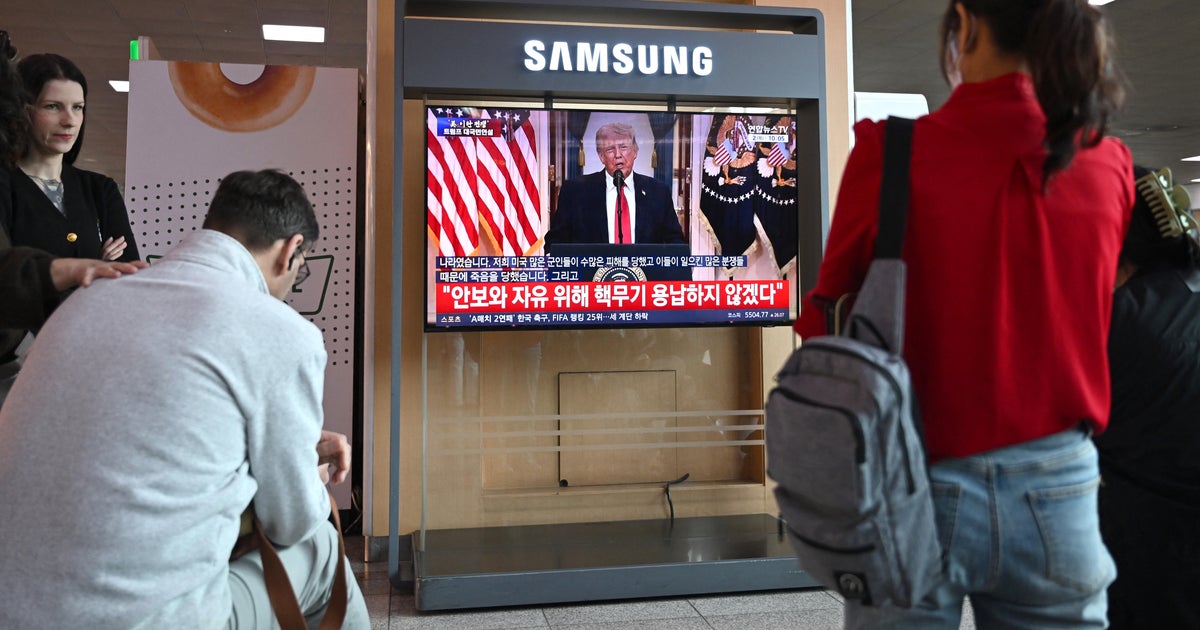
London, United Kingdom – Concerns over escalating tensions in the Middle East intensified Thursday as former U.S. President Donald Trump indicated a willingness to pursue a resolution to the conflict with Iran, while simultaneously signaling a continued hardline stance. The situation is further complicated by rising oil prices and uncertainty surrounding the crucial Strait of Hormuz, a vital global shipping lane. The evolving dynamics have prompted international observers to closely monitor developments, assessing the potential for wider regional instability. The current situation stems from recent exchanges between the U.S. And Iran following an Iranian attack on Israel, prompting a response from the U.S. And raising fears of a protracted conflict.
Trump, speaking to advisors, reportedly suggested he would be open to ending the conflict without demanding the reopening of the Strait of Hormuz, a critical waterway for global oil supplies, according to reporting from the Wall Street Journal. This stance appears to represent a potential shift in strategy, though the specifics remain unclear. However, other statements from the former president, as reported by multiple news outlets, suggest a continued commitment to a forceful response against Iran. The conflicting signals have created a degree of confusion among analysts and policymakers, highlighting the unpredictable nature of the situation.
Oil Prices Surge Amidst Geopolitical Uncertainty
The escalating tensions have already had a tangible impact on global markets, with oil prices experiencing a significant surge. Brent crude, the international benchmark, rose sharply on Thursday, reflecting investor anxieties about potential disruptions to oil supplies. The Strait of Hormuz, through which approximately 20% of the world’s oil passes, is a key choke point, and any closure or disruption would have severe consequences for the global economy. The potential for increased oil prices adds another layer of complexity to the situation, potentially impacting inflation and economic growth worldwide. According to data from the U.S. Energy Information Administration, the Strait of Hormuz is a critical transit route for oil destined for major markets in Asia, Europe, and North America.

CBS News reported that Trump indicated the conflict with Iran would likely continue for “weeks,” despite his willingness to explore a resolution. This timeline suggests a prolonged period of instability and uncertainty, further fueling concerns about the economic and geopolitical ramifications. The lack of a clear plan to secure the Strait of Hormuz, as highlighted by CBS News, is a particularly worrying development, raising the specter of potential disruptions to global trade and energy supplies. The potential for miscalculation or escalation remains high, given the complex and volatile nature of the region.
Conflicting Signals from Washington
The messaging coming from Trump has been characterized by a degree of ambiguity. While he has reportedly expressed a willingness to conclude the war, he has also repeatedly emphasized the need for a strong response to Iran. Fox News reported that Trump stated the U.S. Would continue to hit Iran “extremely hard” in the next phase of the conflict, despite suggesting Iran was “no longer a threat.” This contradictory messaging has raised questions about the former president’s overall strategy and intentions. NBC News reported that Trump initially stated the war would end “shortly,” but this claim was countered by Iran’s denial of requesting a ceasefire.
The Atlantic published an analysis questioning the wisdom of Trump’s recent speech, suggesting it may have been ill-advised given the sensitive nature of the situation. The article highlighted the potential for Trump’s rhetoric to further escalate tensions and undermine diplomatic efforts. Axios reported Trump’s claim that the U.S. Would bomb Iran “back to stone ages” over the next 2-3 weeks, a statement that drew widespread condemnation and raised concerns about the potential for a devastating conflict. These statements underscore the high stakes involved and the need for careful consideration of all potential consequences.
International Response and Potential Scenarios
The international community is closely monitoring the situation, with many countries urging restraint and calling for a diplomatic solution. The United Nations has called for de-escalation and emphasized the importance of upholding international law. Several countries have expressed concerns about the potential for a wider regional conflict and have offered to mediate between the U.S. And Iran. The European Union has also called for restraint and urged all parties to engage in dialogue. The potential for escalation remains a significant concern, and the international community is working to prevent a further deterioration of the situation.
Several potential scenarios could unfold in the coming weeks. One possibility is that the conflict could remain contained, with limited exchanges of fire between the U.S. And Iran. Another possibility is that the conflict could escalate, potentially involving other regional actors. A third possibility is that a diplomatic solution could be reached, leading to a de-escalation of tensions. The outcome will depend on a number of factors, including the actions of the U.S., Iran, and other key players in the region. The situation is highly fluid and unpredictable, and the potential for miscalculation or escalation remains high.
The Strait of Hormuz: A Critical Chokepoint
The Strait of Hormuz, located between Iran and Oman, is a strategically vital waterway. It is the world’s most vital oil transit chokepoint, accounting for approximately 20% of global oil consumption. Any disruption to shipping through the Strait of Hormuz would have a significant impact on global energy markets and the world economy. Iran has repeatedly threatened to close the Strait of Hormuz in response to sanctions or military action against it. The U.S. Navy maintains a significant presence in the region to ensure the free flow of commerce through the Strait of Hormuz. The potential for conflict in the Strait of Hormuz is a major concern for international policymakers.
The U.S. Energy Information Administration (https://www.eia.gov/international/analysis/regions/middleeast/hormuz) provides detailed information on the strategic importance of the Strait of Hormuz and the potential consequences of disruptions to oil supplies.
Key Takeaways
- Former President Trump has signaled a willingness to end the conflict with Iran, but also maintains a hardline stance.
- Oil prices have surged due to concerns about potential disruptions to oil supplies through the Strait of Hormuz.
- The situation remains highly volatile and unpredictable, with the potential for escalation.
- The international community is urging restraint and calling for a diplomatic solution.
- The Strait of Hormuz remains a critical chokepoint for global oil supplies, and any disruption would have significant consequences.
As the situation continues to evolve, the world awaits further developments with bated breath. The next key checkpoint will be the response from Iran to any potential U.S. Actions, and the subsequent impact on regional stability. We will continue to provide updates as they develop into available. Share your thoughts and analysis in the comments below.