
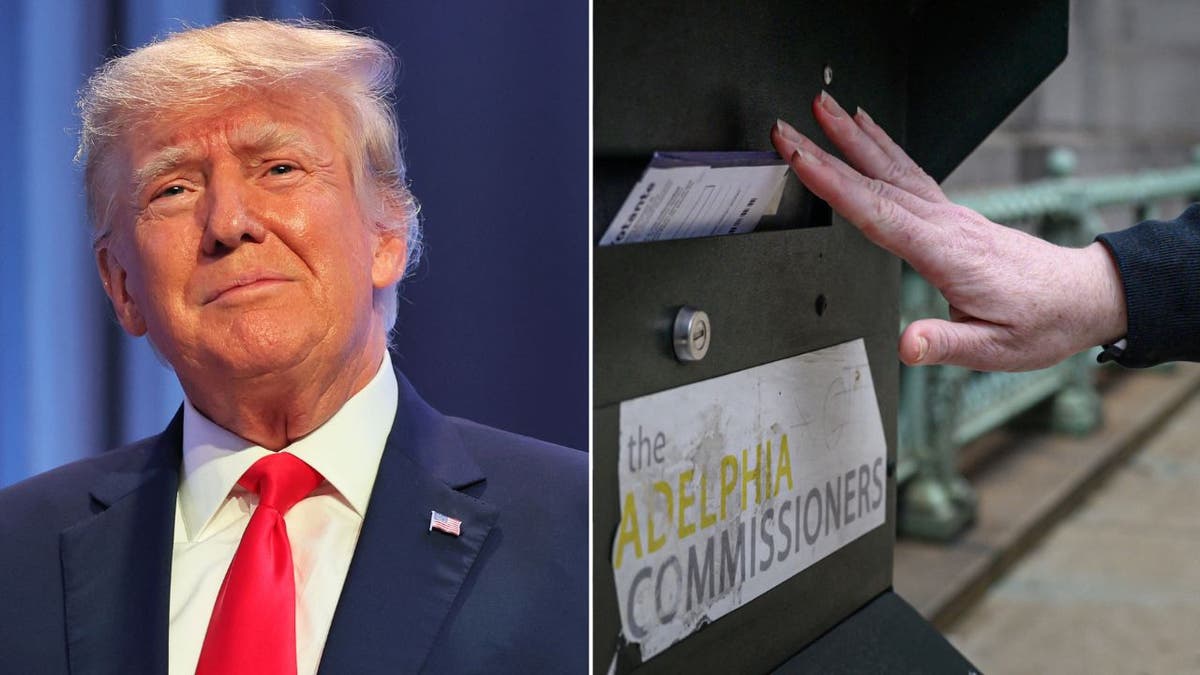
Washington D.C. – A series of legal challenges have been launched against the Trump administration following the issuance of a recent executive order concerning mail-in voting procedures. Democrats and civil rights groups allege the order infringes upon voting rights and oversteps the administration’s constitutional authority. The legal battles signal a deepening conflict over election integrity as the 2024 presidential election cycle gains momentum.
The executive order, signed by former President Trump, sought to establish federal oversight of certain aspects of mail-in voting, a practice that saw a significant increase in usage during the 2020 election due to the COVID-19 pandemic. Critics argue the order is a thinly veiled attempt to suppress voter turnout, particularly among demographics traditionally supportive of the Democratic Party. The core of the dispute centers on the extent of presidential power to regulate federal elections, which the Constitution largely reserves to the states.
Legal Challenges Mount Against Executive Order
The initial lawsuit was filed by the Democratic National Committee (DNC) and the Democratic Senatorial Campaign Committee (DSCC) in the U.S. District Court for the District of Columbia. According to the complaint, the executive order violates the Elections Clause of the Constitution, which grants states the primary responsibility for conducting elections. The DNC and DSCC contend that the order attempts to insert the federal government into areas traditionally managed by state and local election officials, creating confusion and potentially disenfranchising voters. Politico reported on the initial filing, highlighting the Democrats’ argument that the order is a politically motivated effort to undermine the electoral process.
Shortly after the DNC/DSCC lawsuit, several civil rights organizations, including the NAACP and the League of Women Voters, filed a separate legal challenge. Their complaint focuses on the potential for the executive order to disproportionately impact minority voters, voters with disabilities and voters in rural areas – groups who often rely on mail-in voting due to limited access to polling places or transportation challenges. The Guardian reported that these groups argue the order creates unnecessary hurdles to voting and could lead to widespread voter suppression. The Guardian detailed the civil rights groups’ concerns about the discriminatory impact of the order.
Expert Concerns Over Presidential Authority
Legal scholars are largely skeptical of the Trump administration’s claim that the executive order is within the bounds of presidential authority. Experts point to the Constitution’s explicit delegation of election administration to the states. NPR reported that many constitutional law experts believe the order is likely to be struck down by the courts. NPR highlighted the consensus among legal experts that the order faces significant legal hurdles.
The executive order specifically directs the Attorney General to review state election laws and identify any practices that the administration deems to be inconsistent with federal law. It also calls for the development of federal guidelines for mail-in voting, including requirements for voter identification and ballot security. Opponents argue these provisions represent an unwarranted intrusion into state sovereignty and could create a patchwork of conflicting regulations across the country.
Impact on Upcoming Elections
The timing of the executive order raises concerns about its potential impact on the upcoming 2024 elections. Several states are already grappling with changes to their voting laws, and the administration’s intervention could further complicate matters. Indiana, for example, is scheduled to hold its primary elections in May, and election officials are assessing how the executive order might affect their preparations. IndyStar reported on the potential impact in Indiana, noting the uncertainty surrounding the implementation of the order.

Wisconsin Governor Tony Evers publicly criticized the executive order, calling it a “bulls—t” attempt to undermine the democratic process. WPR quoted Governor Evers’ strong condemnation of the order, reflecting the widespread opposition among Democratic leaders.
The BBC’s Analysis of the Order
The BBC provided an overview of the executive order, noting that it attempts to change mail-in voting procedures, but faces significant legal challenges. BBC News highlighted the potential for the order to be blocked by the courts, given the constitutional concerns raised by legal experts.
The legal battles over the executive order are likely to be protracted and could ultimately reach the Supreme Court. The outcome of these challenges will have significant implications for the future of mail-in voting and the integrity of U.S. Elections. The core question remains whether the federal government has the authority to dictate how states conduct their elections, or whether that power is reserved to the states themselves.
Key Takeaways
- The Trump administration’s executive order on mail-in voting has triggered a wave of legal challenges from Democrats and civil rights groups.
- The lawsuits allege the order violates the Constitution and infringes upon states’ rights to administer elections.
- Legal experts are largely skeptical of the administration’s legal authority to issue the order.
- The timing of the order raises concerns about its potential impact on the upcoming 2024 elections.
The courts are expected to rule on the legality of the executive order in the coming months. The Department of Justice has not yet issued a formal response to the lawsuits, but is expected to defend the administration’s actions. Further updates will be provided as the legal proceedings unfold. We encourage readers to share their thoughts and engage in respectful discussion in the comments section below.