
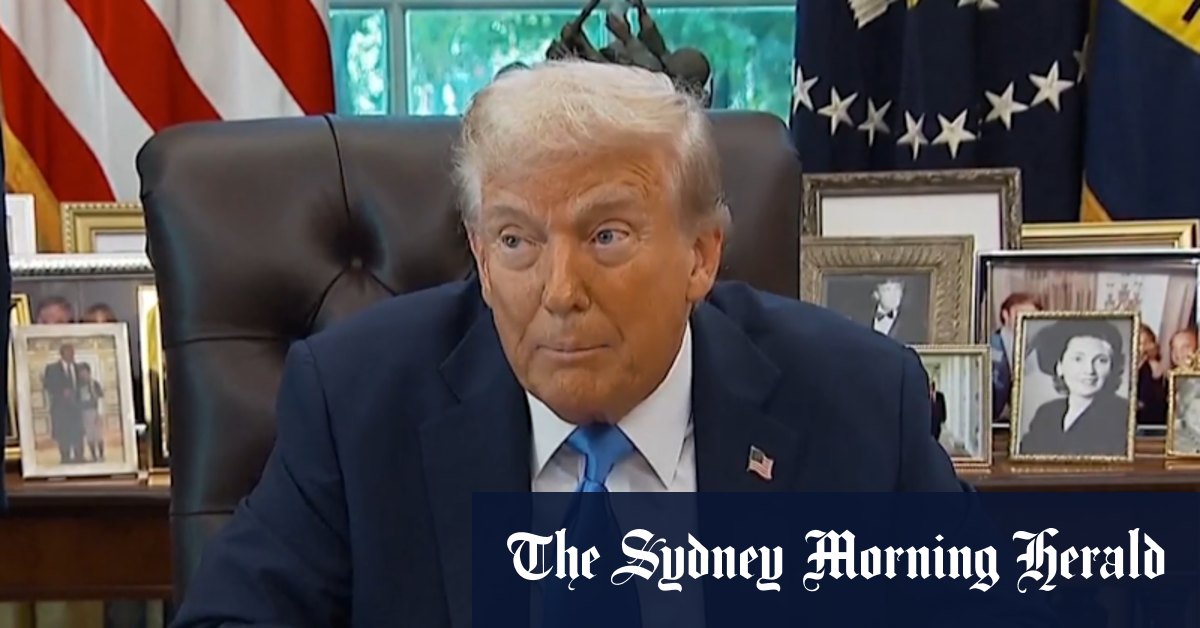
Rising Tensions: Trump Warns of Escalation After Russian incursion into Estonian Airspace
Donald Trump recently issued a stark warning, predicting “big trouble” following a concerning incident: the unauthorized entry of Russian military jets into Estonian airspace. This event has immediately heightened anxieties across the region and prompted a swift response from international allies.
Let’s break down what you need to know about this developing situation.
Understanding the Incident
Russian fighter jets briefly violated Estonian airspace on Saturday, September 20th.Estonian authorities quickly identified and tracked the aircraft, scrambling their own air defense assets in response. While the incursion was relatively brief, it represents a significant escalation in regional tensions.
Here’s what makes this event particularly noteworthy:
* Estonia is a NATO member. An attack on Estonian airspace is, thus, considered a potential attack on the entire alliance.
* It follows a pattern of increased Russian military activity. Over the past year, there’s been a documented rise in probing flights and exercises near NATO borders.
* The timing is sensitive. With ongoing conflicts elsewhere in europe, this incident adds another layer of complexity to an already volatile security landscape.
Trump’s Reaction and Concerns
Trump’s response, delivered via social media, was direct and forceful. He characterized the situation as possibly leading to “big trouble,” echoing concerns shared by many security analysts. His statement underscores a broader apprehension about the potential for miscalculation or escalation in the current geopolitical climate.
You might be wondering what specifically fuels these concerns. several factors are at play:
* Increased military posturing. Both Russia and NATO have been increasing their military presence in Eastern Europe.
* Ambiguity in red lines. The precise boundaries of acceptable behavior remain unclear, increasing the risk of accidental clashes.
* Domestic political considerations. internal pressures within Russia and NATO countries could influence decision-making.
What Happens Next?
The immediate aftermath of the airspace violation has involved diplomatic protests from estonia and expressions of solidarity from NATO allies. However, the long-term implications remain uncertain.
Here are some potential scenarios to consider:
- Increased NATO surveillance: Expect heightened monitoring of Russian military activity in the region.
- Strengthened air defenses: Estonia and neighboring countries may request additional air defense capabilities from NATO.
- Diplomatic efforts: Back-channel communications between major powers could be initiated to de-escalate tensions.
- Further provocations: Unluckily, there’s a risk of Russia conducting similar incursions to test NATO’s resolve.
It’s crucial to remember that this situation is fluid and evolving. Staying informed and understanding the underlying dynamics is essential for navigating this complex geopolitical landscape.
This incident serves as a stark reminder of the fragility of peace and the importance of maintaining a strong and unified response to potential threats.
As the situation unfolds, continued vigilance and diplomatic engagement will be paramount in preventing further escalation and safeguarding regional stability.


