US Scales Back Proposed Tariffs on Italian Pasta, Offering Relief to Consumers and Industry
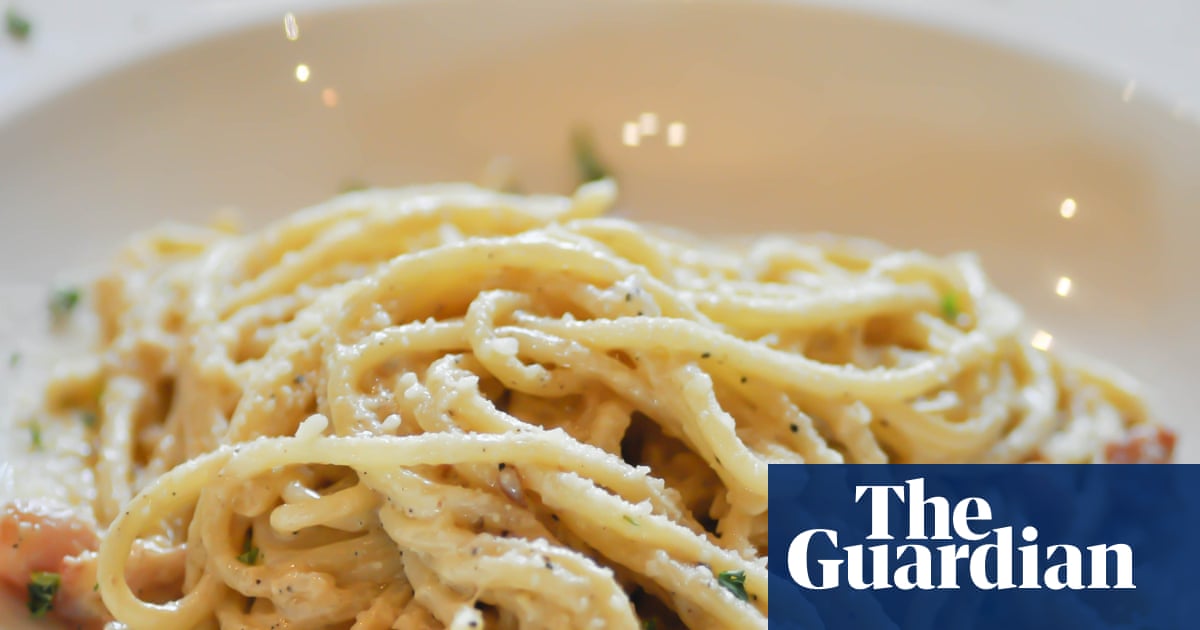
The US goverment has considerably reduced proposed tariffs on Italian pasta, averting a potential price surge for shoppers. Initially, tariffs threatened to nearly double the cost of popular brands. This decision follows concerns raised by the Italian government and industry leaders regarding the impact on trade and consumers.
Donald Trump’s management had previously signaled intentions to impose hefty tariffs – potentially reaching 92% – on 13 Italian pasta producers. These included well-known names like Barilla,La Molisana,and Pastificio Lucio Garofalo,accused of selling products at unfairly low prices. Italy currently accounts for approximately $770 million (roughly £570 million) in annual pasta sales to the US, making this a considerable economic consideration.
However, the US Department of Commerce (DoC) recently reviewed the proposed tariffs and has lowered them to a range of 2% to 14%. This adjustment offers a considerable reprieve, though additional duties will still be applied on top of the existing 15% tariff already in place on most goods imported from the EU into the US.
Here’s a breakdown of the revised tariff structure:
* La Molisana: 2.26%
* pastificio Lucio Garofalo: approximately 14%
* Remaining 11 Producers: 9.09%
The DoC emphasized that this is still a preliminary analysis. A final decision regarding the exact level of duties will be announced on March 12th. importantly,the DoC noted that Italian pasta makers have “addressed many” of their initial concerns.
Why the Shift? A Look at the Concerns and Responses
Coldiretti, Italy’s leading agribusiness association, had warned that the original tariffs would deliver a “fatal blow” to the Italian pasta industry. You can understand their concern, as the targeted companies represent roughly 16% of all pasta imported from Italy to America.
The European Commission also signaled its readiness to intervene if necessary, highlighting the broader implications for EU-US trade relations.
The Italian government views the recalculation as a positive sign. They believe it demonstrates the willingness of US authorities to recognize and value constructive cooperation from Italian companies.
beyond Pasta: Tariff Delays on other Goods
This adjustment to pasta tariffs isn’t happening in isolation.The US administration also announced a one-year delay in increased tariffs on upholstered furniture, kitchen cabinets, and vanities.
* Kitchen cabinet and vanity tariffs were scheduled to rise from 25% to 50% on january 1st.
* upholstered furniture tariffs were set to increase from 25% to 30%.
The White House maintains that these delays are intended to facilitate “productive negotiations with trade partners.” This suggests a broader strategy of using tariffs as leverage in ongoing trade discussions.
What This Means for You
As a consumer, you can expect to see less dramatic price increases on your favorite Italian pasta brands than initially feared. While some price adjustments are still likely, the revised tariffs offer a degree of stability.
For businesses involved in importing or selling Italian pasta, this provides a more predictable environment for planning and operations. Though, it’s crucial to stay informed about the final decision on March 12th and any further developments in US trade policy.
Ultimately, this situation underscores the complex and often unpredictable nature of international trade. Continued monitoring and adaptation will be key for both businesses and consumers navigating this evolving landscape.