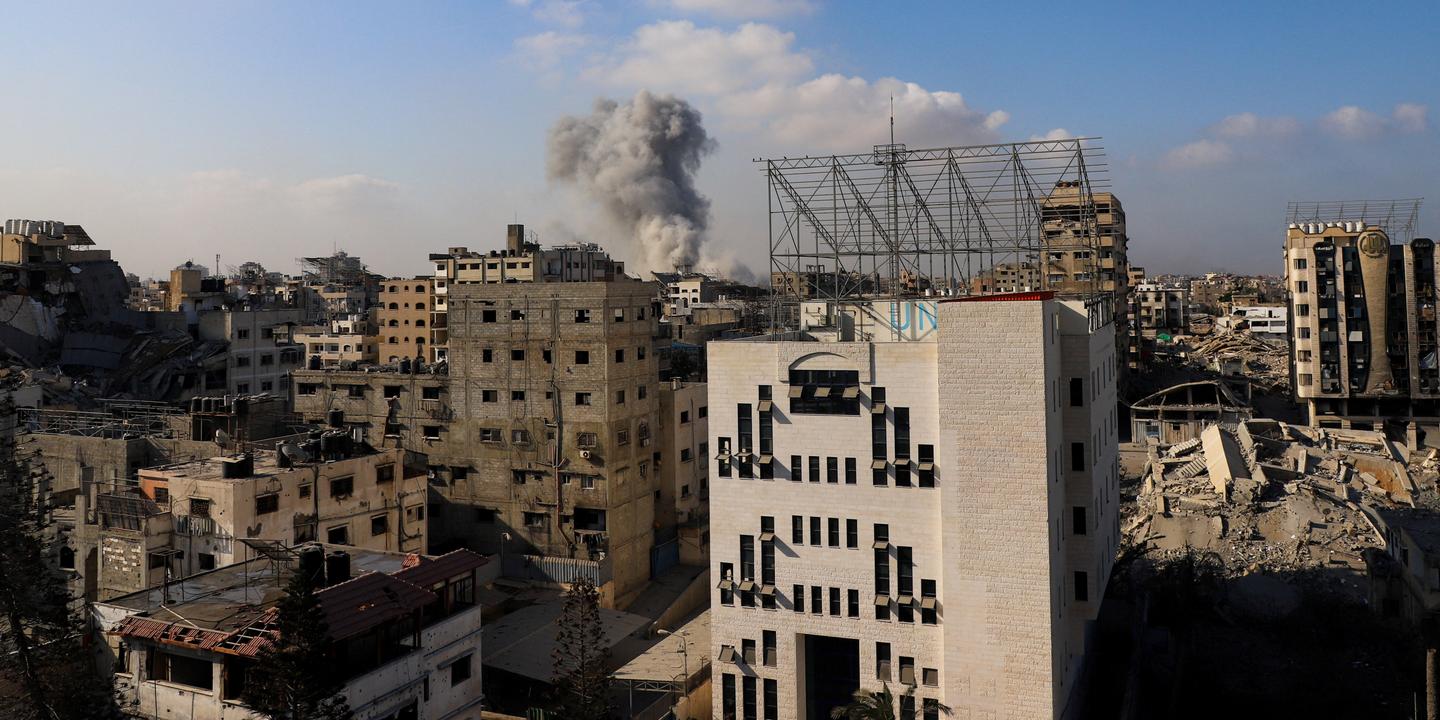
Escalating Tensions: Israeli Strikes target Hezbollah Arms Depot in Lebanon
Recent developments signal a worrying escalation of conflict between Israel adn Hezbollah. On Sunday, the Israel Defense Forces (IDF) announced a direct strike on what they claim was a Hezbollah arms depot located in southern Lebanon. This action underscores the fragile peace currently holding, and raises concerns about a potential resurgence of full-scale hostilities.
The IDF statement was firm, asserting that this depot served as a critical hub for planning and executing attacks against Israel. Furthermore, they maintain that hezbollah’s infrastructure within Lebanon directly violates existing agreements between the two nations.
Reports from the Ground
Concurrently, Lebanon’s official National News Agency (ANI) reported a series of israeli airstrikes impacting areas near Kfar Rumman and Jurmok. A drone strike also reportedly targeted a residence in Humin, all located in southern Lebanon. These reports paint a picture of a coordinated and intensified Israeli response.
A History of Conflict & Recent Ceasefire
You might recall that Hezbollah initiated operations against Israel shortly after the October 7th, 2023 attacks, declaring their actions in solidarity with Hamas.This quickly spiraled into open warfare, continuing until a ceasefire took effect on November 27th. However, even with the ceasefire in place, Israel has continued to conduct regular strikes against perceived Hezbollah targets within Lebanon.
This ongoing pattern demonstrates a clear message: Israel remains vigilant and prepared to respond to perceived threats emanating from Hezbollah.
The Pressure on Hezbollah
Currently, Hezbollah faces mounting pressure – both internally and externally - to disarm and cede control of its weaponry to the Lebanese state. The Lebanese army has even developed a plan to begin disarming Hezbollah,starting with the southern regions bordering Israel.
However, the pro-Iranian group remains steadfast in its refusal to relinquish its arms. This intransigence is a key factor fueling the current instability.
Here’s a breakdown of the key issues at play:
* Violation of Agreements: Israel alleges Hezbollah’s presence and activities violate existing accords.
* Regional Alignment: Hezbollah’s strong ties to Iran and support for Hamas are central to the conflict.
* Internal Lebanese Politics: The push for Hezbollah’s disarmament highlights internal divisions within Lebanon.
* Fragile Ceasefire: The continued Israeli strikes demonstrate the tenuous nature of the current ceasefire.
What does This Mean for You?
The situation is incredibly fluid and carries significant regional implications. Continued escalation could destabilize the entire region, potentially drawing in other actors. It’s crucial to stay informed and understand the complexities driving this conflict.
as this situation unfolds, we’ll continue to provide updates and analysis, helping you navigate this challenging geopolitical landscape. The coming days and weeks will be critical in determining whether this latest exchange of fire will remain contained, or escalate into a wider conflict.
[Image of Israeli airstrike near Jarmaq, South Lebanon, September 28, 2025. Credit: RABIH DAHER/AFP]