
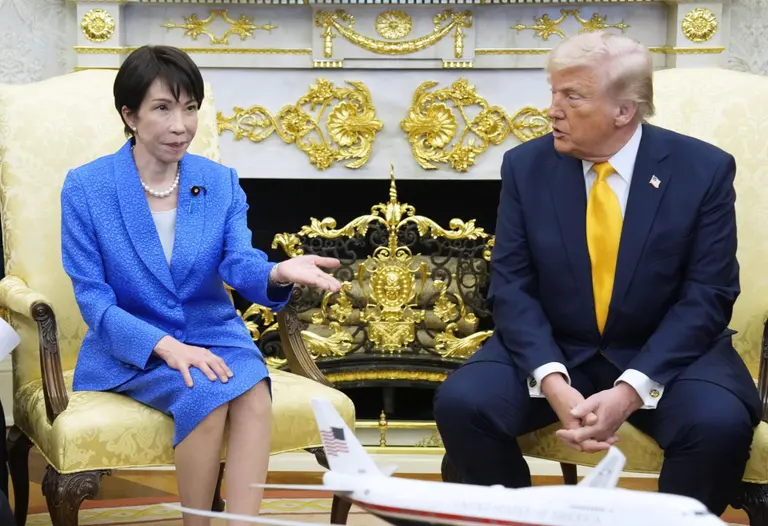
Washington D.C. – A recent meeting between U.S. President Donald Trump and Japanese Prime Minister Sanae Takaichi was marked by an awkward exchange after Trump referenced the 1941 attack on Pearl Harbor. The remark, made during a press interaction following bilateral talks, prompted visible discomfort from Prime Minister Takaichi and has sparked discussion regarding diplomatic sensitivities and historical awareness. The incident occurred as President Trump defended his administration’s decision to not inform allies, including Japan, prior to recent military strikes in Iran, citing the need for “surprise.”
The exchange unfolded after a Japanese reporter questioned the lack of prior notification to Tokyo regarding the Iran strikes. Trump responded by asserting the importance of maintaining secrecy for operational success. He then made the unexpected comment, asking Takaichi, “Why didn’t you tell me about Pearl Harbor, ok?” according to multiple reports. The room reportedly fell silent following the remark, highlighting the delicate nature of the historical event and its continued resonance in U.S.-Japan relations. This incident underscores the complexities of navigating historical sensitivities in international diplomacy, particularly when discussing matters of national security.
The Context: Strikes in Iran and the Question of Allied Notification
The backdrop to this awkward exchange was a discussion surrounding recent U.S. Military actions in Iran. President Trump has consistently advocated for a more unilateral approach to foreign policy, often prioritizing surprise and swift action. He explained to reporters that the U.S. “went in very hard” and deliberately kept the operation secret to maximize the element of surprise. Times Now reported that this decision drew questions from the press, including a Japanese reporter who inquired about why Japan wasn’t informed beforehand. The U.S. Has a long-standing security alliance with Japan, and such a lack of communication raised concerns in Tokyo.
The Pearl Harbor Reference: A Historical Flashpoint
The attack on Pearl Harbor, which occurred on December 7, 1941, remains a pivotal moment in American history. The surprise attack by the Imperial Japanese Navy resulted in significant casualties and damage to the U.S. Pacific Fleet, ultimately leading to the United States’ entry into World War II. Reports indicate that over 2,400 Americans were killed in the attack, making it the deadliest foreign attack on American soil until the events of September 11, 2001. The event is deeply ingrained in the American psyche and continues to shape perceptions of Japan, despite the strong alliance that has developed in the decades since the war.
The historical weight of Pearl Harbor makes any casual reference to the event particularly sensitive, especially in a diplomatic setting. The attack is often viewed as a betrayal of trust and a demonstration of Japan’s aggressive intentions during that era. Even as relations between the U.S. And Japan have dramatically improved since the end of World War II, the memory of Pearl Harbor remains a potent symbol of past conflict and underscores the importance of maintaining open communication and mutual respect.
Diplomatic Implications and Reactions
The President’s remark was widely perceived as inappropriate and insensitive, given the historical context and the presence of the Japanese Prime Minister. While it is unclear whether the comment was intended as a joke or a deliberate attempt to make a point about surprise tactics, it clearly created an uncomfortable atmosphere in the Oval Office. The Hill reported that the room fell silent after Trump’s comment, indicating the shock and discomfort felt by those present.
Experts in international relations suggest that such remarks can strain diplomatic ties, even between close allies. The incident highlights the importance of cultural sensitivity and historical awareness in international negotiations. While the U.S.-Japan alliance remains strong, incidents like this can erode trust and create opportunities for misunderstandings. The careful cultivation of diplomatic relationships requires a nuanced understanding of historical events and a commitment to respectful dialogue.
A History of Avoiding Sensitive Topics
The topic of Pearl Harbor, along with the U.S. Atomic bombings of Hiroshima and Nagasaki, are often avoided in official discussions between Washington and Tokyo to maintain positive diplomatic relations. These events represent deeply traumatic experiences for both nations, and revisiting them can easily reopen old wounds. The preference for focusing on shared interests and future cooperation reflects a deliberate effort to move beyond the painful legacies of the past. However, as this recent incident demonstrates, the past can unexpectedly resurface, even in the most carefully orchestrated diplomatic encounters.
The Current State of U.S.-Japan Relations
Despite this awkward moment, the U.S.-Japan alliance remains a cornerstone of security in the Indo-Pacific region. Both countries share a common interest in maintaining stability and countering the growing influence of China. Japan is a key ally in U.S. Efforts to deter aggression in the region and has consistently supported U.S. Foreign policy objectives. The alliance is built on a foundation of mutual defense treaties and extensive economic ties.
However, the Trump administration’s “America First” approach has occasionally strained the alliance, particularly regarding trade and burden-sharing. President Trump has repeatedly called on Japan to increase its contributions to the cost of maintaining U.S. Troops stationed in the country. Despite these disagreements, both countries have demonstrated a commitment to preserving the alliance and addressing challenges through dialogue and cooperation. The recent incident, while regrettable, is unlikely to fundamentally alter the long-term trajectory of U.S.-Japan relations.
Looking Ahead: Continued Dialogue and Cooperation
The incident serves as a reminder of the importance of careful communication and historical sensitivity in international diplomacy. While President Trump’s remark was widely criticized, it is unlikely to derail the strong relationship between the U.S. And Japan. Both countries are expected to continue working together on a range of issues, including security, trade, and regional stability. The ongoing dialogue between Washington and Tokyo will be crucial in navigating potential challenges and strengthening the alliance for the future.
The next key event to watch will be the upcoming bilateral security talks scheduled for late April, where officials from both countries will discuss regional security concerns and reaffirm their commitment to the U.S.-Japan alliance. These talks will provide an opportunity to address any lingering concerns stemming from the recent incident and to reaffirm the shared values and interests that underpin the relationship. Readers interested in following these developments can find updates on the U.S. State Department website and through reputable news organizations.
What are your thoughts on this diplomatic exchange? Share your comments below and let us know how you think this incident will impact U.S.-Japan relations. Don’t forget to share this article with your network!