Trump Reaffirms Support for Israel, Issues Stark Warning to Iran Amidst Regional Instability
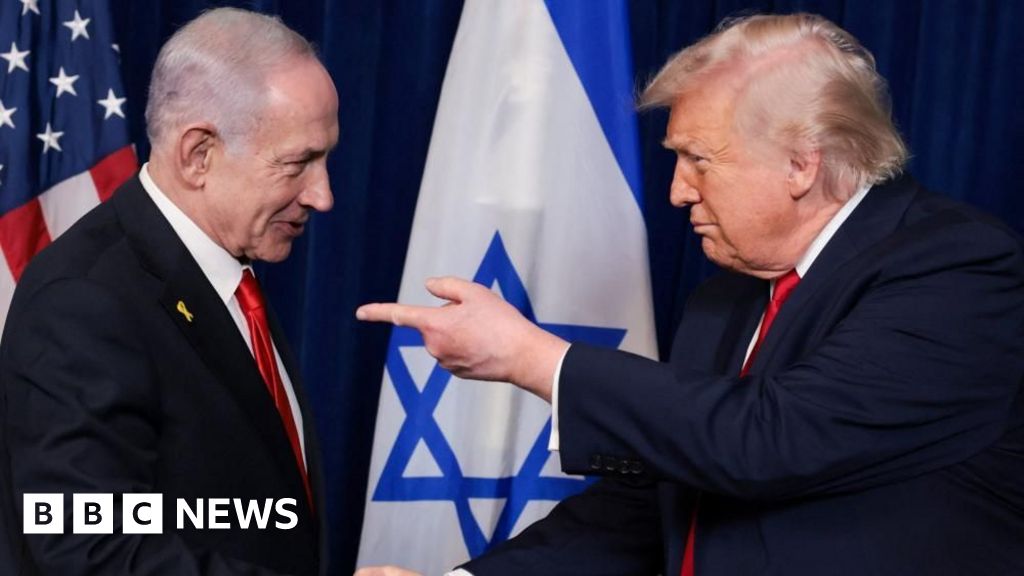
Former President Trump recently addressed ongoing conflicts in the Middle East, reiterating his staunch support for Israel and issuing a firm warning to Iran regarding its nuclear ambitions.His remarks came following discussions with Israeli Prime Minister Benjamin Netanyahu, focusing on the evolving situation in Gaza, Syria, and Lebanon.
Gaza and the Ceasefire
Trump expressed confidence in Israel’s handling of the current phase of its operations in Gaza. He stated he isn’t concerned with Israel’s pace,but rather with the actions – or inactions – of other regional actors.
however, the situation on the ground remains deeply concerning. Since the ceasefire’s implementation, at least 414 Palestinians have been killed by the Israeli military in gaza, according to the Hamas-run health ministry. The Israeli military maintains its actions are solely in response to breaches of the ceasefire agreement, attributing the deaths of three Israeli soldiers to Hamas during the same period.
It’s crucial to understand the complexities of this conflict, where accusations and counter-accusations fuel a cycle of violence. You need to be aware of the differing narratives surrounding these events to form a comprehensive understanding.
A Direct Threat to Iran
Trump didn’t shy away from addressing the threat posed by Iran’s nuclear program. He warned the U.S.would launch further attacks if evidence emerges of Iran developing nuclear weapons at new, undisclosed sites.
Previously, Trump claimed U.S. strikes had “obliterated” Iran’s nuclear facilities in June, a claim Iran vehemently denies. He emphasized the U.S. will “eradicate” any renewed attempts to build a nuclear capability.
This strong stance reflects a continued commitment to preventing Iran from acquiring nuclear weapons, a position shared by many in the international community. However, it also raises concerns about potential escalation and the broader impact on regional stability.
Regional Tensions Beyond Gaza
The discussions between Trump and Netanyahu extended beyond Gaza, encompassing broader regional challenges. These included the volatile situation in Syria and the presence of Hezbollah in Lebanon.
Netanyahu expressed Israel’s desire for a peaceful border with Syria. Trump voiced hope for a productive relationship between Netanyahu and Syria’s current president,Ahmed al-Sharaa,who succeeded Bashar al-Assad last year.
However, Israel remains wary of al-Sharaa, a former member of al-Qaeda, and has already demonstrated its concerns through airstrikes on government buildings in Damascus. Trump acknowledged al-Sharaa’s tough nature, stating, “You’re not going to get a choir boy to lead syria.”
Interestingly, Trump signed an executive order in June to end U.S. sanctions against syria, a move that signals a potential shift in U.S. policy toward the country.
Key Takeaways for You
* U.S. Support for Israel Remains Firm: Trump’s statements underscore the continued strong alliance between the U.S. and Israel.
* Iran’s Nuclear Program is a Major Concern: The U.S. is prepared to take decisive action to prevent Iran from developing nuclear weapons.
* Regional Instability is High: The situation in Gaza, Syria, and Lebanon remains precarious, requiring careful diplomatic engagement.
* Shifting U.S. Policy Towards Syria: The lifting of sanctions suggests a potential re-evaluation of U.S. strategy in Syria.
As you follow these developments, remember that the Middle East is a complex region with a long history of conflict. Staying informed and seeking diverse perspectives is essential for understanding the challenges and opportunities that lie ahead. It’s vital to critically evaluate data and avoid relying on single sources.