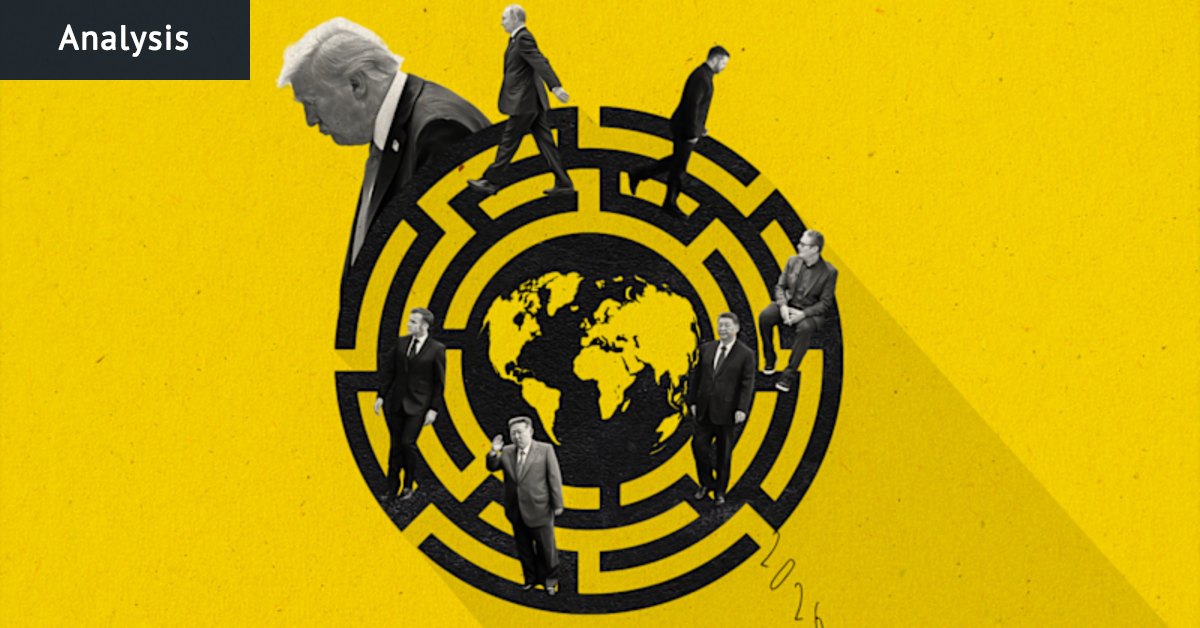
The Looming Battle Over Russia’s Frozen Assets: A Turning Point for Ukraine and Global Finance
The potential for a negotiated peace between the U.S. and Russia hinges on a critical, and increasingly contentious, issue: the fate of roughly $300 billion in Russian central bank assets frozen in Western accounts. This isn’t simply a financial matter; it’s a geopolitical chess game with Ukraine’s survival, the future of international finance, and the evolving relationship between the U.S. and Europe at stake.
Recent reports suggest former President Trump is pushing for a deal where Russia would receive access to these funds as part of a broader peace agreement. this proposal has ignited a firestorm of debate, especially within Europe, and fundamentally shifts the landscape of the asset seizure discussion.
The Shifting Sands of asset Seizure
Initially, the West’s strategy centered on freezing – not confiscating - Russian assets following the invasion of Ukraine. However, the conversation quickly evolved towards utilizing these funds for Ukraine’s reconstruction.The European Union has been leading the charge on this front, proposing a system to leverage the assets as collateral for a €50 billion loan to Kyiv.
Now, the U.S. appears to be angling for a diffrent outcome.Trump reportedly wants the funds released to Russia,possibly as a condition for ending the war. This represents a significant departure from washington’s previous stance and raises serious concerns about the implications for Ukraine and the broader international order.
Here’s a breakdown of the key players and their positions:
* United States: Initially supported EU asset seizure, now seeks to leverage the funds for a U.S.-Russia deal.
* European Union: committed to using the assets to support Ukraine through a reparations loan.
* Russia: Naturally, desires the return of its frozen assets.
* Ukraine: Relies on the EU-backed loan secured by these assets as a crucial financial lifeline.
The Pressure Points: SWIFT,Euroclear,and Blackmail?
Securing the release of these funds won’t be straightforward. The EU faces significant hurdles in actually seizing the assets, particularly from institutions like Euroclear, a Belgium-based clearinghouse holding a substantial portion of the frozen funds.
There are concerns that Russia could exert pressure – potentially through leveraging its influence over access to the U.S.dollar – to obstruct the seizure. Precedents exist for such tactics. In 2012, the SWIFT financial network bowed to intense U.S. pressure and cut ties with Iranian banks.
Why This Matters to Ukraine
From Ukraine’s outlook, the financial implications of a U.S.-Russia deal are dire. A U.S. takeover of Russia’s frozen assets would effectively eliminate Kyiv’s primary source of credible financial support: the EU reparations loan. Without this funding, Ukraine’s ability to finance its military and sustain its economy would be severely compromised.
Consider these critical points:
* If the U.S.-Russia plan fails to deliver lasting peace, Ukraine will be left financially vulnerable.
* Ukraine has recently begun negotiations for a new loan with the International Monetary Fund (IMF).
* Though, securing an IMF loan is contingent on Ukraine’s ability to repay its debt, a challenge without the EU loan.
* The United States, as the IMF’s largest shareholder, holds significant sway over any potential loan agreement.
Europe’s Crucial Decision
The fate of this situation now rests largely with the European Union. They face a pivotal choice:
* Option 1: Support Ukraine. Swiftly seize Russia’s frozen assets and issue the EU reparations loan, potentially rendering a key clause of Trump’s plan irrelevant.
* Option 2: Allow U.S. Control. Permit Washington to confiscate the funds for the benefit of the U.S. and Russia.
The question is no longer if Russia’s assets will be seized, but by whom. Until recently, the U.S. encouraged the EU to seize the assets. Now, the “America First” approach is taking precedence.
A Defining Moment for Global Finance
This situation represents a defining moment for the international financial system. The seizure