
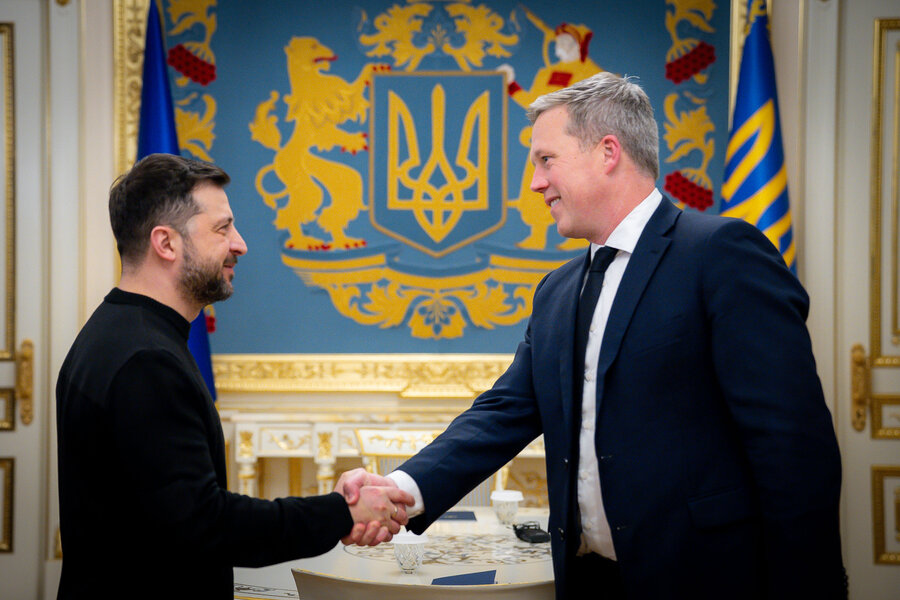
Growing Opposition to Trump’s Ukraine Plan Fuels International Concerns
A proposal by former President Trump to resolve the conflict in Ukraine is facing mounting criticism from both sides of the aisle in the U.S. senate, even as he pressures Ukraine to accept the plan by late next week. this comes amidst a backdrop of strained U.S.-Canada relations and growing anxieties about the implications of appeasing Russia.
Here’s a breakdown of the situation, the concerns being raised, and the potential consequences:
The Proposal & Putin‘s Response
Details of the plan remain somewhat opaque, but it reportedly involves ceding territory currently held by Russia to Moscow. President Putin has publicly welcomed the proposal, stating it “could form the basis of a final peace settlement” if Ukraine and its European allies agree. This endorsement instantly raised red flags for many observers.
Senate Pushback: A Bipartisan Rejection
The Senate opposition isn’t limited to one party. A chorus of voices, including democrats, Independents, and Republicans, are voicing strong objections. Crucially,while some lawmakers criticize the plan,they lack the formal power to block it.
* Angus King (I-ME): A member of the Senate Foreign Relations Committee, King likened the proposal to the disastrous Munich Pact of 1938, a past example of appeasement that failed to prevent war. He bluntly stated the plan “rewards aggression.”
* Thom Tillis (R-NC): Tillis believes former Senate Majority Leader Mitch McConnell’s criticism wasn’t strong enough. He argued that the U.S. shouldn’t offer anything that allows Putin to claim a victory.
* Mitch McConnell (R-KY): In a statement, McConnell expressed concern that the trump administration might prioritize appeasing Putin over achieving a genuine peace.
* Jeanne Shaheen (D-NH): the ranking member of the senate Foreign Relations Committee, Shaheen labeled the proposal an “outrage.”
Zelenskyy’s Measured Response
Ukrainian President Volodymyr Zelenskyy hasn’t outright rejected the plan. However, he emphasized the need for fair treatment and pledged to continue working with Washington and allies during “truly one of the most difficult moments in our history.” This suggests a cautious approach, acknowledging the pressure while safeguarding Ukraine’s interests.
Why the Concern? The Core Arguments Against the Plan
The widespread opposition stems from several key concerns:
* Legitimizing Russian Aggression: Critics argue that conceding territory to Russia rewards its illegal invasion and undermines international law.
* Historical Parallels: The comparison to the Munich Pact highlights the fear that appeasement will only embolden Putin and lead to further aggression.
* Moral and Ethical Objections: Many believe it is morally wrong to reward a nation for violating the sovereignty of another.
* Strategic Implications: Giving Russia control of more Ukrainian territory could strengthen its military position and destabilize the region.
The Halifax Security Forum & U.S.-Canada Relations
Much of this debate unfolded at the Halifax International Security Forum in canada. The unusually large U.S. Senate delegation attending this year’s forum underscores the growing concern over the state of transatlantic relations.
The Trump administration suspended participation of U.S. defence officials in events by think tanks, including the Halifax forum. This, coupled with Trump’s past actions, has strained ties with Canada.
* Trade Wars & Sovereignty: Trump’s trade policies and suggestions that Canada should become the 51st U.S. state have alienated many Canadians.
* Tourism Decline: A meaningful drop in Canadian tourism to the U.S. is impacting border states like New Hampshire, demonstrating the real-world consequences of the strained relationship.
* Demonstrating Support: Senators like Shaheen attended the forum to signal continued U.S. support for Canada and to object to the president’s policies.
Looking Ahead
The situation remains fluid. Trump is pushing for a rapid decision from Ukraine, but the Senate’s opposition and Zelenskyy’s cautious response suggest a difficult path forward. The coming days will be critical in determining whether this proposal gains traction or fades away,and what impact it will have on the future of the conflict in Ukraine and the broader geopolitical landscape.
Expert analysis:
This situation highlights a fundamental tension between a desire for a quick resolution


