Trump Calls for Return of Redskins Name, Igniting Renewed Debate Over Native American Mascots
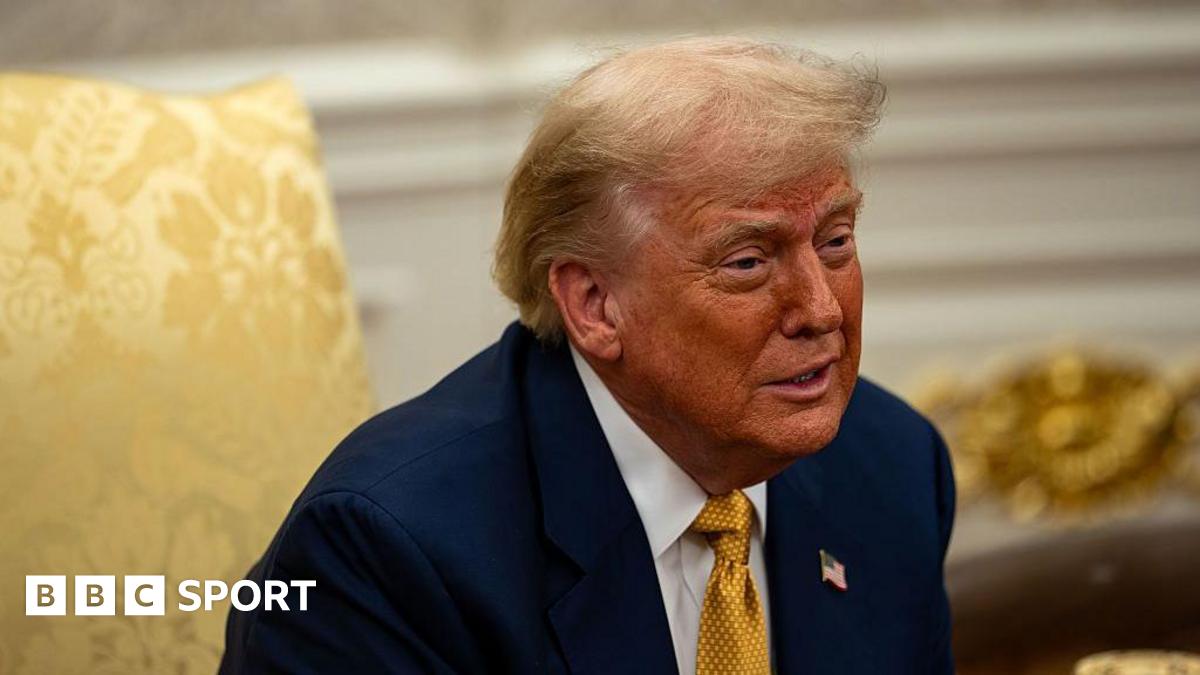
Donald Trump has recently reignited a contentious debate surrounding Native American mascots, specifically calling for the Washington Commanders to revert to their former name, the Redskins. This intervention comes as the team seeks approval for a new £3 billion stadium at the site of the old RFK Stadium,and adds a layer of political complexity to the project.Let’s delve into the situation, it’s history, and the broader implications for sports teams and Native American representation.
A History of Controversy: From Redskins to Commanders
For decades, the Washington football team was known as the Redskins. However, mounting pressure from activists, organizations, and sponsors led to a formal review in 2020. The name was widely considered racist and deeply offensive to Native Americans, stemming from its historical association with the bounty system for Native American scalps.
Consequently, the team temporarily adopted the name “Washington football Team” for the 2020 season. In 2022, they officially became the Washington Commanders, a change intended to signal a fresh start.
The Stadium Deal and Trump’s Intervention
Currently, the Commanders are poised to build a state-of-the-art, 65,000-seater stadium on the grounds of the former RFK Stadium, their home from 1961 to 1997.last week, the DC Council faced urging from a prominent Republican politician to expedite the stadium plan’s approval.Trump’s recent statement throws a wrench into these plans. He suggested he might withhold support for the stadium deal unless the team reverts to the Redskins name. “The team would be much more valuable and the deal would be more exciting for everyone,” he stated. He also urged the Cleveland Guardians to revert to their previous name, the Cleveland Indians.
Why the Push for a Return to Old Names?
Trump claims “our great Indian people, in massive numbers, want this to happen,” arguing that changing the names strips away heritage and prestige. however, this assertion directly contradicts the stance of many Native American groups.
The Native American Perspective: A Firm Rejection
The National Congress of American Indians (NCAI) has unequivocally rejected the idea of reinstating these “themed” mascots.They released a statement earlier this year, responding to similar endorsements from political figures.
Hear’s what you need to understand about their position:
These aren’t tributes. They are rooted in racism, cultural appropriation, and a deliberate disregard for Native American history and culture.
Harmful stereotypes are perpetuated. These depictions degrade, dehumanize, and negatively impact the wellbeing of Native peoples.
* It’s about respect and representation. The NCAI and tribal leaders nationwide advocate for accurate and respectful representation, not caricatures.
How Teams are Responding
The cleveland Guardians, who changed their name from the Indians in 2021, appear unfazed by Trump’s call. Team president Chris Antonetti stated they are focused on building the Guardians brand and are “excited about the future.”
The Washington Commanders have been contacted for comment but have not yet responded.
The Broader Implications: A Continuing Conversation
this situation highlights a larger, ongoing conversation about representation in sports and the responsibility of teams to be sensitive to cultural concerns. You’ve seen similar debates surrounding the Atlanta Braves’ tomahawk chop and the Kansas City Chiefs’ use of Native American imagery.
Ultimately, the decision of whether to change a team name rests with the association. However, it’s crucial that these decisions are made with genuine consideration for the impact on the communities affected and a commitment to fostering inclusivity.
This isn’t just about a name; it’s about respect, representation, and acknowledging a painful history. As the debate continues, it’s vital to listen to the voices of Native American communities and prioritize their perspectives.