
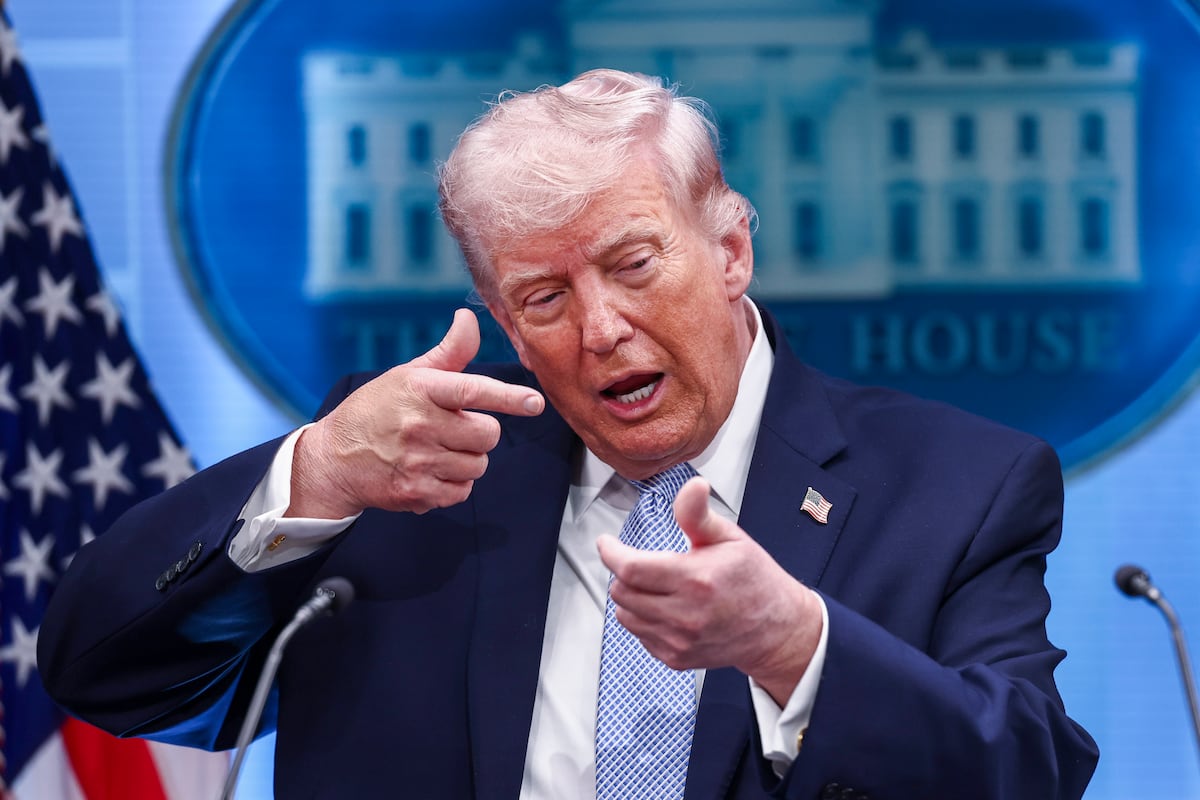
Tensions in the Middle East have reached a critical flashpoint as U.S. President Donald Trump issued a stark warning that the United States could destroy Iran in a single night, stating that “that night could be tomorrow.” The ultimatum comes amid a volatile conflict that has persisted for over five weeks, characterized by high-stakes diplomatic maneuvering and targeted military strikes on critical infrastructure.
Speaking at a White House press conference on Monday, April 6, 2026, President Trump signaled that the U.S. Is prepared to escalate its military campaign if Tehran does not meet specific demands. The president has set a deadline of 8 p.m. Tuesday for Iran to fully reopen the Strait of Hormuz, a vital artery for global energy markets. This latest threat follows a pattern of revised deadlines and aggressive rhetoric aimed at forcing a resolution to the hostilities.
The current geopolitical climate is marked by a paradoxical mix of extreme threats and ongoing diplomacy. While the U.S. Warns of total destruction, President Trump also indicated that Iran is an “active, willing participant” in negotiations to complete the war, describing talks with intermediaries as “going well.” However, he stopped short of confirming if the conflict is winding down, noting only that the situation is in a “critical period” according to CNN.
The humanitarian and economic stakes are rising as the global economy remains under pressure and a growing humanitarian crisis unfolds. The potential for a wider regional war looms, especially as Israel prepares its own contingency plans should U.S. Diplomatic efforts fail.
Escalation Tactics and Infrastructure Targeting
The U.S. Military strategy has increasingly focused on the degradation of Iranian infrastructure. President Trump revealed that the United States possesses a comprehensive plan to destroy every bridge and power plant in Iran by midnight tomorrow. Such a strategy, targeting critical civilian infrastructure, has raised concerns among international observers regarding potential war crimes.
This threat of systemic destruction follows a precedent set earlier in the conflict. On April 2, 2026, the U.S. Bombed the B1 Bridge linking Karaj to Tehran, which was one of Iran’s largest and most significant infrastructure projects. The 136-meter-high suspension bridge, valued at $400 million, was split in half by the strikes as reported by The Guardian. Iranian state media reported that eight people were killed and 95 wounded in that specific attack.
Following the B1 Bridge strike, President Trump used the Truth Social platform to share footage of the collapse, stating, “The biggest bridge in Iran comes tumbling down, never to be used again,” and warning that “much more to follow” if a settlement was not reached. This event occurred shortly after the president had threatened to bomb the country “back to the stone ages.”
The Diplomatic Deadlock and the Strait of Hormuz
At the heart of the current impasse is the Strait of Hormuz and the terms of a potential ceasefire. The U.S. Has demanded the full reopening of the strait, which is essential for the flow of oil and global economic stability. Tehran, however, has shown resistance to the specific frameworks proposed by negotiators.
Reports indicate that Tehran has rejected a temporary ceasefire proposal. The Iranian government is reportedly seeking a comprehensive peace agreement that resolves the conflict entirely, rather than a short-term truce. This disagreement over the sequence of diplomacy—whether to start with a temporary halt in fighting or move straight to a final settlement—has left the two parties at a standstill as the Tuesday deadline approaches.
Adding to the complexity, Israel has approved an updated target list of energy and infrastructure sites within Iran. According to Israeli sources, these preparations are a contingency measure in case U.S. Diplomatic talks fail. Israeli officials remain highly skeptical that a viable deal is achievable via CNN.
Economic and Humanitarian Implications
The conflict, which began on February 28, 2026, has created significant ripples through the global economy. The threat to the Strait of Hormuz is particularly concerning for global markets, as any prolonged closure or instability in the region typically leads to spikes in oil prices and disruptions in shipping.

Beyond the economic impact, the humanitarian situation is deteriorating. The targeting of power plants and bridges affects not only military capabilities but also the delivery of essential services to civilian populations. The potential for the U.S. To “take out” the country in one night suggests a scale of kinetic action that would likely result in widespread civilian hardship and a total collapse of the Iranian power grid.
Timeline of Key Events in the 2026 Iran Conflict
| Date | Event | Impact/Detail |
|---|---|---|
| February 28 | War Initiation | U.S. And Israel launch war on Iran. |
| April 2 | B1 Bridge Strike | U.S. Destroys $400m suspension bridge; 8 killed, 95 wounded. |
| April 5 | Jet Rescue | U.S. Forces rescue a crew member from a downed fighter jet. |
| April 6 | White House Presser | Trump threatens to destroy Iran “in one night.” |
| April 7 (Tuesday) | Strait Deadline | 8 p.m. Deadline for Iran to reopen the Strait of Hormuz. |
What Happens Next?
The world now looks toward the 8 p.m. Tuesday deadline. The primary question is whether Iran will comply with the demand to reopen the Strait of Hormuz or if the U.S. Will execute the plan to target the nation’s power plants, and bridges. While President Trump maintains that negotiations are “going well,” the lack of a signed ceasefire and Israel’s preparation for further strikes suggest a precarious balance.
The next confirmed checkpoint is the expiration of the U.S. Deadline on Tuesday evening. Whether this results in a diplomatic breakthrough or a massive escalation of military force will depend on the final hours of negotiation between Washington, Tehran, and their intermediaries.
We invite our readers to share their perspectives on the economic implications of this conflict in the comments below. Stay tuned for further updates as the deadline approaches.