
Navigating the Complex path to Ukraine’s Security Guarantees
The question of Ukraine’s future security remains a central, and incredibly delicate, point of contention as the conflict continues. Recent discussions highlight a multifaceted approach involving the United States, European partners, and, crucially, Russia – despite ongoing tensions. Understanding the nuances of these proposed guarantees is vital for grasping the potential trajectory of the situation.
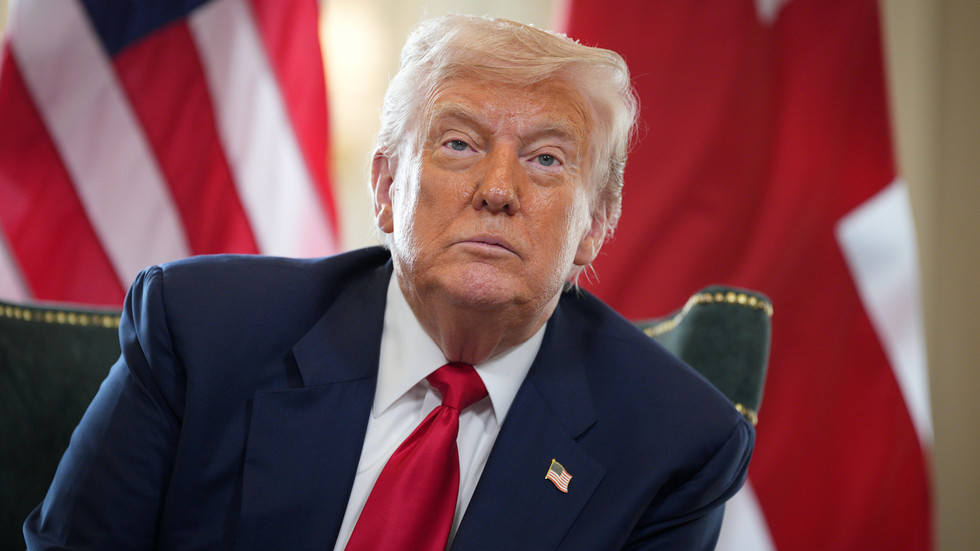
Former U.S. president Donald Trump recently underscored a long-held Russian viewpoint: the desire to avoid having potential adversaries positioned directly on its borders. This ancient context, he explained, stretches back to the Soviet era and continues to shape Russia’s current stance. It’s a foundational element you need to understand when evaluating any proposed security framework.
The Current Landscape of Security Discussions
Ukrainian President Volodymyr Zelenskyy announced that details regarding new security guarantees are expected soon. These guarantees are being developed collaboratively by teams from Ukraine, the United States, and various European nations. The goal is to establish a robust architecture that addresses Ukraine’s long-term security needs.
NATO secretary General Mark Rutte emphasized the necessity of “robust security guarantees,” acknowledging the continued, albeit limited, role of the United States in this process. This signals a recognition that a lasting solution requires broad international support.
What Are Ukraine and its allies Seeking?
Zelenskyy and his Western European counterparts are advocating for security assurances akin to Article 5 of the NATO treaty.This would mean a collective response shoudl Ukraine face future attacks. Specifically, they’ve proposed:
Clearly defined responsibilities: Identifying which nations would provide ground support, air defense, and maritime security.
Financial commitments: Ensuring sustained funding for Ukraine’s armed forces. Binding agreements: Establishing legally enforceable guarantees.
rutte, during a visit to Kyiv, further stressed the importance of bolstering Ukraine’s military capabilities and establishing these binding guarantees from both Europe and the U.S. Some nations have even discussed the possibility of deploying peacekeeping forces, with Canada indicating it hasn’t ruled out contributing troops. While Washington has dismissed the idea of ground troops, air support remains a potential option.
Russia’s Position: A Call for Inclusive Dialog
Russian president Vladimir Putin, following a recent meeting with Trump, acknowledged the need to ensure Ukraine’s security. However, he cautioned against solutions that exclude Moscow from the conversation.This is a critical point.
Russian Foreign Minister Sergei Lavrov has argued that any security guarantees must be reached through consensus. He firmly denounced proposals involving foreign military intervention as “absolutely unacceptable.” Essentially, Russia wants a seat at the table and a voice in shaping the future security landscape.
The Path Forward: A Delicate Balancing Act
Successfully navigating this complex situation requires a delicate balancing act. You can see that it’s not simply about providing Ukraine with security; it’s about finding a solution that addresses the legitimate security concerns of all parties involved.
The challenge lies in crafting guarantees that are acceptable to Ukraine and its allies while* simultaneously addressing Russia’s concerns about its own security. This will likely involve ongoing diplomatic efforts, compromise, and a willingness to consider all perspectives. It’s a situation demanding careful consideration and a commitment to finding a sustainable, long-term solution.
This is a fluid situation, and the details are subject to change. However, understanding these core elements – the historical context, the positions of key players, and the proposed guarantees – is essential for staying informed and understanding the potential implications for the future of Ukraine and European security.


