
Trump’s Controversial Vetoes: A Signal of Intent and Escalating Disputes
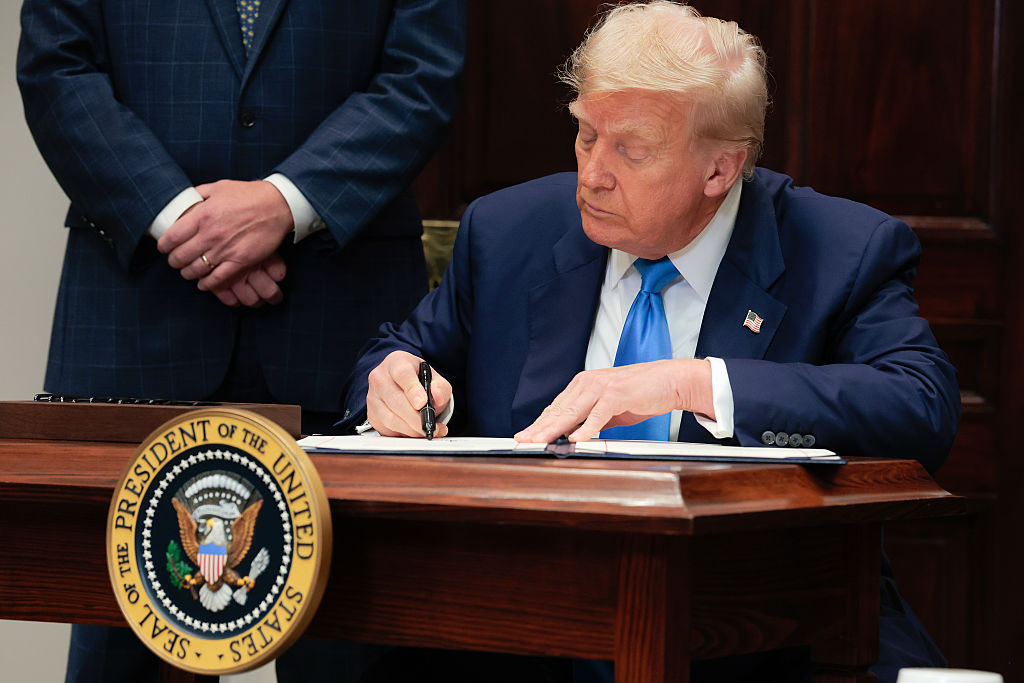
President Trump concluded the year by vetoing two bills that had garnered bipartisan support – one concerning flood protection for the Florida Everglades and another addressing water rights in Colorado. These actions have sparked criticism and raise questions about the management’s priorities, particularly as they appear linked to ongoing disputes with the Miccosukee Tribe of Florida.
The veto of the Everglades bill centered on a unique and contentious issue. The White House explicitly cited the Miccosukee Tribe’s legal challenges to the administration’s immigration policies as justification. Specifically, the tribe opposed the construction of a detention center in the Everglades, derisively nicknamed “Alligator Alcatraz” due to its remote and challenging location.
Here’s a breakdown of the situation:
* The Dispute: The Miccosukee Tribe actively filed lawsuits against the administration, challenging the environmental impact and legality of building an immigration detention facility within the sensitive everglades ecosystem.
* The Veto Rationale: The administration framed the veto as a response to the tribe’s opposition to its immigration enforcement efforts, suggesting a punitive measure for challenging federal policy.
* “Alligator Alcatraz“: This controversial detention center, intended to house individuals facing deportation, became a focal point of contention due to concerns about its location and potential environmental damage.
You might be wondering why a water bill for Colorado would be affected by a dispute in Florida. Critics on Capitol Hill believe the vetoes were less about the legislation itself and more about sending a message. Colorado Democrats labeled the veto of their water bill ”unacceptable,” highlighting the perceived disconnect between the legislation’s merits and the president’s decision.
Tribal advocates echoed this sentiment,arguing the vetoes represent a troubling pattern of using legislative action to retaliate against those who oppose the administration’s policies.This raises concerns about the separation of powers and the potential for political leverage to override legitimate legislative processes.
Given the current political climate, overriding these vetoes in Congress appears unlikely. With narrow majorities, the president’s decisions are poised to stand as we move into the new year. This situation underscores a larger trend: President Trump’s increasing willingness to test the limits of executive power.
His use of the veto is becoming a key indicator of his governing style. It signals both how he intends to govern and who he intends to target in the coming months. You can expect to see this pattern continue as the administration seeks to assert its authority and address perceived challenges to its agenda.
Ultimately, these vetoes aren’t simply about water rights or flood protection. They represent a broader escalation of conflict and a clear presentation of the president’s willingness to wield his power in response to opposition – a strategy that will undoubtedly shape the political landscape in the year ahead.





