
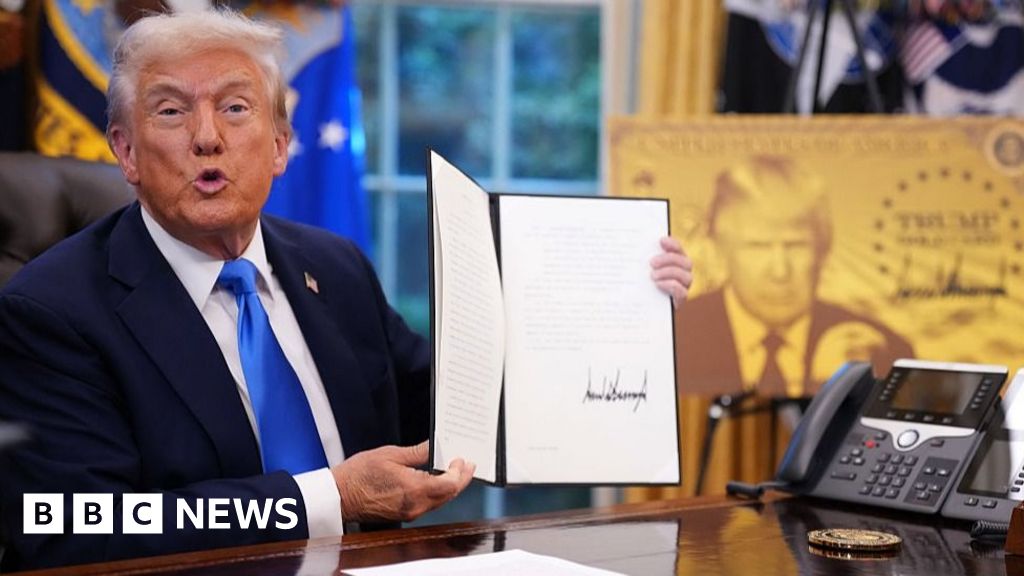
New H-1B Visa Fee Could Reshape US Tech Talent Landscape
Recent policy shifts regarding the H-1B visa program are sending ripples through the tech industry adn beyond. A substantial new fee, perhaps reaching $100,000 per request, is raising concerns about American competitiveness and access to skilled talent. This article breaks down the changes,their potential impact,and what you need to know.
Who Benefits from the H-1B Program?
The H-1B visa allows US employers to temporarily employ foreign workers in specialty occupations. These roles typically require theoretical or technical expertise. Last fiscal year, the biggest beneficiaries were:
* Amazon
* Tata consultancy Services
* Microsoft
* Meta
* Apple
* Google
These companies, along with countless others, rely on the program to fill critical skill gaps.
The New Fee: A Significant Shift
The proposed $100,000 fee represents a dramatic increase from current costs.it’s designed to fund efforts to combat fraud and enhance enforcement within the H-1B system. However, experts warn it could have unintended consequences.
Amazon has already issued guidance to employees on H-1B visas. Those currently in the US have been advised to stay put, while those abroad are urged to return before the new rules take effect. Anyone unable to return should avoid attempting re-entry until further notice.
Impact on Businesses – Especially Small Ones
The financial burden of the new fee is expected to disproportionately affect small and medium-sized businesses. Tahmina Watson,founder of Watson Immigration Law,describes it as a potential ”nail in the coffin” for many of her clients.
Here’s why:
* Pricing Out: The high cost will make it difficult for smaller companies to compete for talent.
* Labor Shortages: Many businesses sponsor foreign workers as they can’t find qualified American workers. This fee exacerbates the problem.
* Innovation at Risk: Restricting access to skilled talent could stifle innovation and growth.
Jorge Lopez, chair of the immigration and global mobility practice group at Littler Mendelson PC, believes the fee will “put the brakes on American competitiveness in the tech sector and all industries.” Some companies may even consider relocating operations outside the US, tho this presents its own challenges.
A history of Shifting Stances
The H-1B program has been a point of contention for years, even within the Trump administration. There’s been a clear back-and-forth on the issue.
* Early scrutiny (2017): President Trump initially increased scrutiny of H-1B applications, aiming to improve fraud detection.
* Increased Rejections: Rejection rates climbed to a high of 24% in fiscal year 2018, a significant jump from the 5-8% under President Obama and 2-4% under President Biden.
* campaign Trail Promises: During his 2016 campaign, Trump vowed to make attracting talent easier, even proposing green cards for college graduates. He acknowledged the need for a talent pool to support companies.
* Acknowledging Both Sides: More recently, Trump stated he understands “both sides of the argument” regarding H-1B visas.
What Does This Mean for You?
If you are:
* An H-1B Visa Holder: Stay informed about company guidance and potential travel restrictions. Consult with an immigration attorney if you have concerns.
* A US Employer: Evaluate the financial impact of the new fee and consider its implications for yoru talent acquisition strategy.
* A Tech Professional: Be aware of the changing landscape and how it might affect your career opportunities.
India’s Concerns
The potential restrictions have sparked significant concern in india, the largest source country for H-1B applications. The program provides crucial opportunities for Indian professionals to work and contribute to the US economy.
Looking Ahead
The future of the H-1B program remains uncertain. The new fee is highly likely to face legal challenges, and its long-term impact will depend on how it’s implemented and enforced. One thing is clear: the debate over skilled immigration is far from over.
Disclaimer: *I am an AI chatbot


