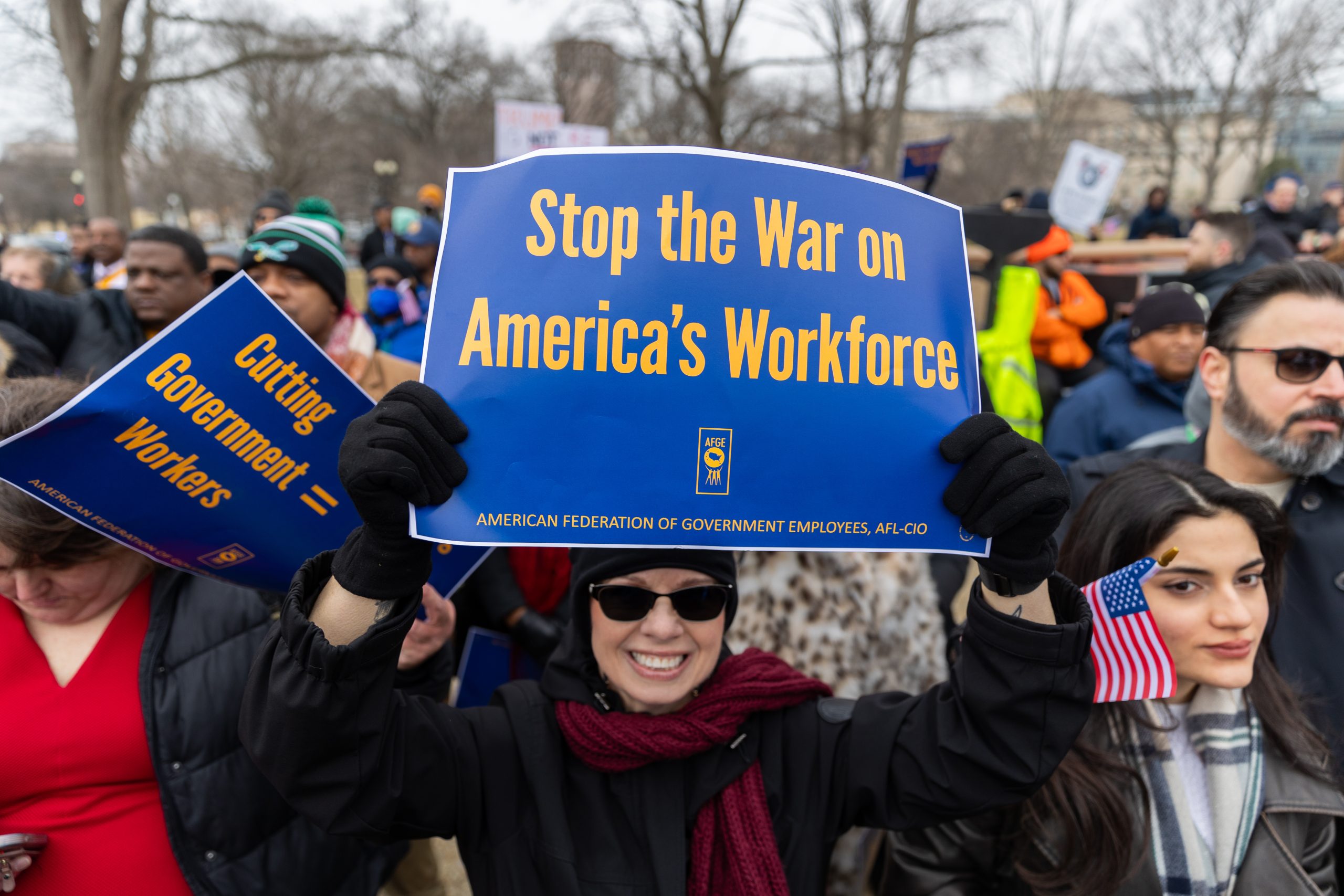
Navigating a Critical Moment: The Future of labor Unions in a Changing Landscape
The American labor movement finds itself at a pivotal juncture. A broad sense of danger permeates the country,and unions represent one of the few remaining avenues for working-class individuals to organize independently and advocate for their rights. but what will it take for unions to effectively respond to this moment, and what role can thay play in building a powerful, unified front?
This article delves into the challenges and necessary transformations facing labor unions, particularly the American Federation of Government Employees (AFGE), as they navigate a complex and evolving political and economic environment.
The Urgency of Reinvention
Everett Kelley, national president of AFGE, emphasizes the need for a fundamental reimagining of the union’s structure and operations.He argues that the current environment demands a departure from customary approaches.
This isn’t simply about incremental adjustments; it’s about a complete recalibration. You need to consider where the union will be in five, even ten years, and proactively adapt to the changing realities. This requires a critical examination of every facet of the organization, from organizing strategies to dues structures.
Adapting to a Unfriendly Environment
Recent years have presented notable challenges for unions, particularly under administrations actively seeking to weaken their power.Kelley recounts facing deliberate attempts to dismantle AFGE’s resources and influence.
However, this adversity spurred innovation and reorganization. The union leveraged partnerships and expertise to overhaul its dues structure, successfully onboarding 150,000 new employees onto a modernized system in under three months. This demonstrates a proactive approach to resilience and member engagement.
Building a United front
The current union density of around 10% highlights a critical limitation. Unions alone cannot lead the charge for working-class rights. A broader, more inclusive movement is essential.
Here’s how unions can play a pivotal role in building that united front:
Strategic Partnerships: Collaborate with community organizations, advocacy groups, and other labor unions to amplify collective power.
Grassroots Organizing: Focus on building relationships with non-union workers and fostering a sense of solidarity.
Issue-Based Campaigns: Unite workers around common concerns like fair wages, affordable healthcare, and workplace safety.
Political Advocacy: Engage in targeted lobbying and voter mobilization efforts to support pro-worker policies.
AFGE’s Commitment to the Long Haul
Kelley firmly asserts AFGE’s unwavering commitment to its members. The union has a 93-year history of fighting for working people, and it intends to continue doing so, nonetheless of the political climate.
You can be assured that AFGE is not going anywhere. It will remain a steadfast advocate for its members,weathering political storms and championing their rights for decades to come.
looking Ahead: A Call to Action
The labor movement faces a critical moment. Successfully navigating this landscape requires a willingness to reimagine, restructure, and collaborate. By embracing innovation, building strategic alliances, and remaining steadfast in their commitment to working people, unions can not onyl survive but thrive, leading the charge for a more just and equitable future.
This is not just about preserving the labor movement; it’s about safeguarding the rights and well-being of all working families.