
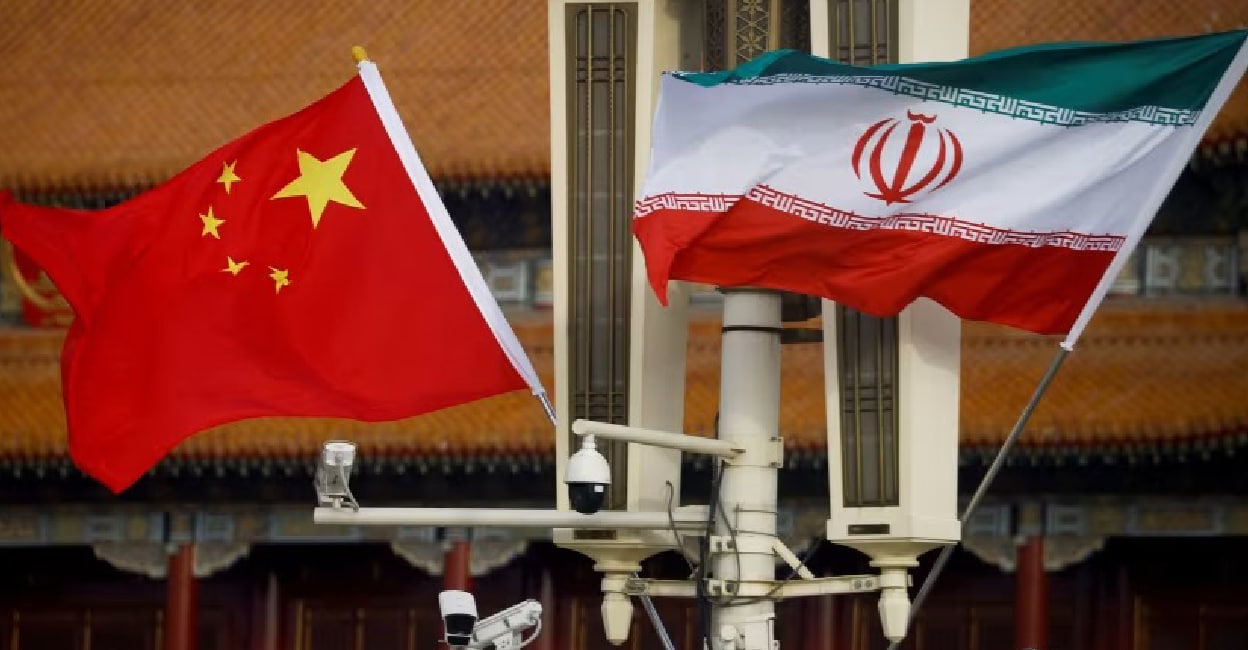
Tensions between the United States and China have escalated following reports that Beijing may be preparing to supply advanced air defense systems to Iran. U.S. President Donald Trump issued a stern warning on Saturday, stating that China would face “substantial problems” if it proceeds with the delivery of weapons to Tehran.
The warning comes at a critical juncture as a fragile two-week ceasefire between Washington and Tehran remains under threat. Speaking to reporters before departing the White House for Miami, President Trump emphasized the severity of the potential consequences for China, though he did not elaborate on the specific nature of the “big problems” that would follow such a move India Today.
Whereas the U.S. Administration has signaled a hard line against the transfer of military technology, Beijing has pushed back against these claims. Chinese officials have responded by asserting that Beijing has never provided weapons to any party involved in the ongoing conflict India Today.
This geopolitical friction is unfolding against a backdrop of complex diplomatic maneuvers. While the U.S. Warns of repercussions, peace talks between the U.S. And Iran are reportedly progressing in Pakistan Marunadan Malayalee. The intersection of U.S.-China rivalry and the Iran crisis has created a volatile environment where military shipments could derail diplomatic breakthroughs.
The Strategic Stakes of Air Defense Transfers
The potential arrival of Chinese air defense systems, including Man-Portable Air-Defense Systems (MANPADS), represents a significant shift in the regional balance of power. Such systems would enhance Iran’s ability to intercept aerial threats, potentially complicating U.S. Military operations in the region. The U.S. Intelligence community has reportedly flagged preparations by China to export weapons to Iran, leading to the current diplomatic standoff Marunadan Malayalee.
President Trump has also linked these developments to his broader strategic goals in the Middle East. He has explicitly stated that opening the Strait of Hormuz is a primary objective. During his remarks outside the White House on Saturday, Trump claimed that previous leaders had been defeated and killed, leaving the opening of the strait as the remaining critical task Marunadan Malayalee.
The Strait of Hormuz remains one of the world’s most vital oil transit chokepoints. Any disruption or military escalation in this corridor has immediate global economic implications, particularly regarding oil prices and supply chain stability. The U.S. Effort to maintain “open” waters is viewed by Washington as essential for global energy security, while Iran often views control over the strait as a primary lever of strategic deterrence.
Impact on U.S. Global Standing and Credibility
The shifting nature of the U.S. Approach toward Iran has drawn criticism from financial and geopolitical analysts. A report from Jefferies, specifically the ‘Greed and Fear’ newsletter authored by Chris Wood, suggests that contradictory signals from the Trump administration regarding the Iran conflict are undermining U.S. Global standing Manorama Online.
According to the Jefferies analysis, these inconsistencies in policy may inadvertently benefit China, allowing Beijing to gain more international acceptance and “score goals” while the U.S. Struggles with a coherent strategy Manorama Online. This dynamic highlights the broader “great power competition” where the U.S. And China vie for influence over key regional players like Iran.
The volatility of the current situation is further exacerbated by the fragility of the ceasefire. With only two weeks of tenuous peace, the introduction of new weaponry—especially high-tech missile defense—could be perceived as an escalation by Washington, potentially leading to a collapse of the ceasefire and a return to active hostilities.
Key Geopolitical Dynamics
| Stakeholder | Primary Position/Action | Stated Goal/Concern |
|---|---|---|
| United States | Warning China against arms transfers; focusing on Strait of Hormuz. | Preventing Iranian military escalation; ensuring maritime security. |
| China | Denying weapons transfers to conflict parties. | Maintaining diplomatic neutrality while managing U.S. Relations. |
| Iran | Engaging in peace talks in Pakistan; seeking defensive capabilities. | National security and deterrence against U.S. Influence. |
What Happens Next?
The immediate focus remains on the peace talks currently taking place in Pakistan. The outcome of these discussions will likely determine whether the fragile ceasefire holds or if the region slides back into conflict. Simultaneously, the U.S. Will be monitoring Chinese shipping and diplomatic movements for any evidence of air defense systems being moved toward Iran.

the U.S. Administration’s next steps regarding the Strait of Hormuz will be closely watched by global markets. Any move to “open” the strait by force or through diplomatic pressure could trigger a sharp reaction from Tehran and its allies.
As the situation evolves, official updates are expected from the White House and the diplomatic missions in Pakistan. We encourage our readers to share their perspectives on this developing crisis in the comments below and share this report with their networks to keep the global community informed.