
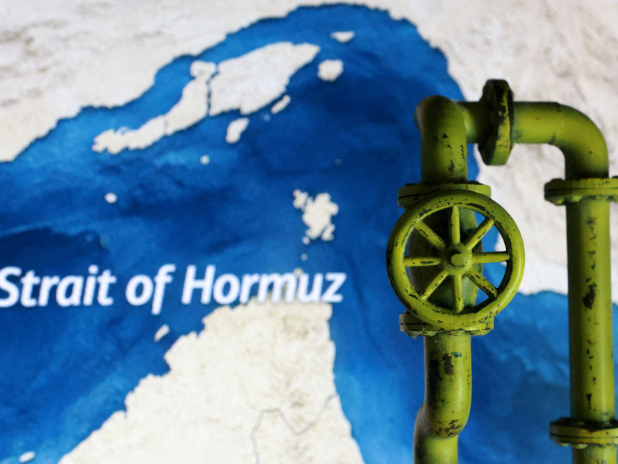
Tensions in the Persian Gulf have escalated to a critical flashpoint as the United States implements a naval blockade on Iranian ports. President Donald Trump has issued a stark warning that any Iranian attack boats approaching the designated blockade zones will be “eliminated,” marking a severe escalation in the ongoing maritime confrontation over the Strait of Hormuz.
The move follows a period of intense volatility in one of the world’s most vital energy arteries. The U.S. Naval blockade of Iranian ports comes after a series of retaliatory actions and threats involving the Iranian Revolutionary Guard Corps (IRGC), which had previously sought to restrict shipping to prevent oil from reaching U.S.-aligned interests.
This strategic maneuver by the Trump administration is designed to force Iran to ensure the unrestricted flow of commercial traffic through the Strait of Hormuz. The blockade is part of a broader strategy to “clear” the waterway, which President Trump has characterized as a service to global trade partners, including China, Japan, and France (RFI).
The Escalation: From Ultimatums to Naval Blockades
The current blockade is the culmination of a rapid series of escalations that began in late February 2026. According to reports, the United States and Israel began bombing targets within Iran on February 28, leading the IRGC to respond by effectively blocking the Strait of Hormuz through the use of naval mines and attacks on passing vessels (RFI).
By March 21, President Trump issued a final ultimatum via his social media platform, Truth Social. He demanded that Iran completely and “threat-free” open the Strait of Hormuz within 48 hours. The President threatened that failure to comply would result in the U.S. Striking and destroying various Iranian power plants, starting with the largest facilities (RTHK).
The ultimatum specifically highlighted the potential destruction of nuclear power plants if the waterway remained closed (Wen Wei Po). This aggressive posture was a response to the global energy crisis triggered by the IRGC’s restrictions on shipping, which the U.S. Viewed as an unacceptable threat to international energy security.
Iran’s Retaliatory Warnings
Tehran has not remained silent in the face of these threats. A spokesperson for the Khatam al-Anbiya Central Command of the Iranian armed forces responded with a counter-threat, stating that any attack on Iran’s fuel and energy infrastructure would make all energy infrastructure, IT systems, and desalination plants belonging to the U.S. And its allies in the region legitimate targets (Wen Wei Po).
Further amplifying the risk, former Secretary of the Supreme National Security Council Larijani warned on March 12 that if the Iranian power grid were sabotaged, the entire Middle East region could be plunged into darkness within 30 minutes (Wen Wei Po).
Global Shipping Impact and the “Cowardice” of Allies
The implementation of the blockade has sent shockwaves through the global shipping industry. Ship owners have expressed extreme caution, with many refusing to transit the Strait of Hormuz until comprehensive security guarantees are in place. This hesitation has led to a further decline in shipping volume in the region.
The U.S. Attempt to lead a multilateral response has met with mixed results. President Trump previously proposed the creation of a multinational escort coalition to protect oil tankers using naval warships. Though, several invited nations rejected the proposal, citing a refusal to participate in unilateral military actions. This lack of support led Trump to publicly label some of his allies as “cowards” for their failure to provide actual escort ships, despite general promises from NATO members to make “appropriate efforts” to ensure safe passage (Wen Wei Po).
What This Means for Global Energy
The Strait of Hormuz is the world’s most important oil transit chokepoint. The combined effect of the IRGC’s initial blockade and the subsequent U.S. Naval blockade has created a high-risk environment for energy transport. The “cleaning” operation mentioned by the U.S. Administration aims to remove Iranian obstacles, but the threat of immediate kinetic engagement—specifically the “elimination” of attack boats—means that the risk of a miscalculation leading to full-scale war remains high.
Key Developments Timeline
| Date | Event | Outcome/Detail |
|---|---|---|
| February 28 | U.S. And Israel commence bombing Iran | IRGC responds by blocking the Strait of Hormuz |
| March 12 | Larijani Warning | Warns of regional blackout if Iranian grid is hit |
| March 21 | Trump’s 48-Hour Ultimatum | Threatens destruction of power plants if Strait is not opened |
| April 11 | U.S. “Cleaning” Operation | U.S. Begins active measures to reopen the Strait |
| April 13 | Blockade Order Effective | U.S. Warns it will destroy attack boats near blockade zones |
As of April 13, 2026, the maritime environment remains volatile. The international community continues to monitor whether the U.S. Blockade will successfully force a permanent reopening of the waterway or if the threat of “eliminating” Iranian vessels will trigger a wider regional conflict.
The next critical checkpoint will be the response from the Iranian government regarding the current blockade and whether any diplomatic channels are reopened to avoid the destruction of energy infrastructure. We will continue to provide updates as official statements from the U.S. Department of Defense or the Iranian Ministry of Foreign Affairs are released.
Do you believe the current naval blockade is an effective deterrent or a dangerous escalation? Share your thoughts in the comments below and share this report to keep others informed.