Trump Signals Shifting Foreign Policy Stance with Ukraine & South Korea
donald Trump is once again reshaping the conversation around U.S. foreign policy, offering a glimpse into potential shifts should he return to the white House. Recent developments suggest a willingness to reconsider support for Ukraine, coupled with a complex approach to key alliances, particularly with South Korea. Let’s break down what’s happening adn what it could mean for you.
A Conditional Approach to Ukraine
Trump has indicated he’d be open to providing air support to Ukraine - but only after a peace agreement with Russia is reached. This stance represents a departure from current U.S. policy, which prioritizes bolstering Ukraine’s defenses before negotiations. He recently confirmed having spoken with Vladimir Putin following a meeting at the White House, though details of their conversation remain limited.
Interestingly, both leaders have reportedly discussed the possibility of initiating nuclear disarmament talks, potentially including China. This signals a willingness to engage in high-level diplomacy on critical global security issues, even with adversaries.
Navigating a Delicate Relationship with South Korea
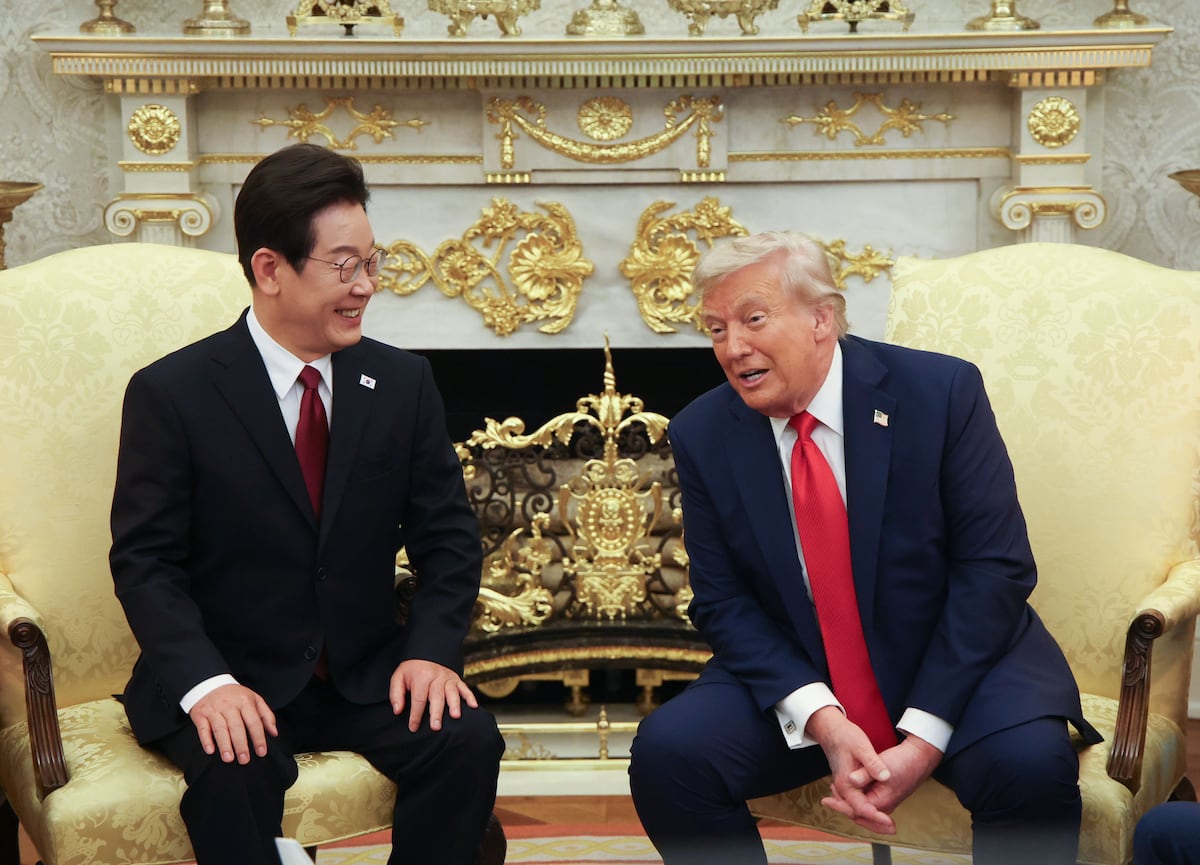
The first face-to-face meeting between Trump and South Korean President Lee was closely watched, given the recent political upheaval in Seoul. Lee assumed office in June, following the removal of his predecessor, Yoon Suk Yeol, who had favored a more hawkish stance against North Korea.
this transition creates a degree of uncertainty in a vital alliance. South Korea relies heavily on the U.S. for both its defense and economic stability, while the U.S.views South Korea as a crucial partner in countering China’s influence in the region.
Unexpected Rhetoric & Underlying Concerns
Just hours before the meeting, Trump raised eyebrows with a social media post questioning the situation in South Korea, referencing reports of activity at churches and military bases. He later clarified that he intended to discuss these concerns directly with President Lee.
This illustrates a pattern of Trump using direct, and sometimes unconventional, communication. It also highlights his sensitivity to perceived instability in key partner nations.
Key discussion Points & Alliance Priorities
The meeting agenda covered a broad range of critical issues, including:
Modernizing the U.S.-South Korea alliance: Strengthening military cooperation and capabilities. Economic ties: Boosting trade and investment between the two countries.
Regional security: Addressing concerns about North Korea and broader geopolitical challenges.
Defense commitments: Reaffirming the U.S. security guarantee to South Korea, including its nuclear umbrella.
Ultimately,the economic health of South Korea is deeply intertwined with its relationship with the U.S., and the U.S. relies on South Korea as a strategic anchor in East Asia.
A Familiar Desire for Engagement with North Korea
Trump also reiterated his desire to re-engage with North korean leader Kim Jong-un, with whom he held three previous meetings during his first term. he described having a “very good relationship” with Kim, suggesting a potential willingness to revisit diplomatic efforts with Pyongyang.
This signals a continued belief in the power of direct engagement, even with regimes considered opposed by many. You might recall his previous attempts to negotiate denuclearization with North Korea, though those efforts ultimately stalled.
Looking Ahead:
These developments underscore a potential shift in U.S. foreign policy under a second Trump management. His approach appears to prioritize direct negotiation, conditional support, and a re-evaluation of existing alliances. As these dynamics unfold, it’s crucial to stay informed and understand the implications for global stability and your own interests.