
The Growing Threat of the CJNG: A Cartel Unlike Any Other
The criminal landscape is shifting, and at the forefront of this change is Cartel de Jalisco Nueva Generación (CJNG). This isn’t your typical drug cartel. It’s evolving into a truly international criminal conglomerate, impacting not just Mexico, but increasingly, the United States and beyond.
For years, the CJNG, led by Nemesio “El Mencho” oseguera Cervantes, has been building a network of alliances with established organized crime groups. These partnerships span the globe, from U.S. motorcycle gangs to the Japanese Yakuza. This demonstrates a refined understanding of global criminal infrastructure.
From Trafficking to Diversification
Initially, the CJNG profited heavily from human trafficking. However, when U.S. border enforcement tightened under the Trump governance, they quickly adapted. This adaptability is a key characteristic of thier success. They diversified into a range of lucrative, and ofen brazen, criminal activities, including:
* Fuel Theft: Stealing massive quantities of fuel from Mexico’s state-owned oil company, PEMEX, and other energy facilities.
* Extortion: Targeting avocado farmers – a critical agricultural sector in Mexico – for protection money.
* Mercury Smuggling: Illegally trafficking mercury, a highly toxic byproduct of gold mining, for significant profit.
These activities, as detailed in recent reports from the DEA and news outlets like The Guardian, highlight the CJNG’s willingness to exploit any profitable prospect, legal or illegal.
The First “ICC” of Crime?
Matthew Craine, a leading expert on the CJNG, argues that this cartel is unprecedented. He describes the CJNG as “the first international criminal conglomerate,” or ICC. Unlike traditional cartels focused solely on drug trafficking, the CJNG exerts criminal control over a vast array of sectors. These include:
* Oil and gasoline
* minerals and chemicals
* Timber
* Government funding
* Infrastructure
* Armed forces
* Politics and judicial systems
* International financial services
This level of control is deeply concerning, as it allows the CJNG to corrupt institutions and operate with impunity.
A Growing Presence on U.S. Soil
Perhaps the most alarming growth is the increasing presence of both the CJNG and its rival, the Sinaloa Cartel, within the United States. DEA Chief of Operations Matthew Allen recently testified before the Senate Judiciary Committee, painting a stark picture of the situation in Southern california.
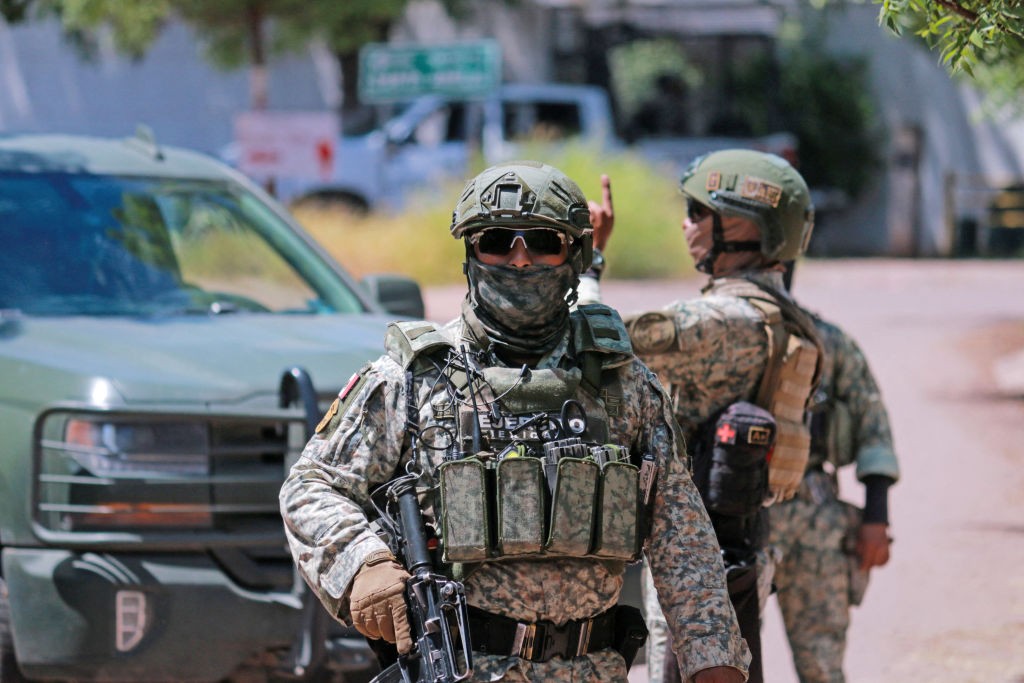
He described a ”full-scale infiltration” by these “paramilitary organizations with global supply chains, corporate-level logistics, and battlefield tactics.” This isn’t a localized problem; it’s a strategic expansion into U.S. territory.
A Shrine in the Heart of Los Angeles
Just weeks before Allen’s testimony,a DEA raid uncovered a luxurious CJNG safe house in downtown Los Angeles. located just blocks from the DEA’s Southern California office,the safe house was equipped with amenities like a pool table and polished floors.
Dominating the space was a floor-to-ceiling mural of El Mencho, depicted in a bulletproof vest and displaying the CJNG insignia. As Allen stated, it was “a shrine…right in the heart of america’s second-largest city.” The message was clear: the CJNG is establishing a foothold and asserting its presence.
This isn’t simply about drug trafficking anymore. The CJNG represents a new breed of criminal association – one that is sophisticated, adaptable, and increasingly bold in its operations.Understanding this evolving threat is crucial for national security professionals and the public alike.
To stay informed on these critical issues, explore expert-driven national security insights at The Cipher Brief. National Security is Everyone’s Business.


