
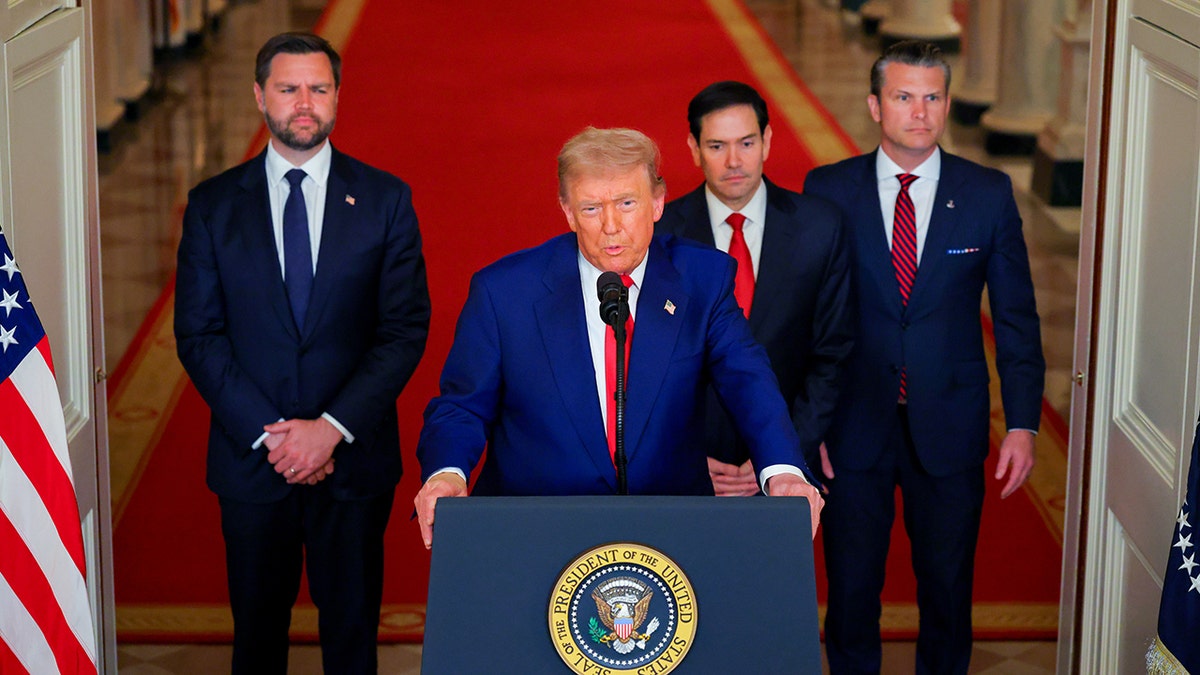
Congressional Democrats have raised a sharp alarm over recent comments made by President Donald Trump regarding Iran, sparking an urgent debate in Washington over the stability of the U.S. Executive branch and the potential for catastrophic escalation in the Middle East. The outcry follows a series of aggressive threats from the president, including posts on Truth Social that some lawmakers describe as “unhinged” and indicative of a collapse in mental faculty.
The tension reached a boiling point following a Tuesday morning post in which President Trump claimed that “a whole civilization will die tonight” unless Iran agreed to a deal reported by CNN. This rhetoric, combined with previous threats to target civilian infrastructure, has led dozens of congressional Democrats to call for the president’s immediate removal from office or impeachment to prevent what some fear could be a slide toward global conflict.
The controversy centers on the president’s ultimatum for Iran to reopen the Strait of Hormuz—the world’s most critical energy corridor—or face U.S. Military action. While the White House announced a two-week ceasefire on Tuesday evening, conditional on the reopening of the strait, critics argue that the volatile nature of the threats suggests the president is unfit for the duties of his office according to CNBC.
As the situation unfolds, an eclectic group of voices—including Democratic lawmakers, some conservative critics, and right-wing commentators—have begun calling for the invocation of the 25th Amendment. This constitutional mechanism allows for the removal of a president who is “unable to discharge the powers and duties of his office,” though such a move would require the support of a majority of the Cabinet and the vice president per CNN reporting.
The Escalation: ‘Power Plant Day’ and Civilian Threats
The current crisis is not an isolated incident but the culmination of a series of aggressive military decisions. On Feb. 28, President Trump ordered joint bombings of Iran despite internal warnings regarding retaliation and a lack of a clearly articulated rationale as detailed by Time. These actions included the assassination of dozens of Iranian leaders and strikes that appeared to target civilians and civilian sites.
Following these attacks, Iran retaliated by choking off the Strait of Hormuz, which led to a dramatic increase in energy prices globally. In response, the president took to social media on Easter Sunday to threaten further strikes. He posted that “Tuesday will be Power Plant Day, and Bridge Day, all wrapped up in one, in Iran,” and added, “Open the Fuckin’ Strait, you crazy bastards, or you’ll be living in Hell – JUST WATCH!” via Time.
These specific threats to bomb civilian power plants and bridges have been decried by critics as potential war crimes. The president had set a deadline of 8 p.m. E.T. On Tuesday for Iran to open the strait, creating a high-pressure window that left lawmakers fearing the potential apply of nuclear weapons, a possibility the White House has denied considering according to CNN.
Lawmakers Call for Removal via the 25th Amendment
The severity of the president’s rhetoric has shifted the conversation among Democrats from general criticism to active calls for removal. Rep. Alexandria Ocasio-Cortez, D-N.Y., explicitly linked the president’s comments to a threat of genocide, stating on X that “The President’s mental faculties are collapsing and cannot be trusted” per CNBC.
Sen. Chris Murphy (D, Conn.) echoed these concerns, suggesting that any member of the president’s Cabinet should be consulting constitutional lawyers about the 25th Amendment. Murphy described the president’s behavior as “completely, utterly unhinged,” noting that thousands had already been killed and thousands more were at risk via Time.
While the calls for removal are widespread among Democrats—including figures such as Illinois Gov. J.B. Pritzker—the legal threshold for the 25th Amendment is high. To successfully remove a president, the vice president and a majority of the Cabinet must agree that the president is unfit. Currently, Notice no indications that Vice President JD Vance or any Cabinet officials are considering such an action as reported by CNN.
Understanding the 25th Amendment Process
The 25th Amendment provides a legal framework for the transfer of power when a president is incapacitated. In the context of current calls for removal, the process would involve:

- Cabinet Initiation: The Vice President and a majority of the Cabinet (or a body designated by Congress) must notify the House of Representatives and the Senate in writing that the president is unable to discharge his duties.
- Transfer of Power: Upon such notification, the Vice President immediately assumes the role of Acting President.
- Dispute Resolution: If the president contests this, the Cabinet and Vice President have four days to determine if the president remains unable to serve, requiring a two-thirds vote in both the House and Senate to maintain the removal.
Bipartisan Concern and the Path to a Ceasefire
Though the push for the 25th Amendment is led primarily by Democrats, the alarm has extended to some conservatives and former Trump allies. While many Republicans have stopped short of calling for his removal, several have pushed back against the president’s rhetoric, expressing concern over the stability of the administration’s approach to the Iran war according to CNBC.
The immediate tension was partially defused just hours before the Tuesday 8 p.m. Deadline. The president announced he had agreed to a two-week ceasefire, though the agreement is strictly conditional on Tehran reopening the Strait of Hormuz via CNN. However, this announcement did not satisfy critics, who argue that the volatile nature of the negotiations and the threats of “civilization” ending demonstrate a dangerous pattern of leadership.
The geopolitical impact of this instability is significant. The choking of the Strait of Hormuz has already disrupted global energy markets, and the threat of striking civilian infrastructure—such as power plants—risks violating international humanitarian law as noted by Time. Israel’s own attacks on Iranian civil energy infrastructure, including the South Pars gas field and oil depots in Tehran, have added another layer of complexity to the region’s stability.
Summary of the Current Crisis
The situation remains precarious as the two-week ceasefire window begins. The primary focus for the international community now rests on whether Iran will comply with the demand to open the Strait of Hormuz and whether the U.S. Administration will maintain a stable diplomatic course or return to the rhetoric of total destruction.
The next critical checkpoint will be the expiration of the conditional two-week ceasefire. Observers and lawmakers will be monitoring for any further escalations or the official confirmation that the Strait of Hormuz has been fully reopened to international shipping.
World Today Journal encourages readers to share this report and join the conversation in the comments section regarding the constitutional implications of the 25th Amendment in modern governance.