
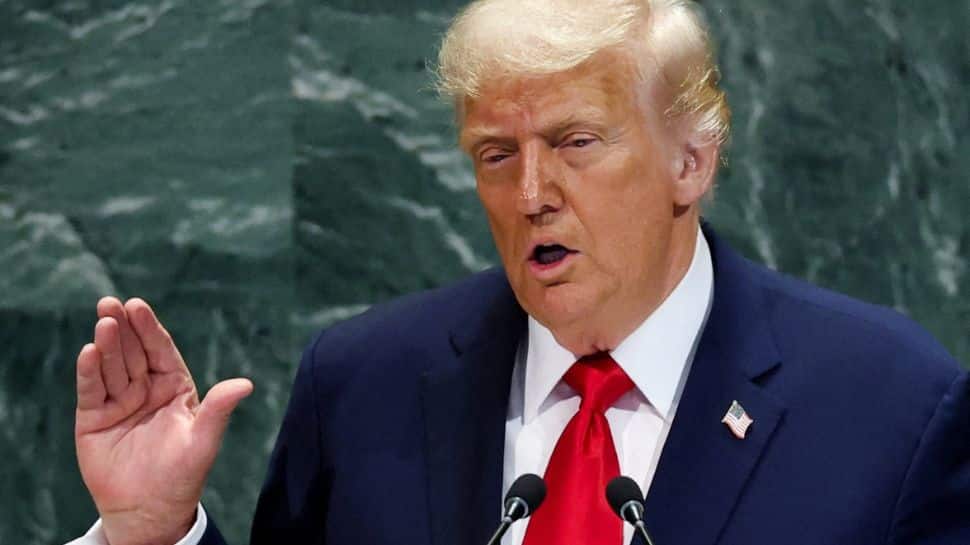
Recent unrest in Iran prompted a meaningful trade policy shift from the United States, as a considerable 25% tariff was announced on goods from nations continuing commercial relationships with the Islamic Republic. This decision, revealed on a social media platform, signals a firm stance against Iran and aims to exert economic pressure.
“Effective instantly, any Country doing business with the Islamic Republic of iran will pay a Tariff of 25% on any and all business being done with the United States of america. This Order is final and conclusive. Thank you for your attention to this matter!”
Impact of US Tariffs on Global Trade with Iran
The United States’ imposition of thes tariffs is poised to significantly affect India, a key trade partner to Iran. I’ve found that these kinds of broad-stroke tariffs often have unintended consequences, rippling through global supply chains and impacting businesses far beyond the intended target.
While China currently dominates Iran’s trade landscape, india maintains a crucial position as one of Tehran’s top commercial allies. This relationship is built on years of economic collaboration and diplomatic ties. Understanding the nuances of these relationships is vital for businesses navigating this evolving geopolitical climate.
Data from the Ministry of External Affairs indicates that India consistently ranks among the top five nations trading with Iran. India’s exports to Iran encompass essential goods like rice, tea, sugar, pharmaceuticals, man-made fibers, electrical machinery, and artificial jewelry. Conversely, India imports dry fruits, chemicals, and glassware from Iran, creating a balanced trade dynamic.
According to the Indian Embassy in Tehran, exports to Iran reached US$1.24 billion in the fiscal year 2024-25, while imports totaled US$0.44 billion. This resulted in a total bilateral trade volume of US$1.68 billion during that period. These figures highlight the substantial economic connection between the two countries.
Did You Know? Iran’s strategic location along key trade routes, including the International North-South Transport Corridor (INSTC), makes it a vital link for India’s access to Central Asian and European markets.
The implementation of a 25% tariff by the U.S. presents several challenges for Indian businesses. Companies involved in trade with Iran may face increased costs,potentially impacting their competitiveness. Furthermore, the uncertainty surrounding these tariffs could disrupt existing trade agreements and investment plans. Here’s what works best: businesses should proactively assess their exposure and explore choice sourcing options.
However, it’s important to note that the impact will likely vary across sectors. Industries heavily reliant on Iranian imports, such as pharmaceuticals and chemicals, could experience more significant disruptions. Conversely, sectors with diversified supply chains may be better positioned to absorb the impact.
Pro Tip: Diversifying your supply chain is always a good practice, but it’s especially crucial in times of geopolitical instability. Consider exploring alternative suppliers in other regions to mitigate risk.
Looking ahead, the situation remains fluid. The effectiveness of the U.S. tariffs will depend on the extent to wich other countries comply and the ability of Iran to find alternative trading partners. The long-term implications for india-Iran relations and the broader regional economy remain to be seen. The key to navigating this complex landscape is adaptability and a proactive approach to risk management.
| Trade Partner | Iran’s Ranking (as of 2024-25) | Bilateral Trade Volume (USD Billions)
Previous Article  Adelaide Writers’ Week Controversy: Author Axing & FalloutMinnesota Sues Feds Over ICE Practices | Immigration Legal Challenge  Related Posts
Global Phone Crime Network Cracked: TV Tonight’s InvestigationJanuary 13, 2026
Timothée Chalamet’s Relationship: A Complete Guide to His Partner ...January 13, 2026
Big Bass Splash 1000 Slot Review: New Pragmatic Play Fishing Adve ...January 13, 20261  2  3  4  5  |
|---|