
Beyond the Headlines: Deconstructing the Political Narratives of Recent Shootings
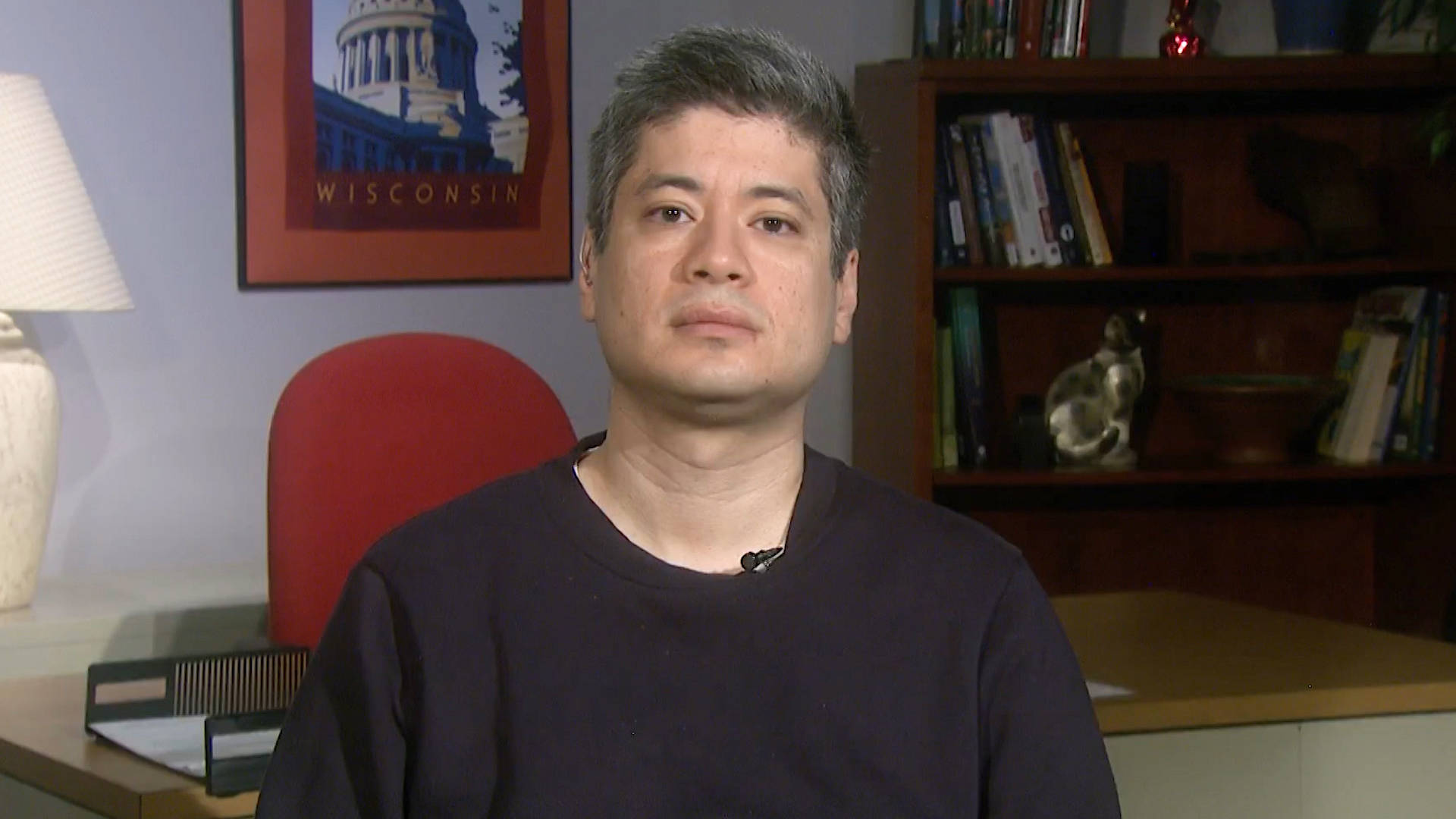
The immediate aftermath of tragic events often sees a rush to categorize perpetrators and assign motives, notably political ones. But what if the narrative is far more complex – and far less about traditional left-right divides? Recent investigations into two separate shooting incidents - one targeting an ICE facility, the othre a conservative activist – reveal a disturbing trend: a detachment from conventional politics fueled by online subcultures. This article delves into those findings, exploring the disconnect between media portrayals and the realities uncovered by investigative journalist ken Klippenstein.
The Rush to Label: A Misunderstanding of Online radicalization
Following the shooting at an ICE facility,initial reactions quickly labeled the perpetrator as a member of the ”radical left.” The evidence? A simple “anti-ICE” sentiment. However, as Klippenstein discovered, this interpretation didn’t resonate with those familiar with the language of progressive activism.
They pointed out that activists typically use stronger terms like ”abolish ICE,” suggesting a more nuanced and fervent ideology than simply being “anti-ICE.” This highlights a crucial point: assumptions based on superficial observations can lead to inaccurate and damaging conclusions.
The same pattern emerged after the attempted assassination of conservative activist Charlie Kirk. The perpetrator, Tyler Robinson, was immediatly framed as a product of the “violent, out-of-control culture of the left” by figures within the Trump administration and echoed in some major media outlets. But Klippenstein’s inquiry painted a very different picture.
Discord, Disengagement, and the Rise of “Terminally Online” Politics
Klippenstein’s research reveals a common thread: both shooters were deeply embedded in specific online subcultures, particularly on platforms like Discord. It’s crucial to understand what Discord is – essentially a WhatsApp for gamers, facilitating voice, video, and text dialog.
However,these spaces aren’t simply about gaming.They’ve become breeding grounds for unique forms of communication and, in certain specific cases, detached ideologies. Klippenstein accessed Robinson’s chat logs, finding a startling lack of overt political engagement.
* Only one post mentioned Donald Trump.
* One post referenced Joe Biden, related to the 2020 election.
This suggests that both individuals were largely disengaged from mainstream political discourse, a stark contrast to the narratives being pushed by media and political figures.
A Politics of Disgust: beyond the two-Party System
What was driving these individuals? Klippenstein argues that both shooters likely shared a common sentiment: a deep-seated disgust with both political parties. This isn’t a new phenomenon. Many Americans feel alienated from the increasingly polarized political landscape.
You might find yourself feeling similarly – frustrated with the constant bickering and lack of substantive progress. this sense of disillusionment, coupled with immersion in insular online communities, can create a dangerous cocktail.
The Washington media bubble, Klippenstein notes, frequently enough operates under the assumption that everyone aligns with one of two “teams.” This framework fails to capture the reality for many Americans who are either uninterested in or actively repulsed by traditional politics.
This is perhaps the most “normal” thing about these shooters: their disengagement. They weren’t driven by a coherent political ideology, but rather by something far more amorphous and unsettling.
Why This matters: Understanding the New Landscape of Radicalization
The implications of these findings are significant. We need to move beyond simplistic narratives and recognize that:
* Online subcultures are powerful forces. They can shape beliefs and provide echo chambers for extremist views.
* Political disengagement is a growing problem. apathy and disillusionment can create fertile ground for radicalization.
* Media narratives need to be more nuanced. Rushing to judgment based on incomplete facts can exacerbate the problem.
Klippenstein’s work serves as a crucial reminder that understanding the motivations behind these acts requires a deeper dive than simply assigning a political label. It demands a critical examination of the online spaces where these individuals lived and the complex factors that contributed to their actions.
Further Reading:
* Ken Klippenstein’s Articles - including “The ICE Shooter’s Politics.”
This analysis aims to provide a complete and nuanced understanding of the issues raised by Klippenstein’s reporting. It’s a call for more thoughtful





