
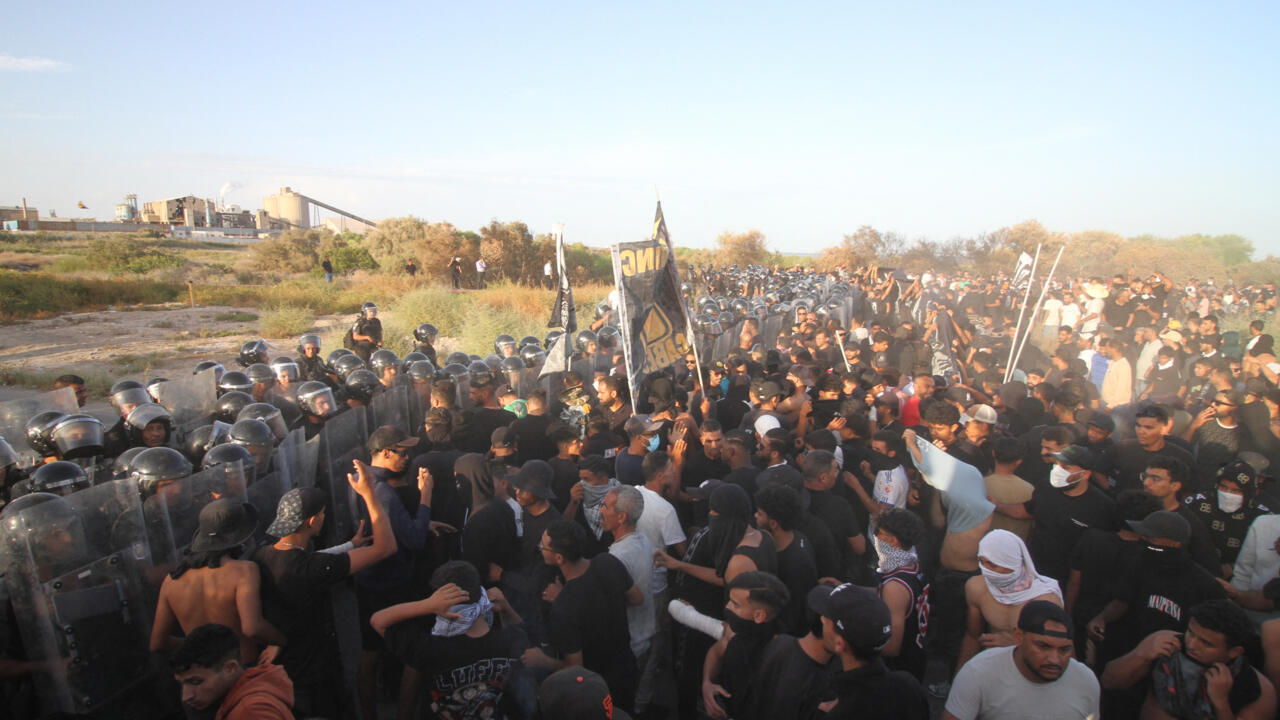
The Growing Crisis in Gabes: Understanding the Phosphate Factory Protests in Tunisia
Have you ever wondered about the hidden costs of fertilizer production? A wave of protests is currently sweeping through Southern Tunisia, specifically in the city of gabes, fueled by growing concerns over the health and environmental impact of a decades-old chemical factory. Thousands are demanding its closure,citing widespread illness and a deteriorating quality of life.This isn’t simply a local dispute; it’s a critical example of environmental justice and the challenges facing communities living near industrial facilities.
The Heart of the Matter: Phosphate Fertilizer and Public Health
The focal point of the unrest is the Compagnie Industrielle du Phosphate de Gabès (CIG), a factory producing phosphate fertilizers. Residents allege that emissions from the plant are directly responsible for a surge in health problems. Recent reports indicate nearly 200 people have been hospitalized in recent weeks, suffering from respiratory issues, skin conditions, and other ailments perhaps linked to the factory’s operations. This situation highlights the urgent need for environmental regulations and corporate accountability.
The factory, a significant employer in the region, has been operating for over 50 years.While providing jobs, its aging infrastructure and outdated pollution control technologies are now under intense scrutiny. Concerns aren’t new, but the recent spike in illnesses has ignited widespread public anger. The protests represent a culmination of years of frustration and a demand for a healthier future.
Understanding Phosphate Production & Its Risks
Phosphate is a crucial component in fertilizers, essential for global food production. Though, its extraction and processing can release harmful pollutants into the air and water. These include:
* Fluoride: A known toxin that can cause skeletal fluorosis and respiratory problems.
* Heavy Metals: Such as cadmium and arsenic,which accumulate in the surroundings and human body,leading to long-term health issues.
* Radon: A radioactive gas linked to lung cancer.
* Dust Particles: Contributing to respiratory illnesses and reduced air quality.
These pollutants pose significant risks to communities living nearby, especially those with pre-existing health conditions. The situation in Gabes underscores the importance of robust environmental monitoring and stringent emission standards.
Beyond Gabes: A Global Pattern of Industrial Pollution
The crisis in Gabes isn’t isolated. Similar conflicts are emerging worldwide as communities grapple with the negative consequences of industrial activity. A 2023 report by the World Health Institution estimates that approximately 99% of the world’s population breathes air that exceeds WHO air quality guidelines. This demonstrates the pervasive nature of air pollution and its impact on global health.
Furthermore, the demand for fertilizers is projected to increase with the growing global population, intensifying the pressure on phosphate mining and processing facilities. This necessitates a shift towards sustainable practices and responsible industrial waste management.
What Can Be done? A Path Forward for Gabes and Beyond
Addressing the situation in Gabes requires a multi-faceted approach. Here are some actionable steps:
- Self-reliant health Assessment: Conduct a extensive, independent health assessment of the affected population to accurately determine the extent of the health impacts.
- Modernization of infrastructure: invest in modernizing the CIG factory with state-of-the-art pollution control technologies.
- Strengthened Regulations: Implement and enforce stricter environmental regulations, including regular monitoring and transparent reporting of emissions.
- Community Engagement: Establish a platform for ongoing dialog between the factory, government officials, and local communities.
- Diversification of Economy: Explore opportunities to diversify the local economy, reducing reliance on the phosphate industry and creating alternative employment options.
These steps aren’t just relevant to Gabes; they offer a blueprint for addressing similar challenges in other regions facing industrial pollution. The concept of sustainable development must be central to any long-term solution.
Evergreen Insights: The Long-Term Implications of Industrial Pollution
The story of Gabes serves as a stark reminder of the long-term consequences of prioritizing economic growth over environmental and public health. Ignoring these issues


