Unlocking the Secrets of Human Resilience: How a Kenyan community Holds Clues to Surviving Extreme Environments
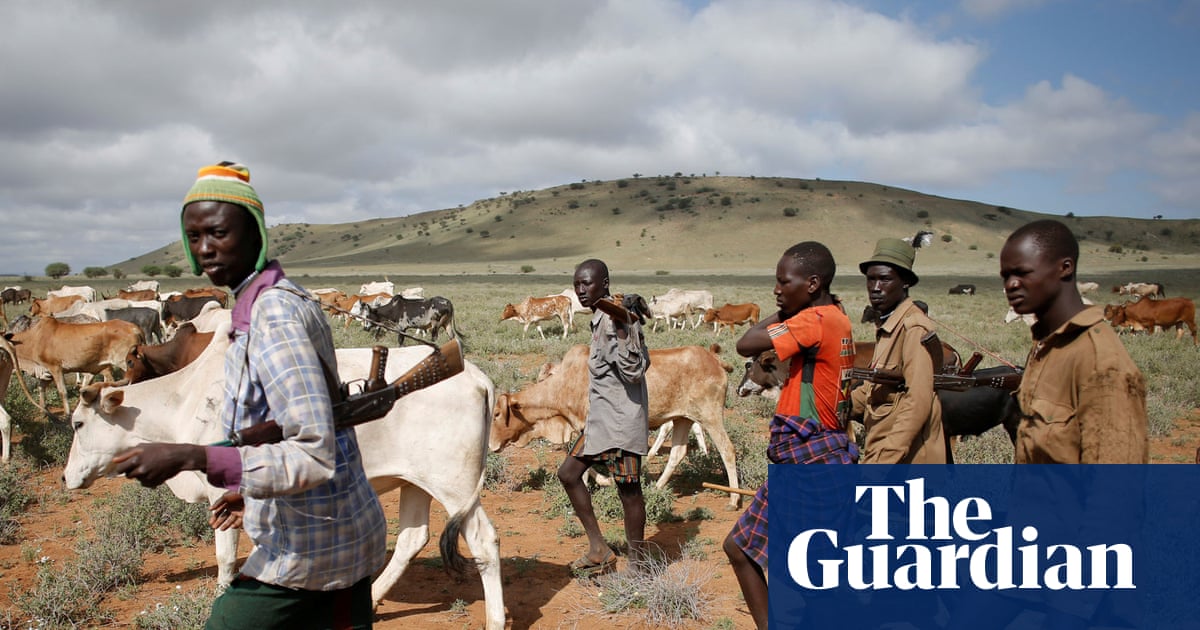
For generations, the Turkana people of Kenya have thrived in one of the planet’s most unforgiving landscapes. Now,groundbreaking research reveals a remarkable genetic adaptation that may explain their resilience – and offer insights into human survival in a warming world. This isn’t just a scientific revelation; it’s a testament to the power of collaborative research and the wisdom held within indigenous communities.
A Decade of Collaboration: Bridging Science and Tradition
This study wasn’t conducted on the Turkana, but wiht them. Researchers embarked on a nearly decade-long journey of co-production of knowledge, blending cutting-edge genomic science with the invaluable ecological and anthropological expertise of the Turkana people themselves. Conversations unfolded not in sterile labs, but around campfires, discussing health, diet, and the changes impacting their way of life.
This collaborative approach proved essential. It allowed scientists to connect genetic findings to the realities of daily life and the ingenious survival strategies developed over centuries.
The Genetic Key: Adapting to Aridity
researchers have identified a genetic variation linked to efficient water conservation within the Turkana population. Specifically, this variation impacts kidney function, allowing individuals to concentrate urine more effectively and minimize water loss in the harsh, arid climate. This adaptation is particularly crucial in a region where access to water is a constant challenge.
Consider these key points:
* extreme Habitat: The Turkana region experiences intense heat and prolonged droughts.
* Efficient Kidneys: The identified genetic variation optimizes kidney function for water retention.
* Survival Advantage: This adaptation provides a meaningful survival advantage in a water-scarce environment.
Beyond the Turkana: Implications for East Africa and Beyond
This discovery isn’t isolated to the Turkana. Scientists believe other pastoralist communities across East Africa, facing similar environmental pressures, likely share this adaptation. These include the Rendille, Samburu, Borana, Merille, Karamojong, and Toposa peoples.
This suggests a broader pattern of genetic adaptation to arid environments within the region. It highlights the remarkable ability of human populations to evolve in response to environmental challenges.
Lessons in Human Evolution and Climate Change
The Turkana’s story offers a powerful lesson in human evolution. It demonstrates how climate continues to shape our biology and health. Understanding these adaptations is increasingly vital as the world grapples with the impacts of climate change.
Dr. Dino Martins, director of the Turkana Basin Institute, emphasizes the importance of this research. He notes that it adds a crucial piece to our understanding of how humans have evolved to thrive in challenging conditions.
Sharing Knowledge and Empowering the Community
The research team is committed to ensuring the benefits of this discovery reach the Turkana community. They are developing a podcast in the Turkana language to disseminate the study’s findings.
Furthermore, they plan to offer practical health advice tailored to the community’s rapidly changing lifestyle. This includes addressing the health implications of shifting diets and increased exposure to modern influences.
Ultimately, this research isn’t just about unlocking genetic secrets. it’s about recognizing the inherent knowledge within communities like the Turkana and empowering them to navigate the challenges of a changing world. It’s a powerful example of how science,when conducted ethically and collaboratively,can contribute to a more resilient and equitable future for all.