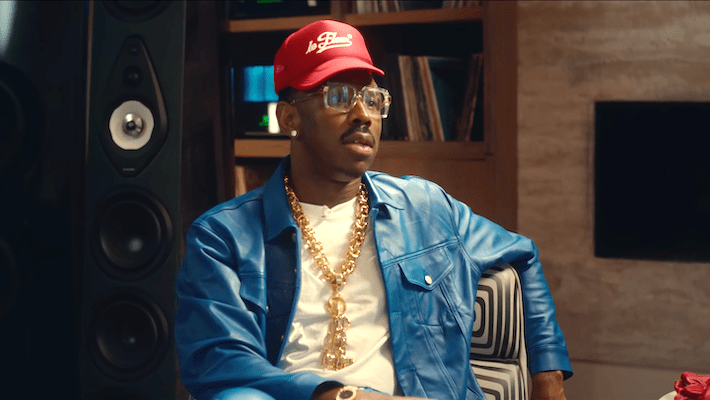
Tyler, The Creator’s “Don’t Tap The Glass“: A Return to Playfulness and a Deep Dive into Dance Music influences
Tyler, The Creator‘s musical evolution has always been captivating. Following the introspective and emotionally weighty themes explored in his critically acclaimed album, Chromakopia, his latest release, Don’t Tap The Glass, marks a purposeful shift. But what prompted this change, and what sonic landscapes inspired this new direction? Let’s explore the creative forces behind Tyler’s return to “being silly again.”
From Heavy Reflection to Lighthearted expression
chromakopia wasn’t afraid to tackle complex subjects. Tyler delved into the anxieties of fame, his personal relationship with his identity (specifically his hair), and deeply personal family dynamics. He even touched upon the possibility of fatherhood. This level of vulnerability,while artistically rewarding,took its toll.
As Tyler explained to Zane Lowe on apple Music 1, the weight of Chromakopia led him to crave a different creative outlet. He simply “wanted to be silly again.” this desire manifested in the looser, more playful sound of Don’t Tap The Glass. He wasn’t dismissing the depth of his previous work, but rather seeking balance.
“I just want to be fun and say outrageous sht,” Tyler stated. “Say sht that… inside jokes that me and my friends laugh at, and just talk big fly sht.” this goal – pure, unadulterated fun – became the driving force behind the album’s creation.
The Diverse Roots of Don’t Tap The Glass‘s Sound
While not explicitly labeling it a “dance album,” Tyler intentionally crafted music that inspires movement. He wanted to create tracks that he would want to dance to, drawing inspiration from a wide spectrum of dance music history and regional scenes.
This isn’t about adhering to genre constraints, but rather about celebrating the energy and spirit of various dance traditions. Tyler breaks down some key influences:
New Orleans Bounce: The track “Don’t Tap That Glass” directly pays homage to the vibrant bounce music scene of New Orleans.
Atlanta & Miami Bass: “Don’t You Worry, Baby” incorporates the signature sounds of Atlanta and Miami bass music. UK Jungle: “I’ll Take Care of you” draws heavily from the fast-paced, energetic rhythms of UK jungle.
Tyler acknowledges that these influences might not be immediately recognizable to everyone. However, he emphasizes that these are, fundamentally, forms of dance music – irrespective of whether they fit neatly into conventional categories. He’s inviting listeners to explore and connect with the music on their own terms.
Ultimately, don’t Tap The Glass represents Tyler, The Creator’s artistic freedom and his willingness to experiment. Its a testament to his growth as an artist and his ability to seamlessly blend personal expression with a deep thankfulness for musical history.
Evergreen Insights: Tyler,The Creator’s Artistic Journey
Tyler,The Creator’s career is a masterclass in artistic evolution. From the provocative and unconventional sounds of Goblin to the Grammy-winning introspection of IGOR and the complex narratives of Chromakopia, he consistently challenges expectations.
His ability to reinvent himself while maintaining a distinct artistic voice is remarkable. He’s not afraid to explore vulnerability, experiment with different genres, and push the boundaries of hip-hop. This willingness to take risks and embrace change is what has solidified his position as one of the most innovative and influential artists of his generation.You can see this evolution reflected in his production style, lyrical content, and overall aesthetic.
Frequently Asked Questions About Tyler, The Creator & Don’t Tap The Glass
Q: What is the main difference between Chromakopia and Don’t Tap The Glass?
A: Chromakopia was a deeply personal and introspective album, exploring heavy themes. Don’t Tap The Glass represents a deliberate shift towards a more playful and lighthearted sound, prioritizing fun and experimentation.
Q: What genres influenced the sound of Don’t Tap The Glass?
A: The album draws inspiration from a diverse range of dance music genres, including New Orleans Bounce